
The guides are split into six sections: the city of Catania (where most stays happen), short escapes you can do in a day, full Sicily itineraries that use Catania as a base, a month-by-month overview of when to come, a dedicated take on the Aeolian Islands, and the practical travel tips to sort before you go. Each one focuses on a single angle — one neighbourhood, one trip length, one route, one month, one archipelago, one pre-trip checklist — so it’s quicker to land on the answer you actually need. Jump to a section from the navigation on the side, or read on.
Catania
The city itself — neighbourhoods worth a wander, where to eat without queueing, where to sleep, the beaches you can reach without leaving city limits, where to park. Start here if Catania is the trip; come back to it as the daytime layer if you’re heading further.
Most visitors base themselves between Via Etnea and the seafront: cafés, the fish market, Piazza Duomo and the main bus stops are all within a 10-minute walk of each other. The historic centre is compact enough that you don’t need transport for daily life — taxis and Etna day-trips happen at the edges. Two practical things to plan around: most shops shut between 13:30 and 16:30, and the headline sights (Duomo, Monastero dei Benedettini, Teatro Romano) each want roughly a half-day if you read the labels.
Use the guides below to pick a neighbourhood, find a place to eat that isn’t a tourist trap, or work out how to get from the airport without overpaying. If you’re undecided where to stay, the neighbourhood guide is the right place to begin.
 Catania
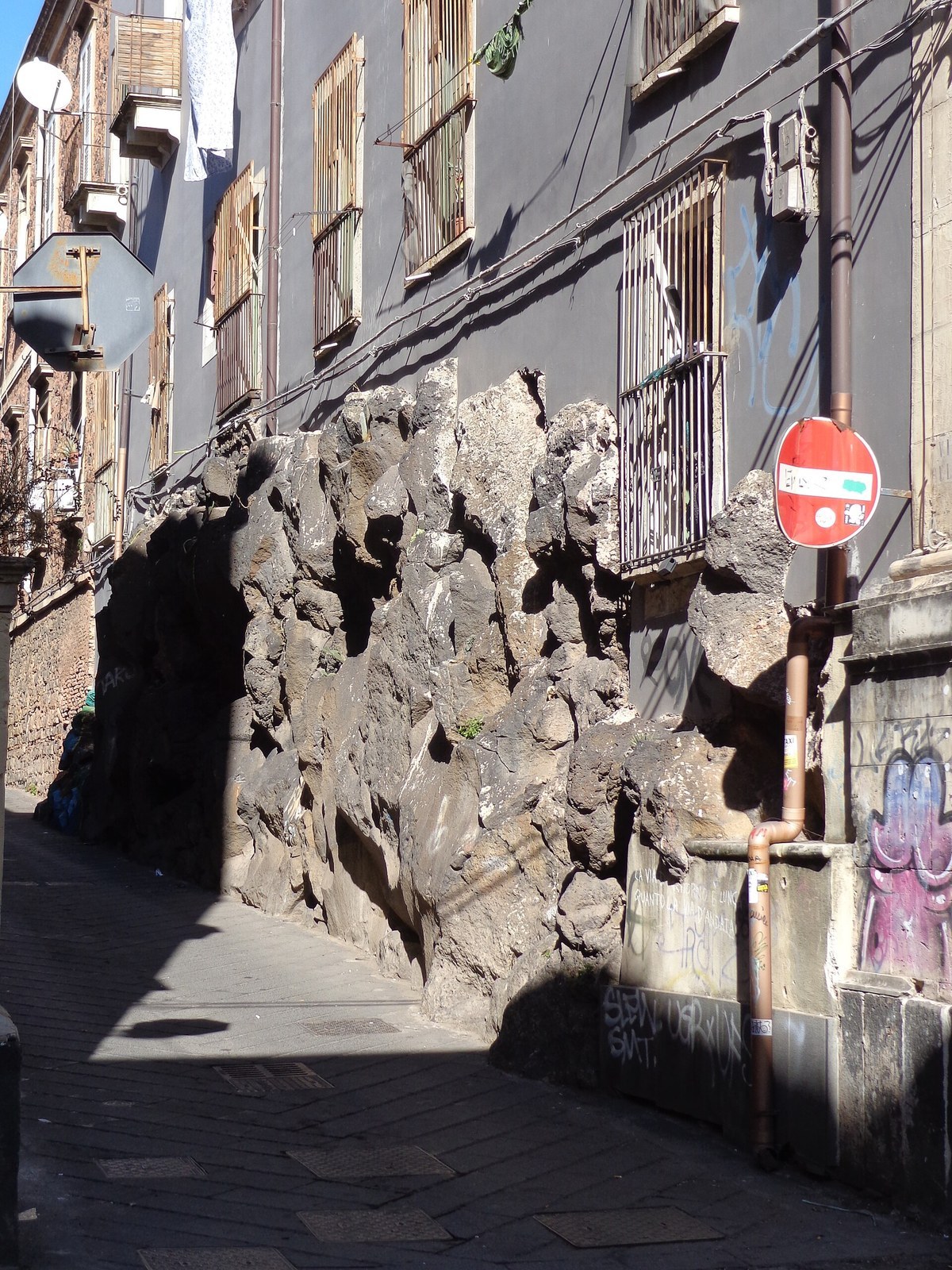
How to Get Around Catania: Local Transport Guide (2026)
Complete guide to getting around Catania without a car: metro, AMTS buses, ALIBUS airport shuttle, taxis, walking tips.
 Catania
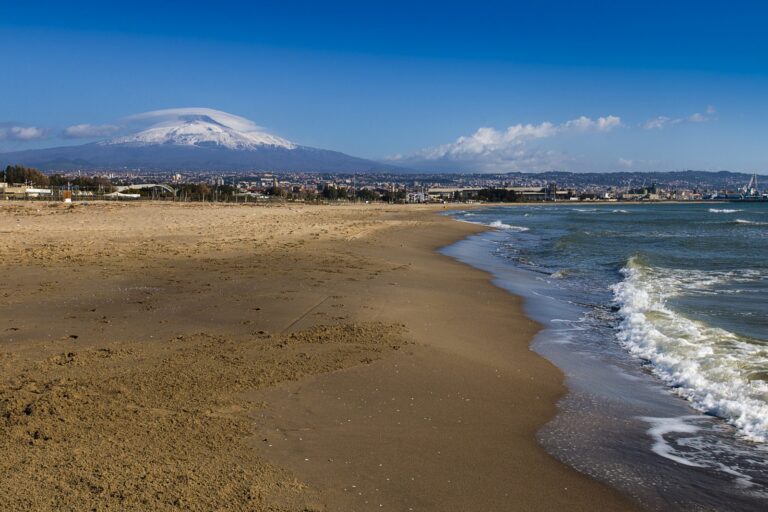
Best Beaches near Catania, Sicily: 12 picks 2026
Best beaches near Catania, Sicily: La Playa golden sand, the rocky Cyclops Riviera, Acireale villages, the Simeto Oasis. Map, transport and FAQs.
 Catania
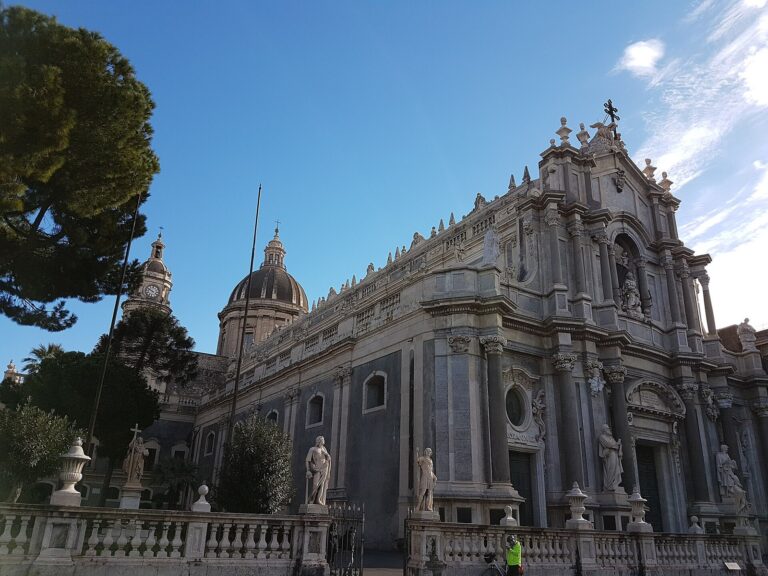
Things to Do in Catania: 10 Must-See Sights in Sicily
Local guide to Catania: 13 must-see sights, Mount Etna day trips, Baroque heart, fish market, pasta alla Norma, and honest tips from people who live here.
 Catania
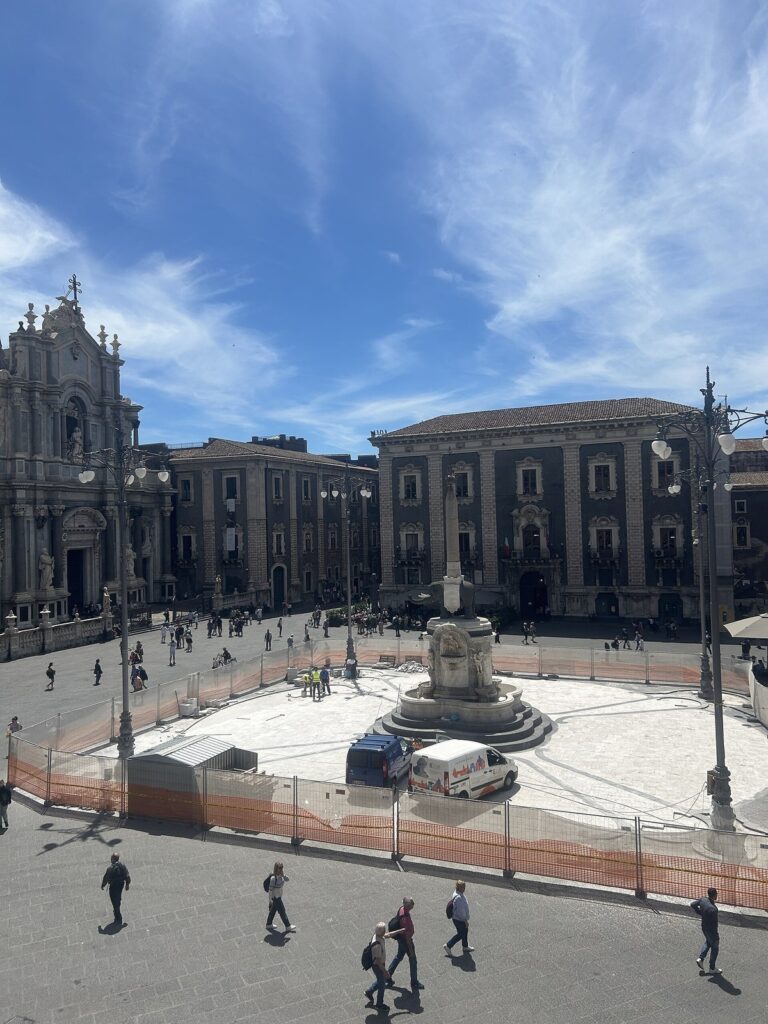
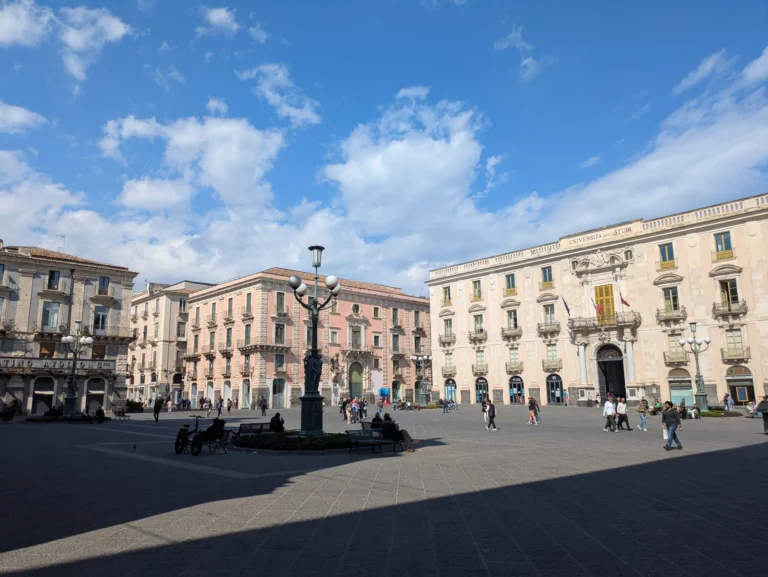
Catania Old Town: A Walking Guide to the Baroque Historic Centre (Sicily)
Walk Catania's UNESCO old town in 2-3 hours: Piazza del Duomo, Via dei Crociferi's four baroque churches, La Pescheria, Castello Ursino. A local's route with map.
 Catania
What to Do in Catania: 2026 Local Action Guide
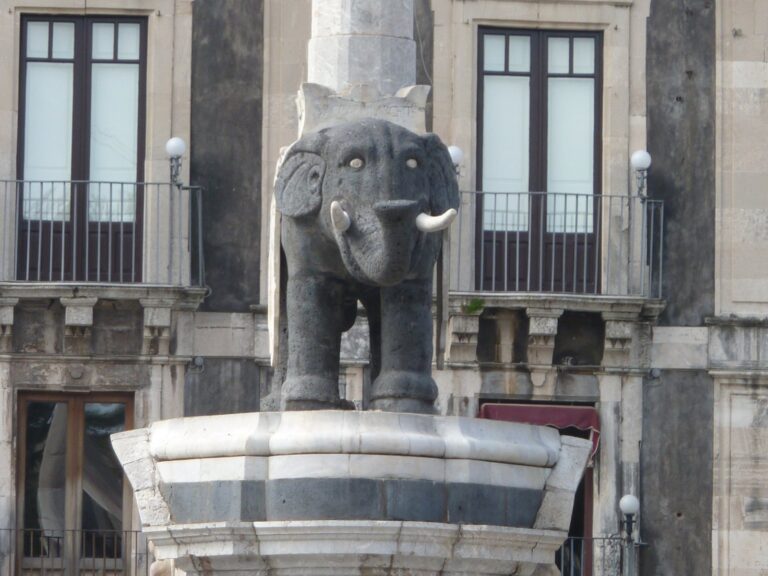
What to do in Catania, by locals: 12 essentials, what to do in a day, free things, at night, plus an old town walk and the Mount Etna day-trip.
 Catania
Where to Stay in Catania: the 5 Best Neighbourhoods for Every Traveller (2026 Update)
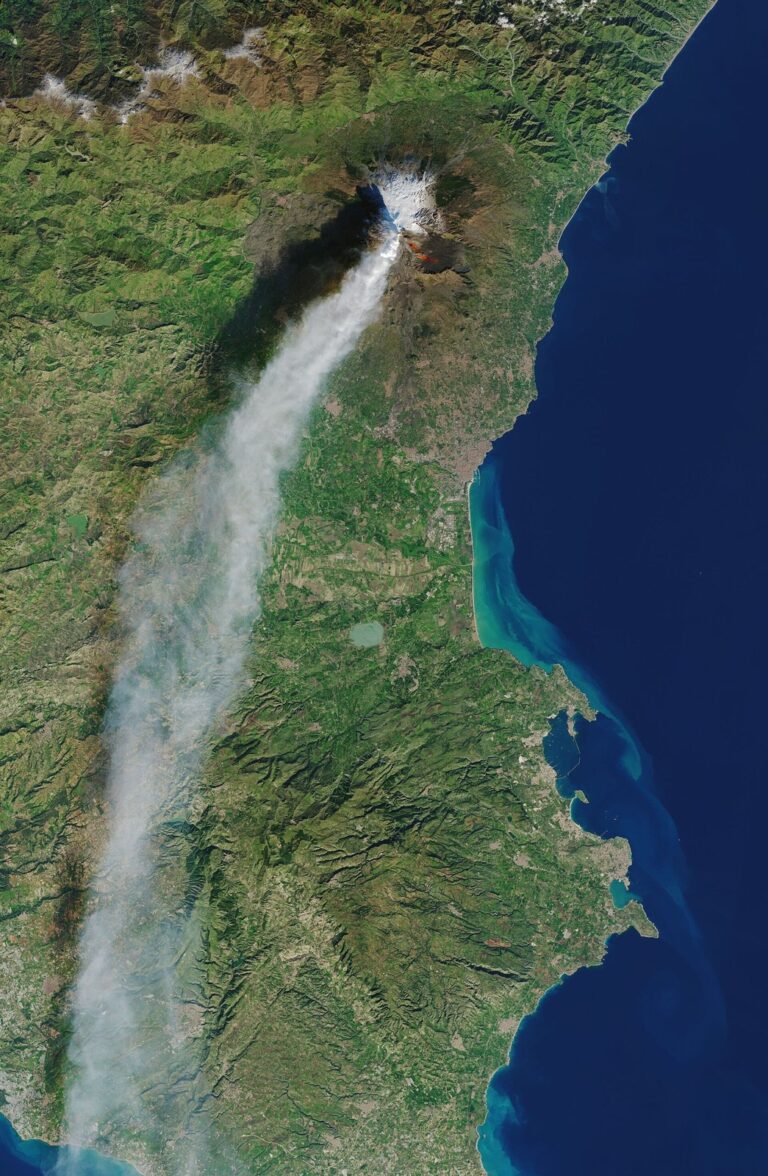
The 5 best neighbourhoods to stay in Catania — centro storico, Via Etnea, Borgo-Sanzio, Ognina and Aci Trezza — with pros, cons, ZTL tips and local advice.
 Catania
Catania Must-See: Top Sights, Attractions & Landmarks (Sicily)
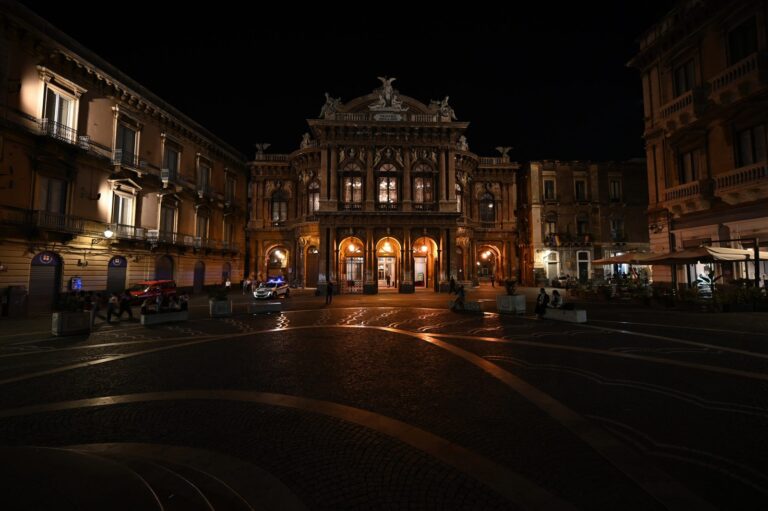
The essential guide to Catania must-see sights: baroque piazzas, UNESCO churches, castles, markets and views. What to see in half a day, a day or more.
 Catania
Catania Nightlife: Bars, Clubs & Movida Areas (2026)
Catania nightlife guide: best bars, live-music clubs, wine bars and movida piazzas. Where locals drink, when to arrive, how to get home safely.
 Catania
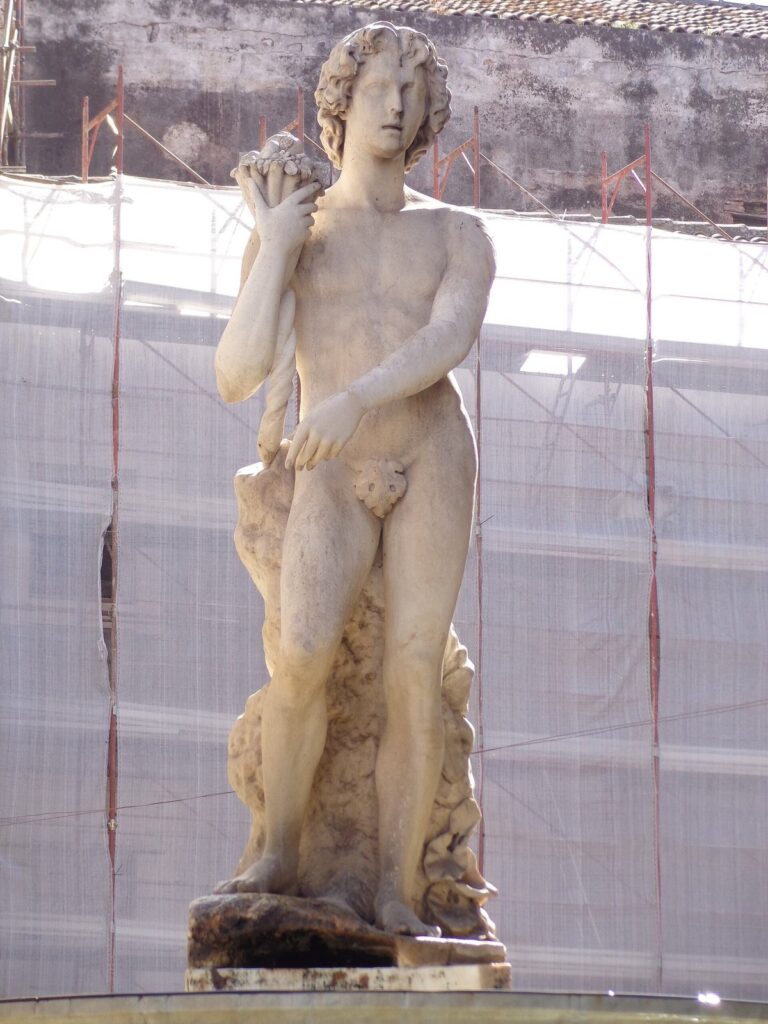
Churches Near Castello Ursino: San Sebastiano & Santa Chiara
Two churches sit directly north and northeast of Castello Ursino in Catania: San Sebastiano on Piazza Federico di Svevia and Santa Chiara on Via Garibaldi. Walking distances, opening tips, and how the two fit into the…
 Catania
Hidden Gems in Catania: 15 Unusual Places Locals Love
Discover 15 hidden gems in Catania beyond the tourist trail: underground rivers, volcanic beaches, secret viewpoints. A local insider guide.
 Catania
Best Restaurants in Catania: A Local’s Guide 2026
Where to eat in Catania, picked by a local: 14 restaurants by occasion and budget, from Michelin-starred Sapio to family trattorias near La Pescheria.
 Catania
How to Get to Mount Etna from Catania (2026)
Everything you need to know to reach Mount Etna from Catania: AST bus timetable, cable car prices, driving route, guided tours, and a sample day trip itinerary.
 Catania
Best area to stay in Sicily (why Catania is the smartest base for East Sicily)
We live in Catania and this is the honest answer we give our guests. A measurable framework, realistic driving times, and why a single base almost always beats multi-base hopping.
 Catania
What to Wear on Mount Etna
What to wear on Mount Etna in every season: layers, shoes, jacket, sun protection, winter gear, and what not to bring.
 Catania
Hiking Mount Etna: Routes, Costs & 2,800 m Rule (2026)
Plan your Mount Etna hike: north vs south routes, cable car prices, AST bus times, when you need a guide above 2,800 m, and what to pack. Updated 2026.
 Catania
Where to Park in Catania: ZTL Rules, Street Parking & Best Garages
A local's guide to parking in Catania: ZTL restricted zones explained, blue-stripe rates, best garages near the centre, and which car park to choose for your itinerary.
 Catania
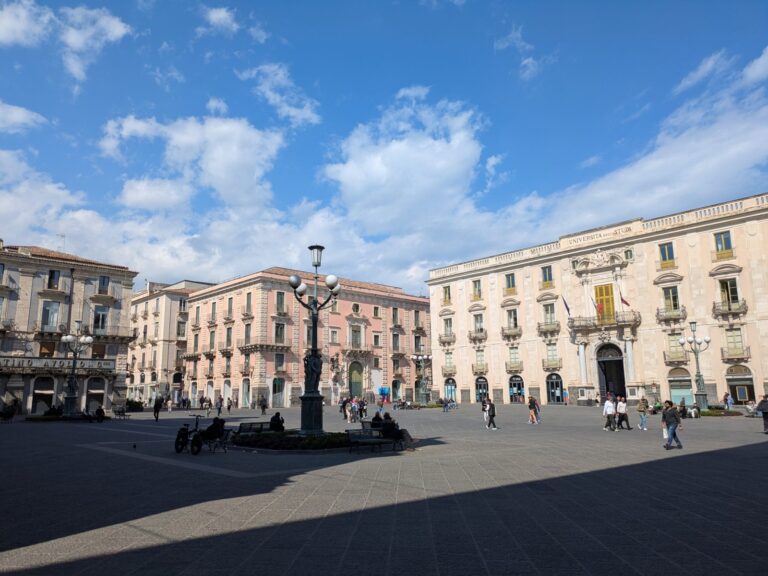
Catania Tourism: Everything You Need to Know Before Visiting Sicily’s Baroque City
Everything you need to know before visiting Catania, Sicily. What to see, eat, how to get around, best time to visit, safety tips, and Palermo vs Catania comparison.
 Catania
Catania Bed and Breakfast: Areas, Prices, Tips (2026)
Pick the right Catania bed and breakfast: best areas, price tiers, what to expect from a Sicilian host, and tips from a local Catania apartment owner.
 Catania
Catania Holiday 2026: Sights, Etna & Where to Stay
Plan a Catania holiday: Sicily's baroque city on Etna's slopes. Sights, old town, day trips, beaches, weather, and where to stay.
 Catania
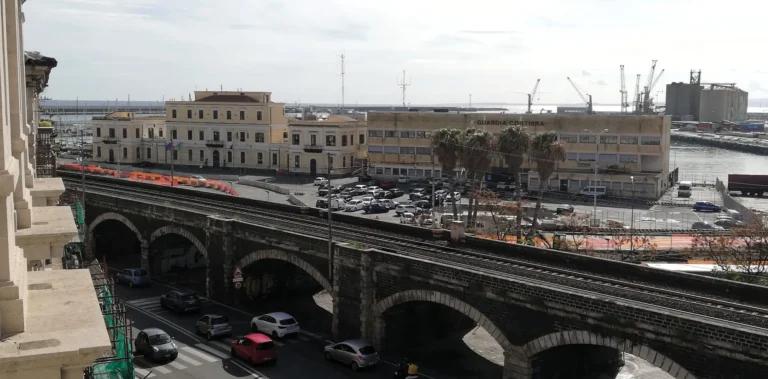
Catania Cruise Port 2026: Shore Excursions & Tips
Catania cruise port guide: walking time to Piazza Duomo, shore excursions to Etna and Taormina, costs, practical tips and what to do in 4 to 9 hours.
 Catania
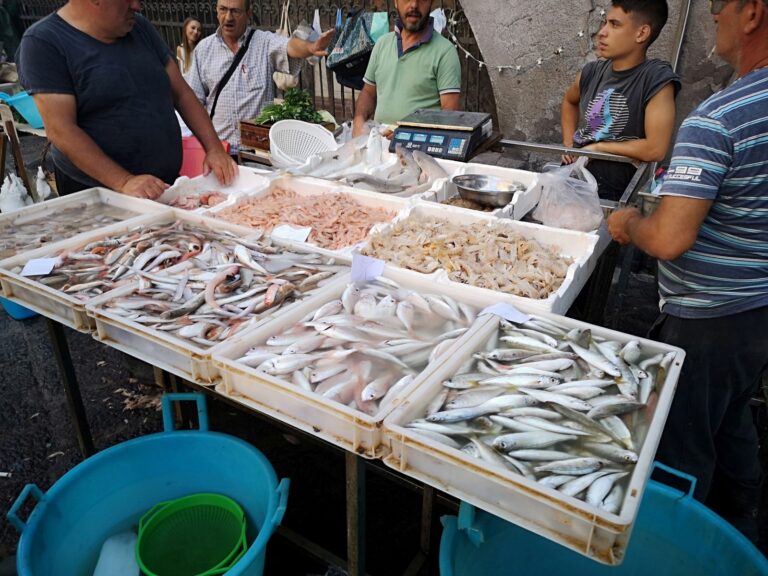
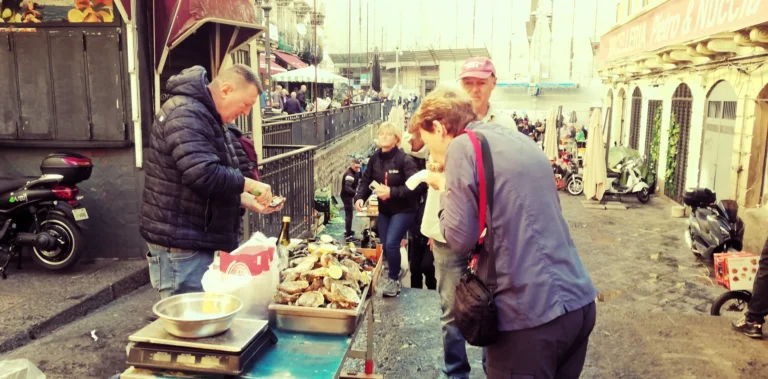
Catania Fish Market (La Pescheria): A 2026 Local Guide
La Pescheria, the Catania fish market: opening times, Sunday closure, what to see, photo etiquette, the Stanley Tucci angle and where to eat right after.
 Catania
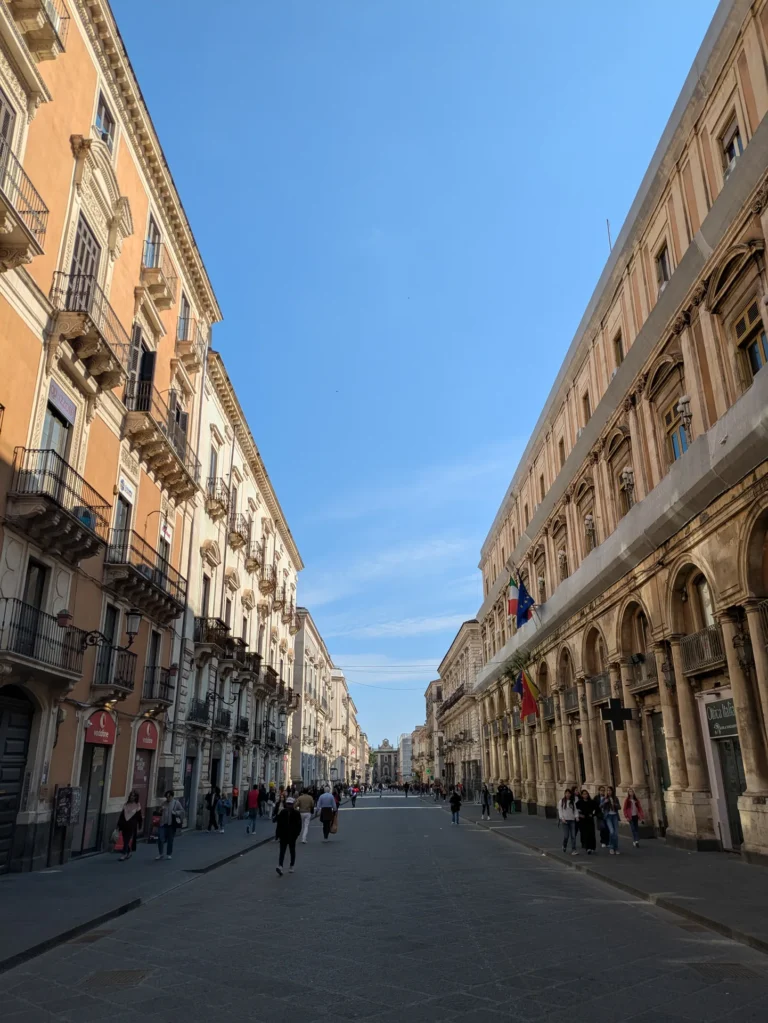
Catania with a Baby: A Calm, Practical City Guide
A practical local guide to visiting Catania with a baby, covering pushchairs, carriers, heat, feeding, transport, gentle sightseeing and the best base for slower family days.
 Catania
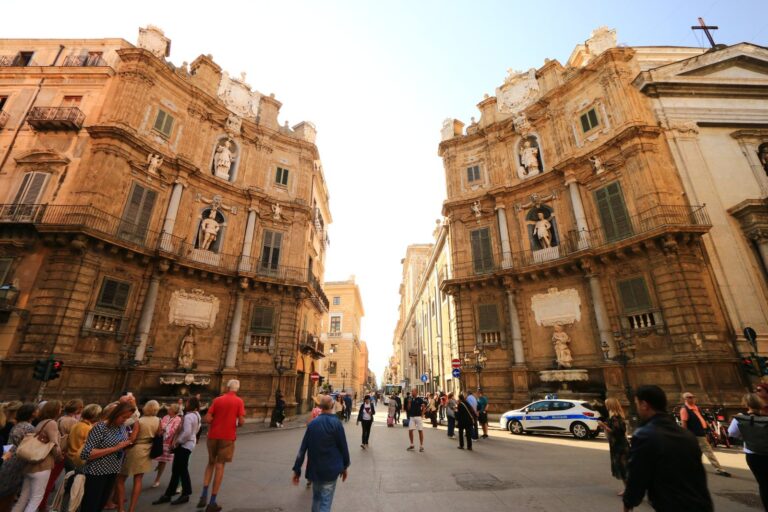
Catania or Palermo: Which to Visit (2026)
An honest, side-by-side comparison from a Catania-based local: vibe, food, beaches, day trips, where to stay, and which Sicilian city suits you best.
 Catania
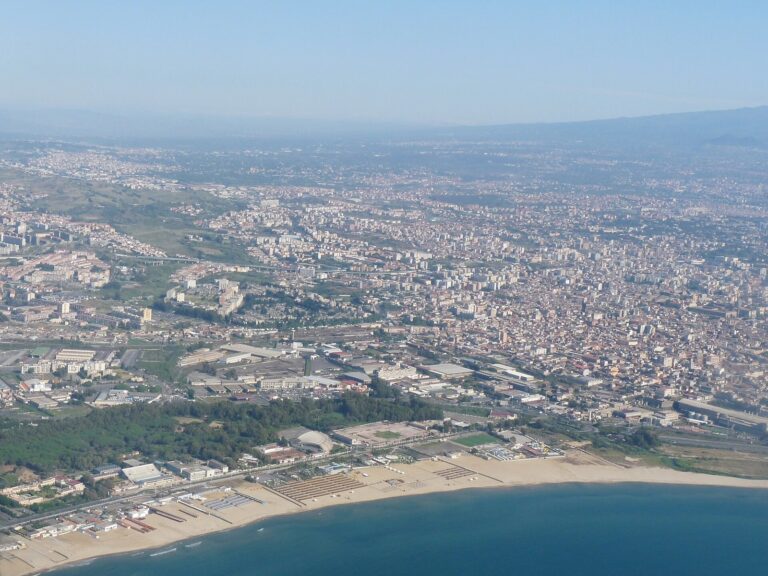
Where Is Catania? Map, History & Travel Guide to Sicily’s Volcanic City
Catania sits on Sicily's east coast at the foot of Mount Etna. Location map, 2,700-year history, how to get there, and what makes this city worth visiting.
 Catania
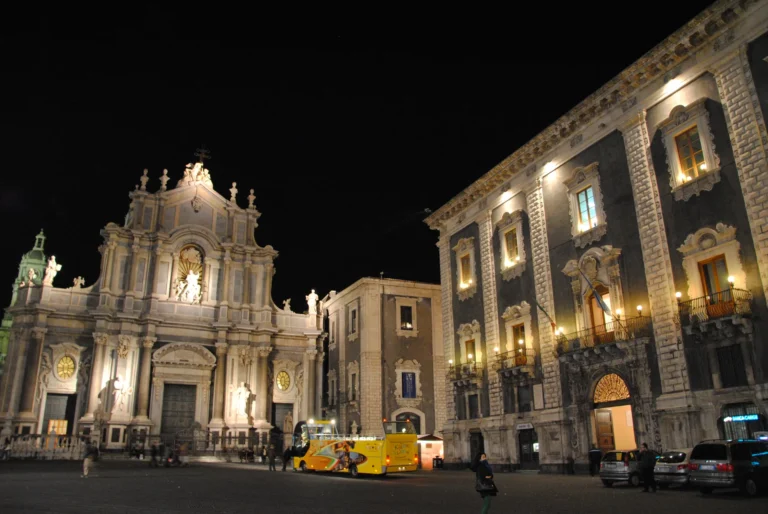
Is Catania Safe? Honest 2026 Guide for Tourists
Is Catania safe? Yes, for tourists with standard precautions. Honest local guide: safe areas, places to avoid at night, scams and crime stats vs other Italian cities.
 Catania
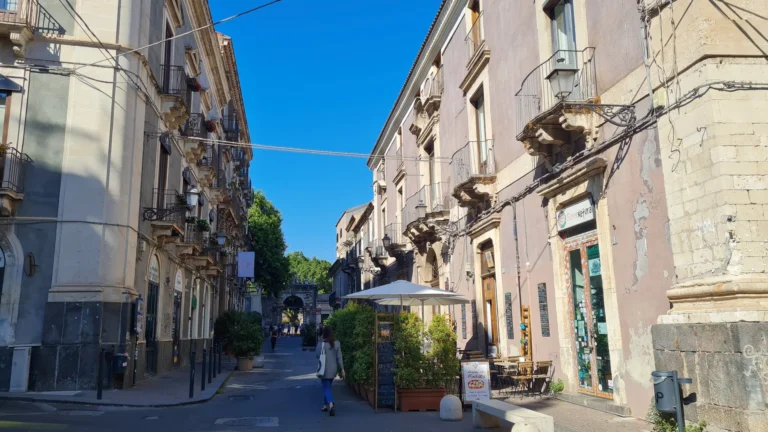
Is Catania Worth Visiting? Honest 2026 Local Take
Is Catania worth visiting? Yes -- if you want authentic Sicily, not a polished postcard. Honest local guide: reasons to go, who should skip, days needed, cost.
Taormina & day trips
For the days you head out of the city — Taormina itself, the day-trip shortlist, and the quickest way up the coast from the airport. Out for breakfast, back in time for dinner.
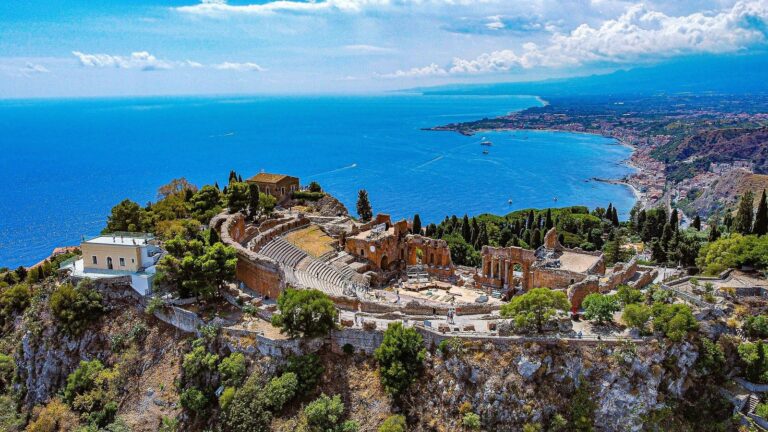
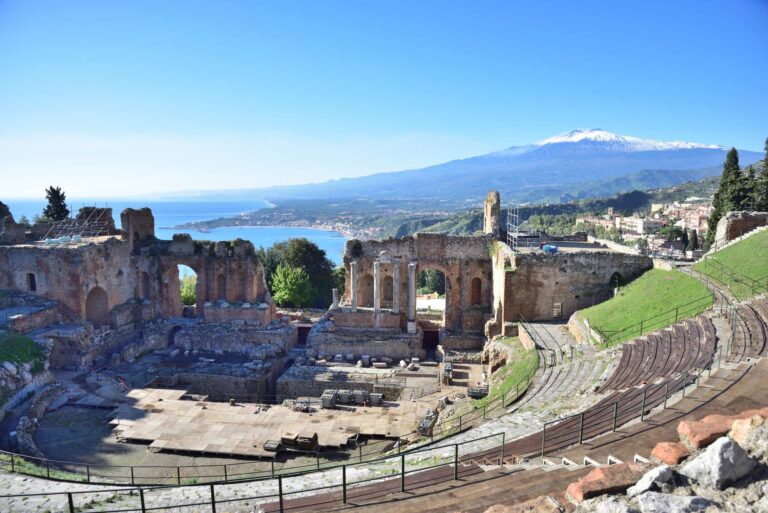
Taormina is the most photographed town in eastern Sicily for a reason: cliffside Greek theatre, the Ionian sea below, Etna behind. It’s also a 50-minute train ride from Catania Centrale (around €5 each way) — cheaper and often faster than driving in summer, when the SS114 clogs up and parking in town is scarce. Other reachable-in-a-day stops from Catania: Syracuse and Ortigia south, the Etna craters west, Acireale and the Riviera dei Ciclopi just up the coast. None of them need an overnight unless you actively want one.
Use the guides below to plan a day out: how long each trip really takes, what to skip in peak season, and which of the smaller stops (Castelmola, Savoca, Giardini-Naxos) are worth detouring for.
Read the full Taormina & day-trips guide →
 Day trips
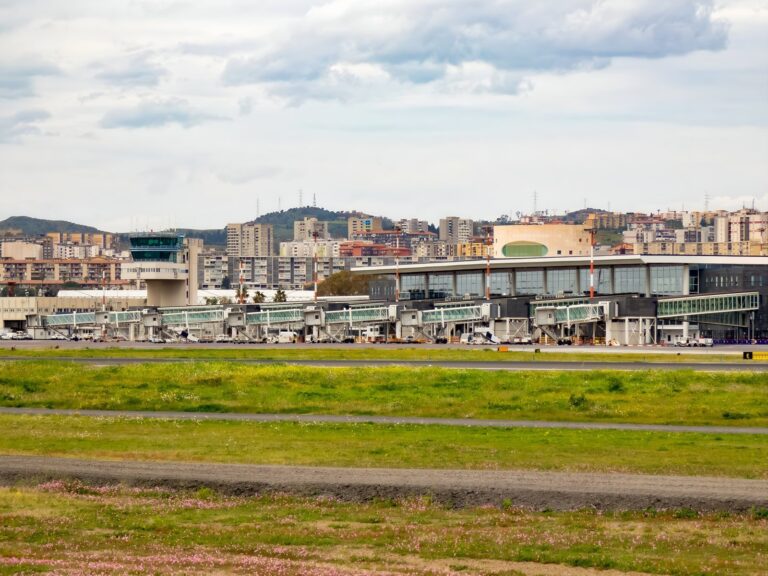
How to Get from Catania Airport to Taormina (and Back)
Bus €7, train €8, taxi €90, private transfer €90–115. Compare all 5 ways from Catania airport to Taormina with 2026 prices, times and insider tips.
 Day trips
Where to Stay in Taormina, Sicily: Best Areas 2026
The 5 best areas to stay in Taormina — centre, Mazzarò, Giardini Naxos, Letojanni and Castelmola — with pros, cons, ZTL tips and a map by a local.
 Day trips
Taormina to Mount Etna: Tours, Transport & Tips (2026)
All ways to reach Mount Etna from Taormina: guided tours from €69, by car (1h15), AST bus, train+bus, taxi. Compare prices, see the cable car, plan your day trip.
 Day trips
Things to Do in Taormina, Sicily: What’s Worth Your Time (and What Isn’t)
A local’s guide to Taormina: the 12 best things to do, beaches, food, costs, mistakes to avoid, and a one-day itinerary from our base in Catania.
Sicily itineraries
Route plans for travellers staying longer — short trips and long ones, across eastern Sicily, plus the honeymoon and beach-summer variants. Each one starts from Catania or passes through, so the city stays the home base.
Sicily is bigger than it looks on a map: Catania to Palermo is three hours by car, Catania to Marsala almost four. The classic mistake is to pack every corner into a week and spend half the trip behind the wheel. Eastern Sicily on its own — Catania, Etna, Taormina, Syracuse, the Val di Noto baroque towns — comfortably fills 5 to 7 days without rushing. Add Palermo, Cefalù or the Aeolians only when you have 10+ days and are willing to move base mid-trip. Trains cover the east coast well; once you go inland or west, a rental car is hard to avoid.
Use the guides below to pick the right length for your trip, and to see which variants make sense in summer versus shoulder season. Honeymoon and beach-focused routes are filed here too.
Read the full Itineraries guide →
 Itineraries
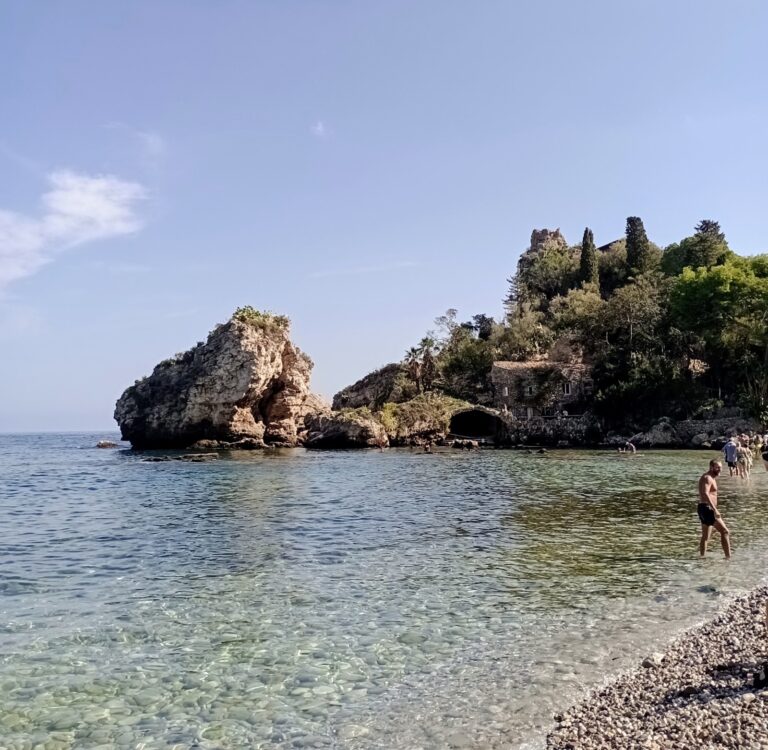
Sicily in October: Weather, Events & Where to Stay
Complete 2026 guide to Sicily in October: 24°C average, sea 22-23°C, harvest festivals, and 30-40% shoulder-season savings.
 Itineraries
Sicily or Greece: Which Is Better?
A practical Sicily vs Greece comparison for travellers choosing one Mediterranean trip, with clear verdicts by beach style, food, culture, budget and logistics.
 Itineraries
Sicily Travel Guide 2026: Where to Go, When to Visit, and How to Plan Your Trip
Plan your Sicily trip with our complete 2026 travel guide: best time to visit, where to go by region, how long to stay, getting around, and where to base in Catania.
 Itineraries
Day Trips from Catania: 10 Best Excursions (2026)
From Catania, 10 day trips by train, bus, or car: Etna, Taormina, Syracuse, Noto, Modica, Ragusa, Aci Trezza, Caltagirone, Alcantara, Villa Romana del Casale.
 Itineraries
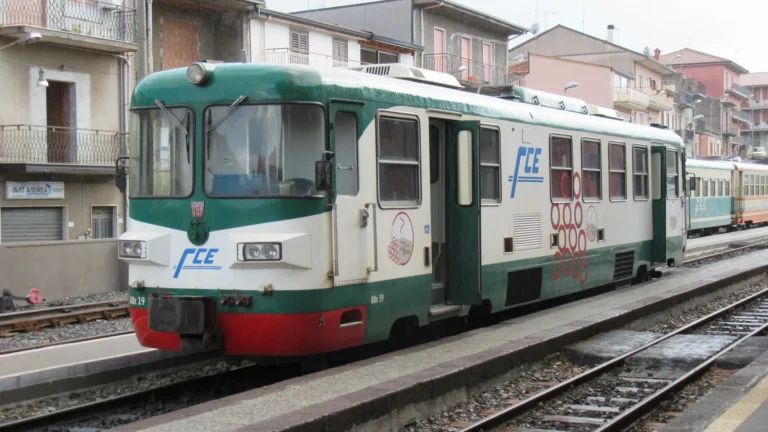
Circumetnea Railway: Etna by Train from Catania
The Circumetnea Railway loops 110 km around Mount Etna from Catania to Riposto. Routes, timetable, tickets, stations to stop at, and how to plan the ride.
 Itineraries
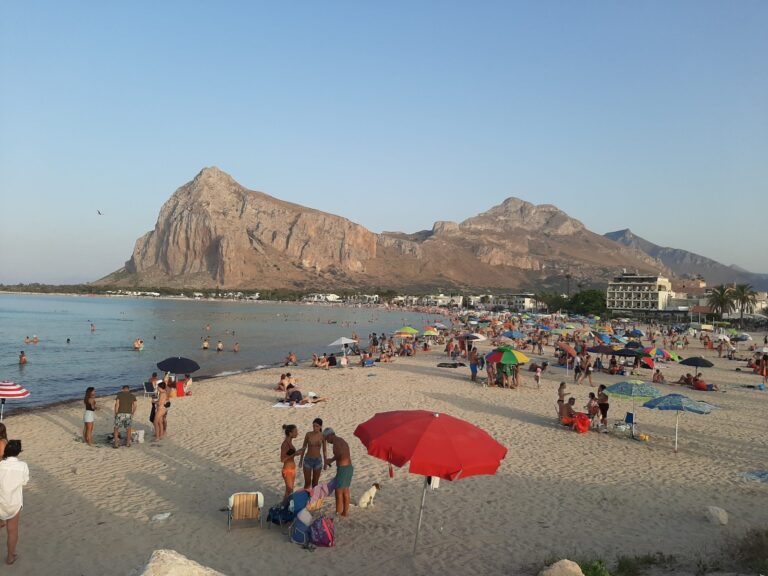
When Can You Swim in Sicily? Month Guide
A practical month by month guide to Sicily's swimming season, with sea temperature bands, best months, shoulder season advice and Catania based beach tips.
 Itineraries
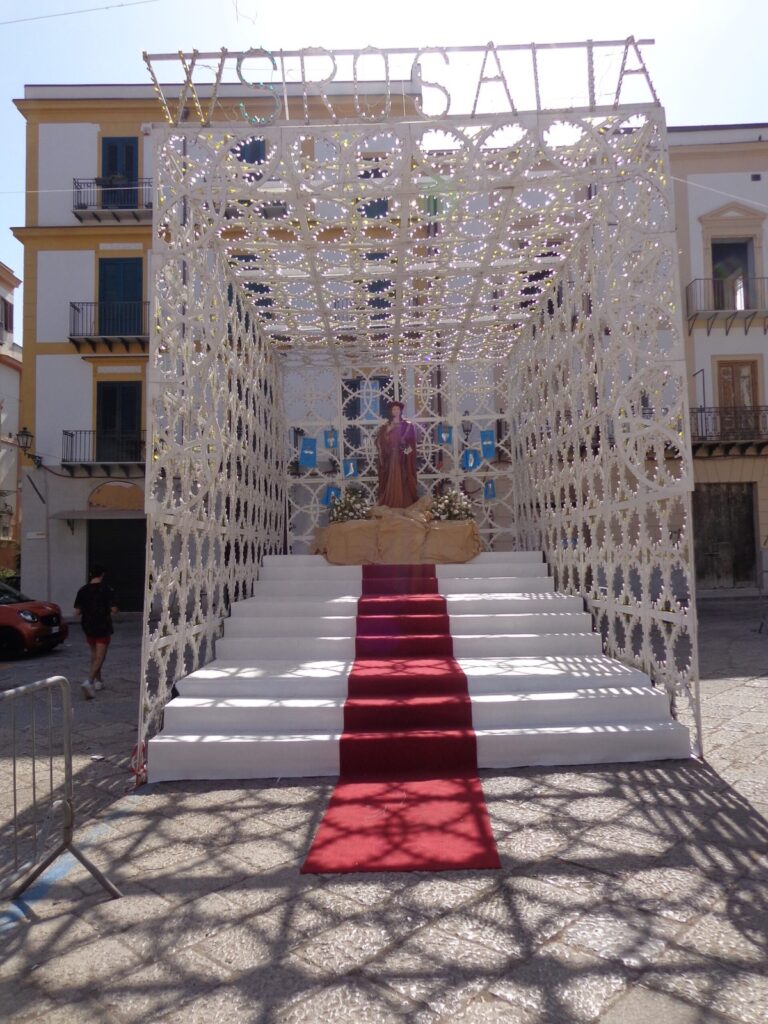
Sicily in July 2026: Santa Rosalia, Etna, Less Heat
Sicily in July 2026: Festino di Santa Rosalia 14-15 July, Taormina Arte at the Greek Theatre, Etna summit cool 8-18 degrees C, sea 24-26 degrees C, less heat than August. Catania-base practical guide.
 Itineraries
Sicily 5-Day Itinerary 2026: East Coast from Catania
A Catania-based 5-day Sicily itinerary: Etna, Taormina, Syracuse, Val di Noto. Single-base, car-optional, with real prices and parking tips.
 Itineraries
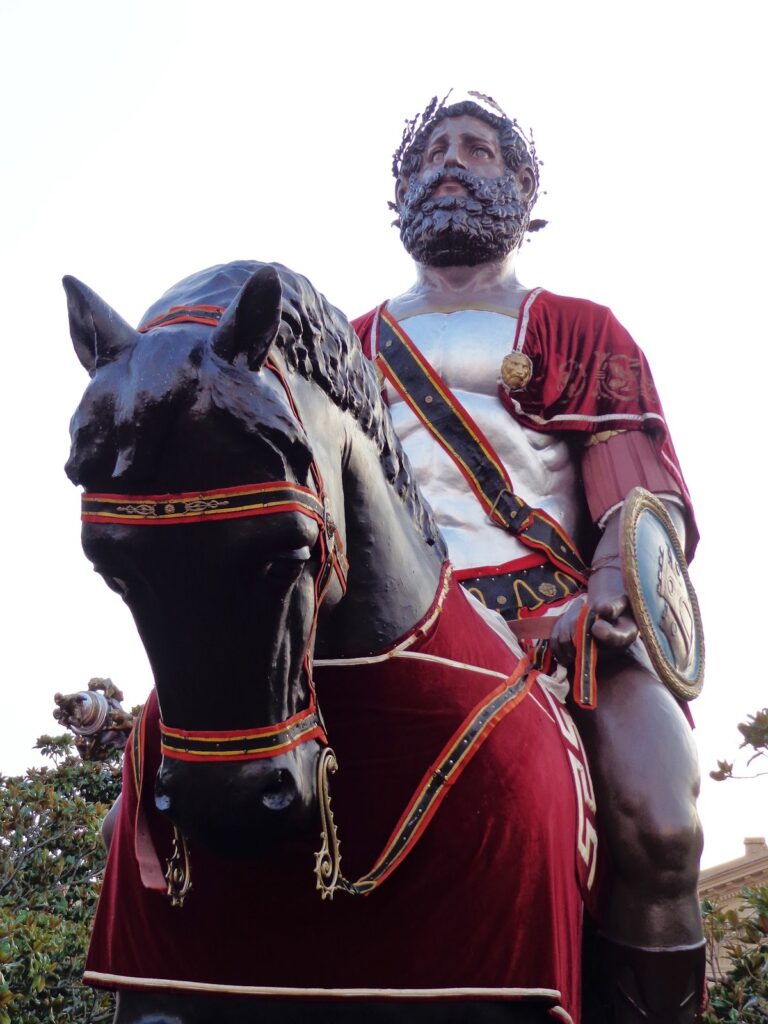
Sicily in August 2026: Ferragosto, Aeolians, Heat
Sicily in August 2026: Ferragosto Aug 15, La Vara di Messina, Madonna della Catena Aci Trezza, Palio Piazza Armerina, San Bartolomeo Lipari, sea 27 degrees C, Etna cool summit. Catania-base practical guide.
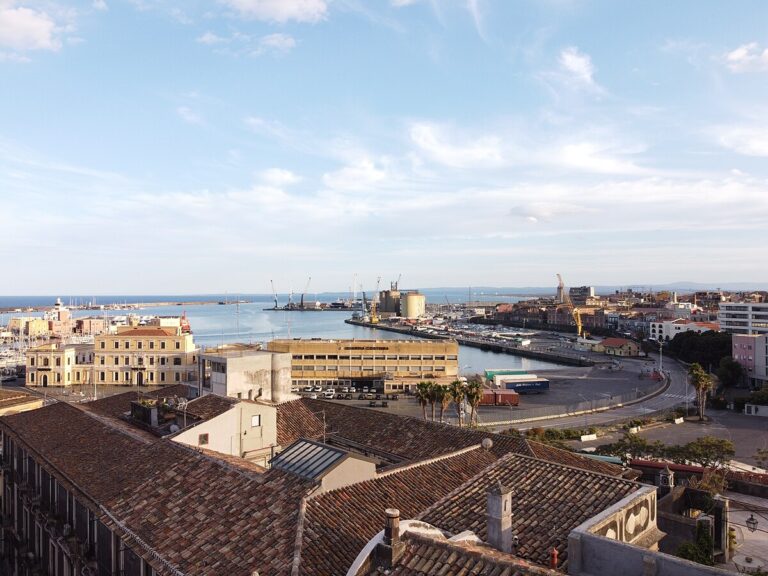 Itineraries
Sicily Itinerary 7 Days: Eastern Sicily from Catania
The 7-day eastern Sicily itinerary we plan for friends visiting us in Catania. Day-by-day guide with real costs, insider tips and practical advice from locals.
 Itineraries
Sicily in June 2026: Taormina Film Fest, Sea & Etna
Sicily in June 2026: Taormina Film Festival, swimming starts (sea 21-24 °C), Etna cool summit, less crowded than July-August. Catania base.
 Itineraries
Sicily in January 2026: Weather, Etna Skiing & Carnevale
Sicily in January 2026: 14°C coast, Etna skiing, Carnevale Acireale, Befana & 35-50% off-peak savings vs August. Complete weather, events & travel guide.
 Itineraries
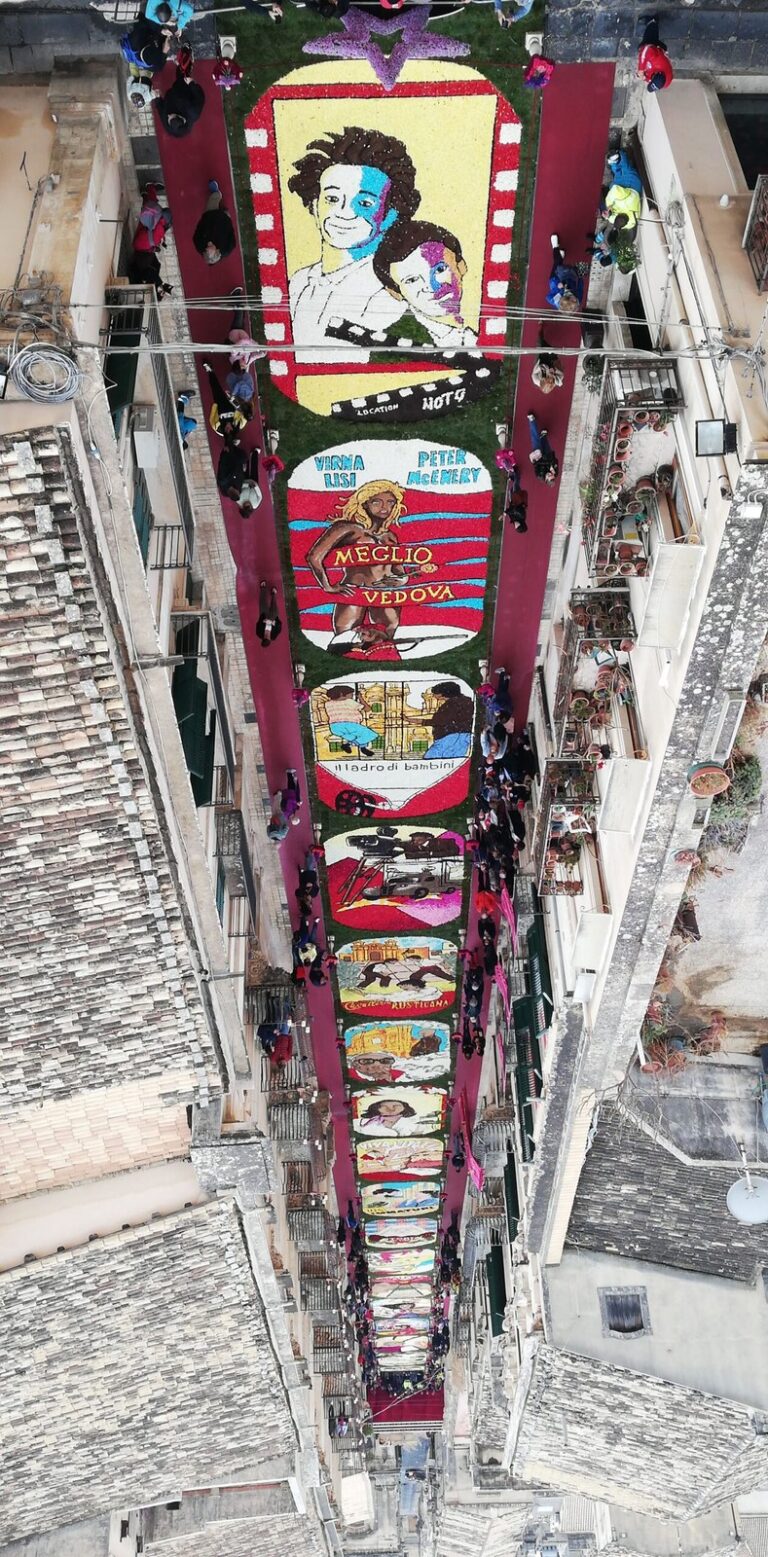
Sicily in May 2026: Sant’Alfio & Infiorata Noto
Sicily in May 2026: Sant'Alfio Trecastagni 9-10 May, Infiorata Noto 15-19 May, Cantine Aperte 31 May, INDA Greek Theatre Syracuse, Etna spring hiking and a Catania-anchored guide.
 Itineraries
Sicily in March 2027: Weather, Festivals & Travel
Sicily in March 2027: 16°C average, almond blossoms in Agrigento, Carnevale & San Giuseppe traditions. Complete weather, events and travel guide.
 Itineraries
Modica Chocolate Sicily: A Complete Travel Guide (2026)
Modica is one of Sicily's most striking Baroque towns, famous worldwide for its unique Aztec-style chocolate. This guide covers everything: the history of Modica chocolate, the best chocolate shops and producers, what…
 Itineraries
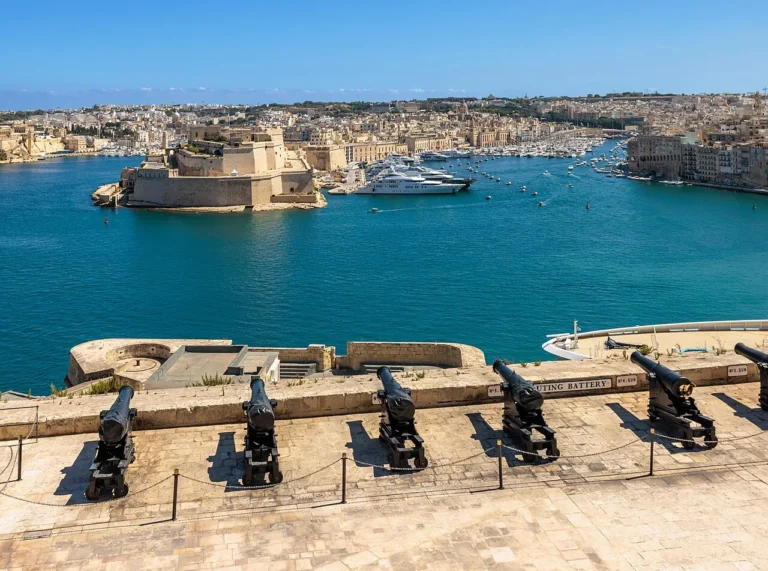
Malta and Sicily: The Perfect Mediterranean Itinerary
Two Mediterranean islands, 90 kilometres apart, one unforgettable trip. Malta — compact, polished, English-speaking — packs 7,000 years of history into an
 Itineraries
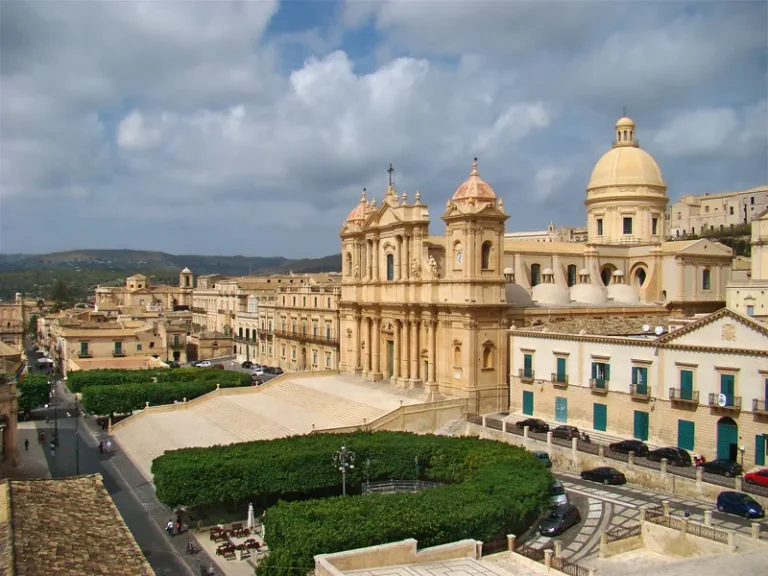
Things to Do in Noto Sicily: A Practical Guide
Noto is the brightest Baroque stop in south-eastern Sicily: compact, walkable, and easy to pair with beaches or Vendicari. This guide explains what Noto is famous for, what to see in one day, how long to stay, what to…
 Itineraries
Sicily Cooking Class: A Local’s Guide for 2026
How to choose a Sicily cooking class, picked by a local: format, area and budget across Catania, Taormina, Palermo and the countryside — plus the FAQs.
 Itineraries
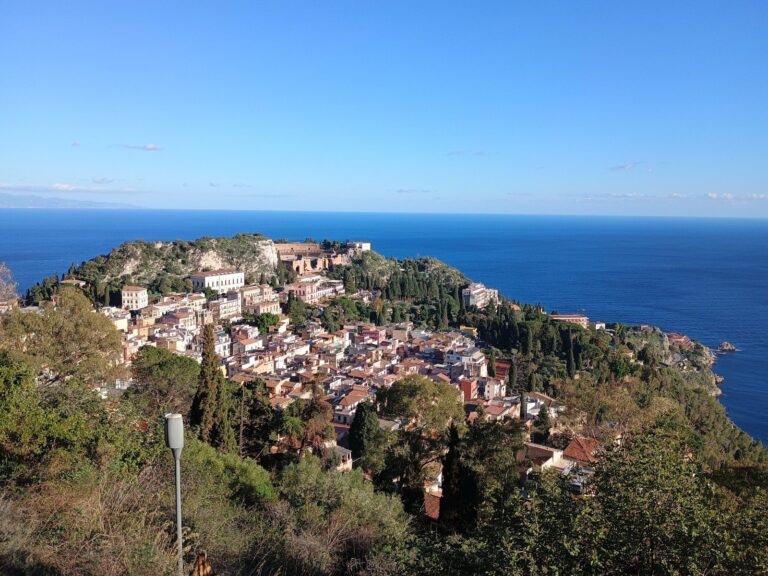
Sicily Honeymoon: A Romantic 10-Day Itinerary From Catania (2026)
Plan the perfect Sicily honeymoon: a 10-day romantic itinerary from Catania with Taormina, Etna wine, Ortigia and Noto. One apartment, zero unpacking.
 Itineraries
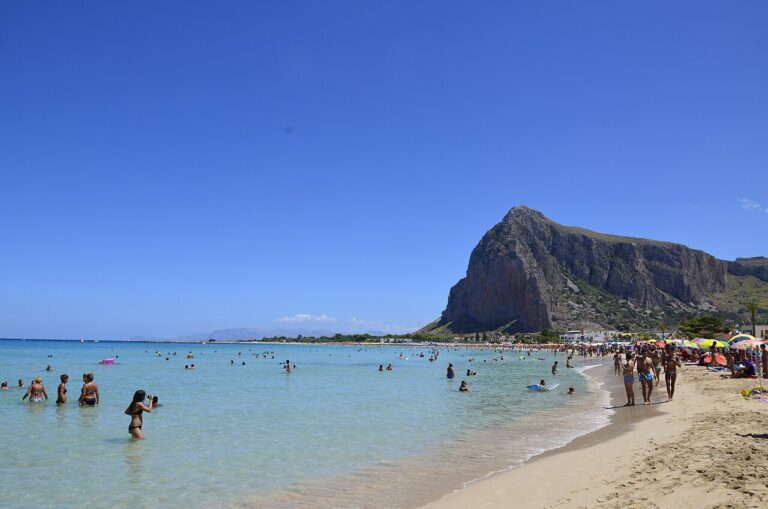
Beach Holiday in Sicily: The Complete Guide (East Coast Focus)
An honest guide to Sicily’s best beaches from locals who live on the east coast. Lidos, free beaches, nature reserves — plus why Catania makes the ideal beach base.
 Itineraries
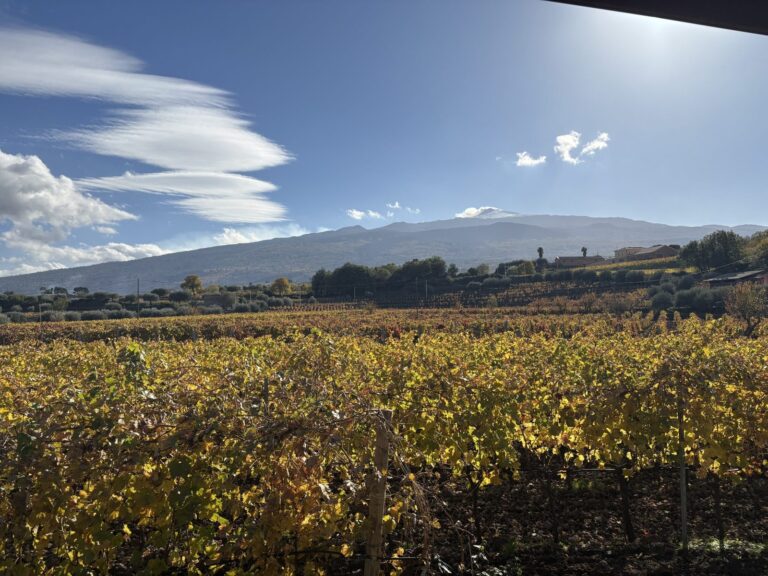
Sicily in September 2026: Weather, Sea & Wine Harvest
Sicily in September 2026: 27°C, sea 25°C, Cous Cous Fest, Etna vendemmia and 25-35% off-peak savings vs August. Complete weather, events and travel guide.
 Itineraries
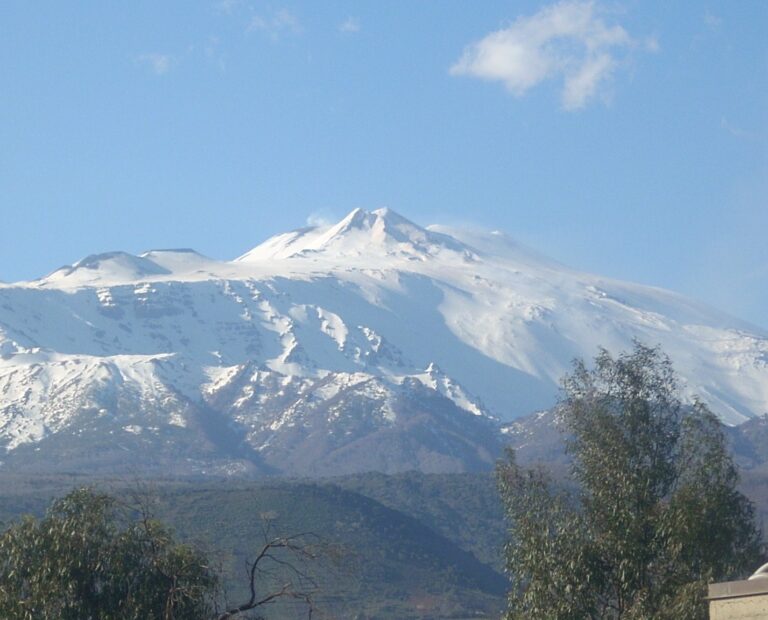
Sicily in December 2026: Weather, Christmas & Travel Guide
Sicily in December 2026: 16°C average, mild sea, Christmas markets and Santa Lucia, Etna ski, presepi viventi, 40-60% off-peak savings. Complete weather, events and travel guide.
 Itineraries
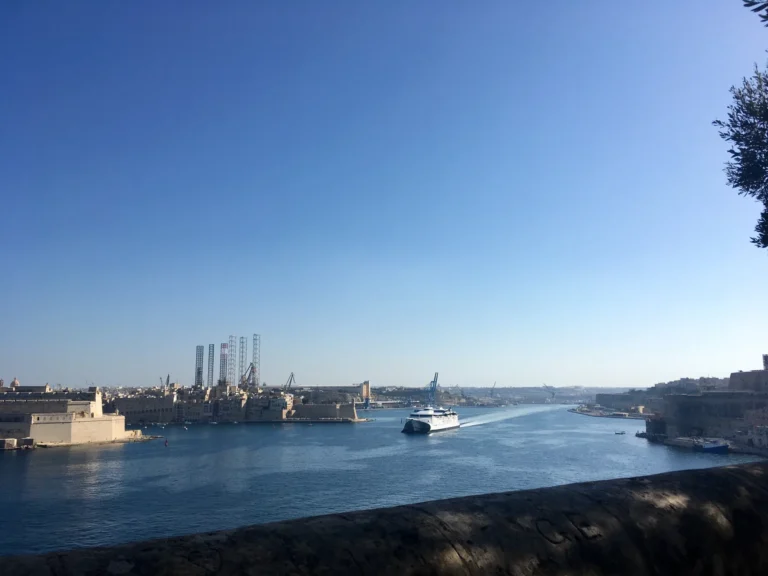
How to Get from Malta to Sicily: Ferries, Flights & Day Trips
Crossing from Malta to Sicily takes between 30 minutes and 1 hour 45 minutes, costs from €25, and is the fastest way to turn a Malta holiday into a
 Itineraries
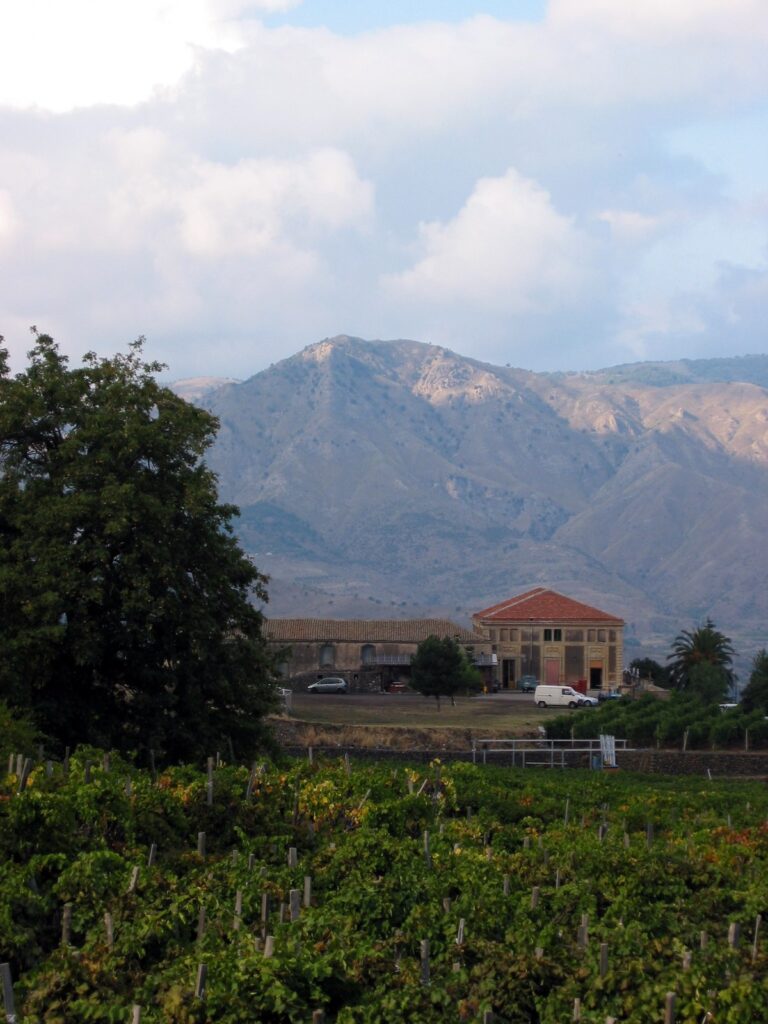
Sicily Wine Tours & Tastings: Etna Wineries from Catania (2026 Guide)
Plan your Sicily wine tour from Catania: top 10 Etna wineries (north & south), tastings, transport options, 2026 costs and whether to book direct or via Viator/GetYourGuide. Local 2026 guide.
 Itineraries
Sicily in February 2026: Sant’Agata, Carnevale & Quiet Season
Sicily in February 2026: Sant'Agata Catania (3-5 Feb), Carnevale di Acireale and Sciacca, Etna ski peak season, almond blossom, weather, costs and a Catania-anchored itinerary.
 Itineraries
Sicily or Sardinia? Honest 2026 Comparison
Sicily or Sardinia in 2026? Honest comparison: cost (Sardinia 20-40% pricier), beaches, food, UNESCO sites, transport, and whether to visit both.
 Itineraries
Sicily in November: Weather, Events & Where to Go (2026)
Complete 2026 guide to Sicily in November: 19°C average, mild sea, ChocoModica and All Saints events, olive oil harvest, 30-50% savings vs summer.
 Itineraries
Sicily in April 2027: Weather, Easter & Travel Guide
Sicily in April 2027: 19°C average, wildflowers in bloom, Holy Week processions & artichoke festivals. Complete weather, events & travel guide.
 Itineraries
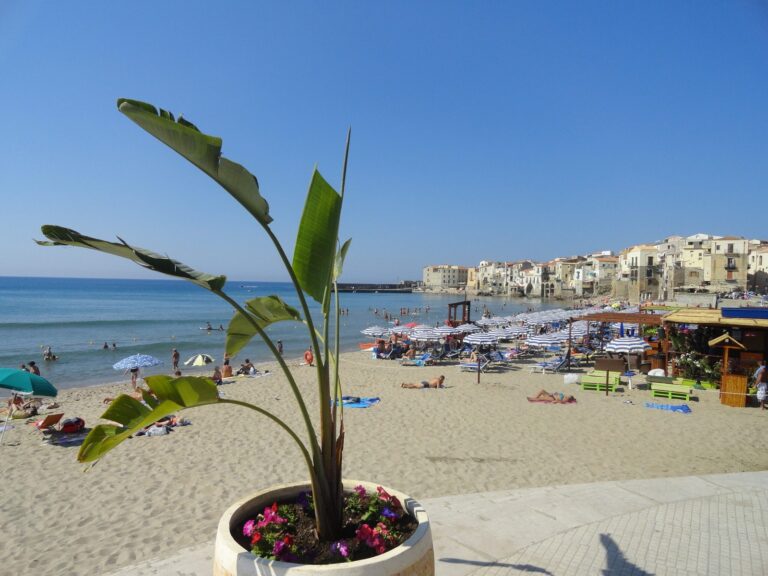
Sicily Family Holiday: Areas, When to Go (2026)
Plan your Sicily family holiday: best areas to stay, when to go, what to do with kids. Apartment-based guide from a Catania family host.
 Itineraries
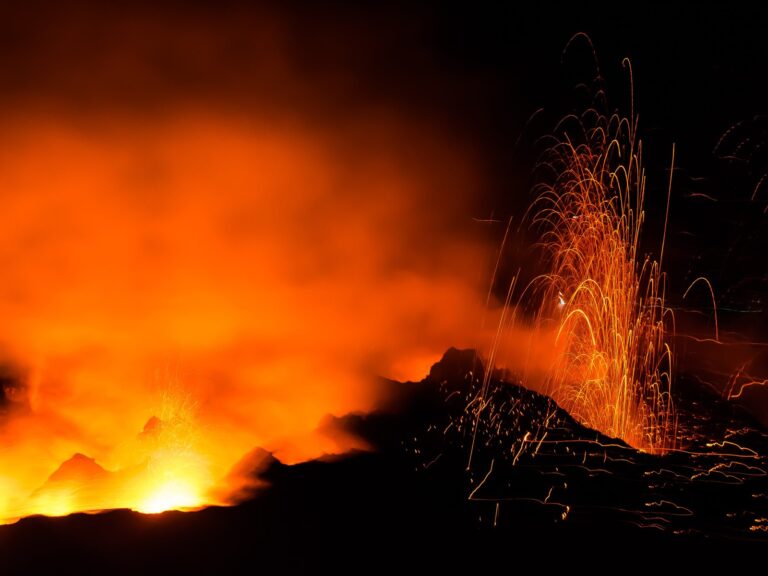
Italy Honeymoon: Sicily as the Unconventional Choice (2026)
Italy honeymoon guide for 2026: 11 Italian regions ranked (Amalfi, Venice, Rome, Tuscany, Sardinia, Como, Cinque Terre, Puglia, Capri, Dolomites, Umbria) plus the contrarian case for Sicily as the most varied…
Sicily by month
Twelve short reads — one per month — on climate, crowds, what’s open and what’s on, from January to December. Use this if you’re still picking dates and want to know what the island actually feels like that week of the year.
Sicily has a long shoulder season most guidebooks underplay. April, May, June, September and October are the sweet spots: 20-28°C, the sea swimmable from late May, sights open without queues, and prices well below July-August. July and August are hot (regularly 33-38°C inland) and crowded, but they’re the only months for full Aeolian beach culture and late-night festivals. November to March are quieter and cheaper; rain comes in bursts rather than weeks, and the main sights stay open with shorter winter hours. Etna can be hiked year-round, with snow on top from December to April.
Use the guides below to match your dates to the right activities — or, if you’re flexible, to pick the dates around the experience you want.
Read the full Sicily-by-month overview →
No guides in this section yet.
Aeolian Islands
Seven volcanic islands off the north coast of Sicily — Lipari, Vulcano, Stromboli, Salina, Panarea, Filicudi, Alicudi. The hub answers which one to pick, how to get there from Milazzo or Catania, and what each island actually feels like. Reachable as a multi-day side trip while based in Catania.
Each island has a distinct character. Lipari is the largest and the obvious base, with year-round ferries and the widest food/lodging choice. Vulcano is 10 minutes from Lipari, known for fumaroles and black-sand beaches. Stromboli is the active volcano you can hike at sunset to see lava bursts at the top. Salina is the green one, with Malvasia wine and quieter villages; Panarea the small designer-stop favourite. Filicudi and Alicudi are remote, minimal-amenities, for travellers who genuinely want off-grid. Ferry hub is Milazzo (3 hours by car from Catania, no direct train); summer-only hydrofoils run from Messina and occasionally Reggio.
Use the guides below to pick the island that matches your trip length, your fitness for the volcano hike, and your preferred crowd level.
Read the full Aeolian Islands guide →
 Aeolian Islands
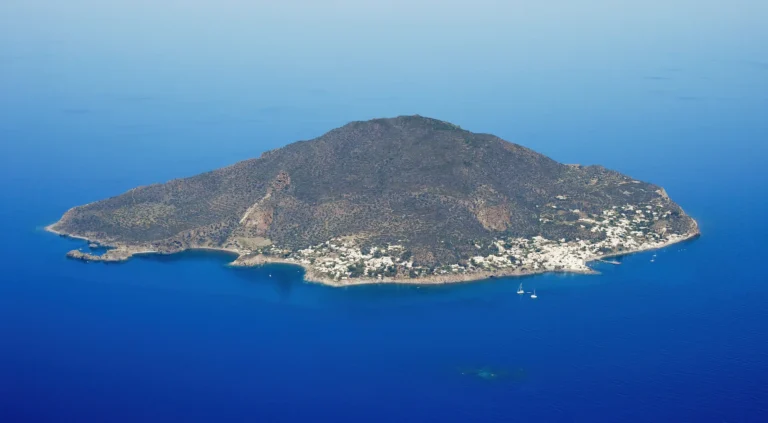
Panarea Island: The Aeolian Islands’ Chic Pearl
Panarea is the smallest inhabited Aeolian Island — just 3.4 km² of rock, white houses and bougainvillea anchored between Lipari and the
 Aeolian Islands
Stromboli Island: Sicily’s Living Volcano
Stromboli island is Sicily's northernmost Aeolian, a constantly erupting volcano. How to visit, the at-night Sciara del Fuoco, ferries from Milazzo & Catania.
 Aeolian Islands
Alicudi Island: Sicily’s Most Remote Aeolian
Alicudi is Sicily's wildest Aeolian island: no cars, no roads, just donkeys and the Filo dell'Arpa hike. How to get there, what to do, when to visit.
 Aeolian Islands
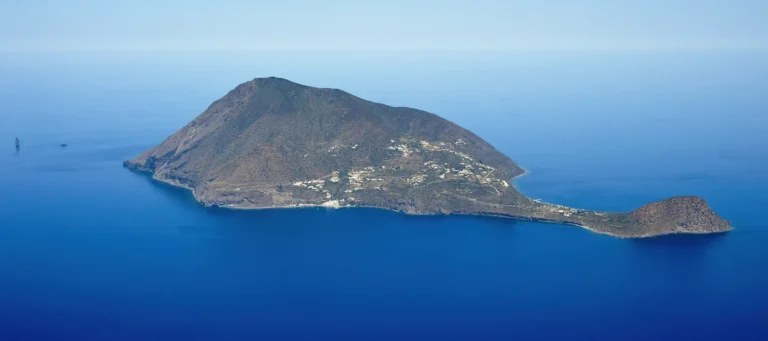
Filicudi Island: Sicily’s Wildest Aeolian
Filicudi is the Aeolian Islands' best-kept secret: monk seal cave, La Canna rock stack, Bronze Age ruins and pristine snorkelling. How to get there and what to see.
 Aeolian Islands
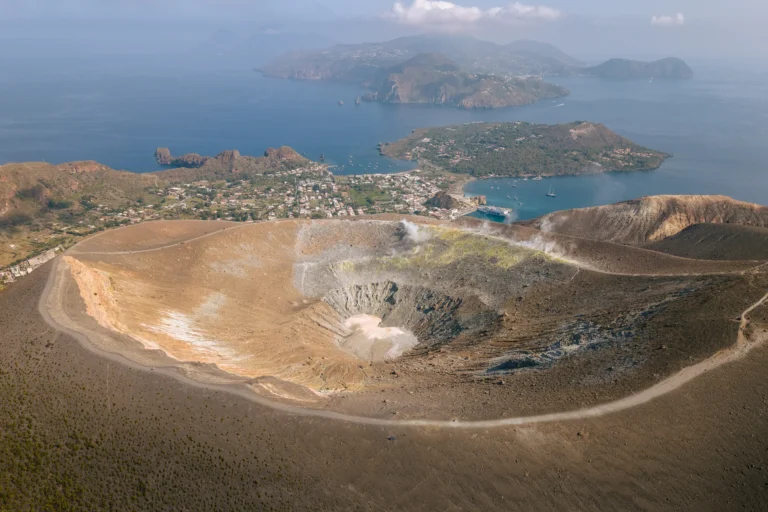
Vulcano Sicily: Crater Hike, Black Beaches & Day Trips
Vulcano is the southernmost of the seven Aeolian Islands and the closest to Sicily — just 12 nautical miles north of Milazzo, reached in 45 minutes by
 Aeolian Islands
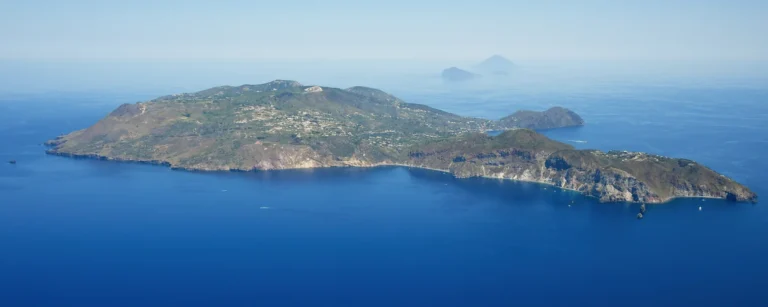
Lipari, Aeolian Islands: Beaches, Castle & Ferries 2026
Lipari is the largest of the Aeolian Islands and the smartest base for the archipelago. Castle and museum, Spiaggia Bianca, Quattrocchi viewpoint, ferries from Milazzo and Catania in 2026.
Sicily travel tips
The practical, pre-trip questions that don’t belong to any single city or route — whether English gets you by, what to pack for the season, and how safe the island really is. Read these before you book, then forget about them.
Short version: English is fine in Catania, Taormina, Syracuse and the main tourist areas, thinner in small villages where a few Italian words help. Packing swings hard by season — light layers and sun cover in spring and autumn, real heat gear in summer, a warm layer and rain shell in winter, sturdy shoes if Etna is on the list. Safety is better than the stereotypes suggest: Sicily is statistically safer than many European city destinations, with petty theft and chaotic traffic the only realistic concerns.
Use the guides below to settle the question on your mind, then get back to the fun part of planning.
Read the full Sicily travel tips →
 Travel tips
What to Pack for Sicily: Season-by-Season Guide (2026)
From Etna hiking boots to cathedral cover-ups and beach gear: a local's packing list for Sicily in every season. Monthly weather, what not to bring, and FAQ.
 Travel tips
Do They Speak English in Sicily? Honest 2026 Guide
Planning a trip to Sicily but worried about the language barrier? This honest guide breaks down where you'll find English speakers and the practical phrases to use.
 Travel tips
Is Tap Water Safe to Drink in Sicily? 2026 Guide
Sicily's tap water is officially safe in most ordinary travel situations, but taste, old plumbing and local habits confuse many visitors. This guide explains when to drink it, when to ask, and why bottled water is still…
 Travel tips
Is Sicily Dangerous? Honest 2026 Safety Guide for Tourists
No, Sicily is not dangerous. For tourists exercising standard urban precautions, Sicily is one of the safest destinations in the Mediterranean.
 Travel tips
Driving in Sicily: Tips & What to Know in 2026
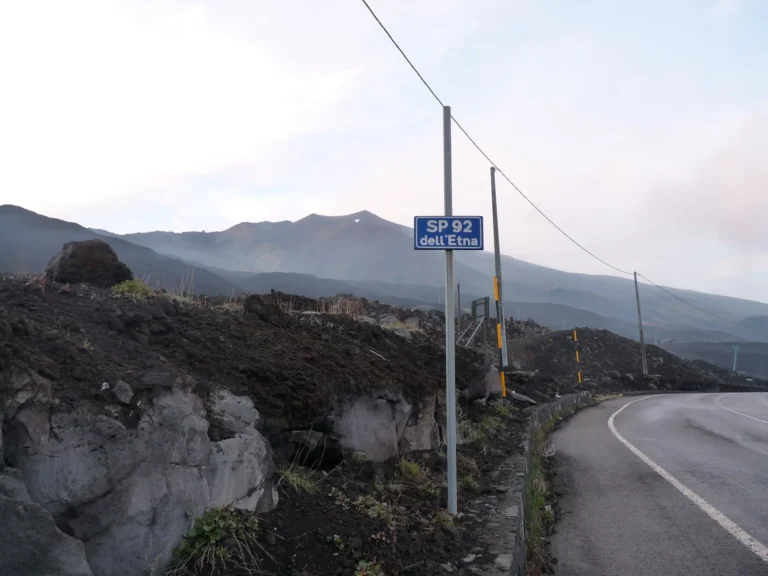
A practical guide to driving in Sicily: car rental, ZTL zones, parking, road style, distances from Catania, and when a car is worth it.