
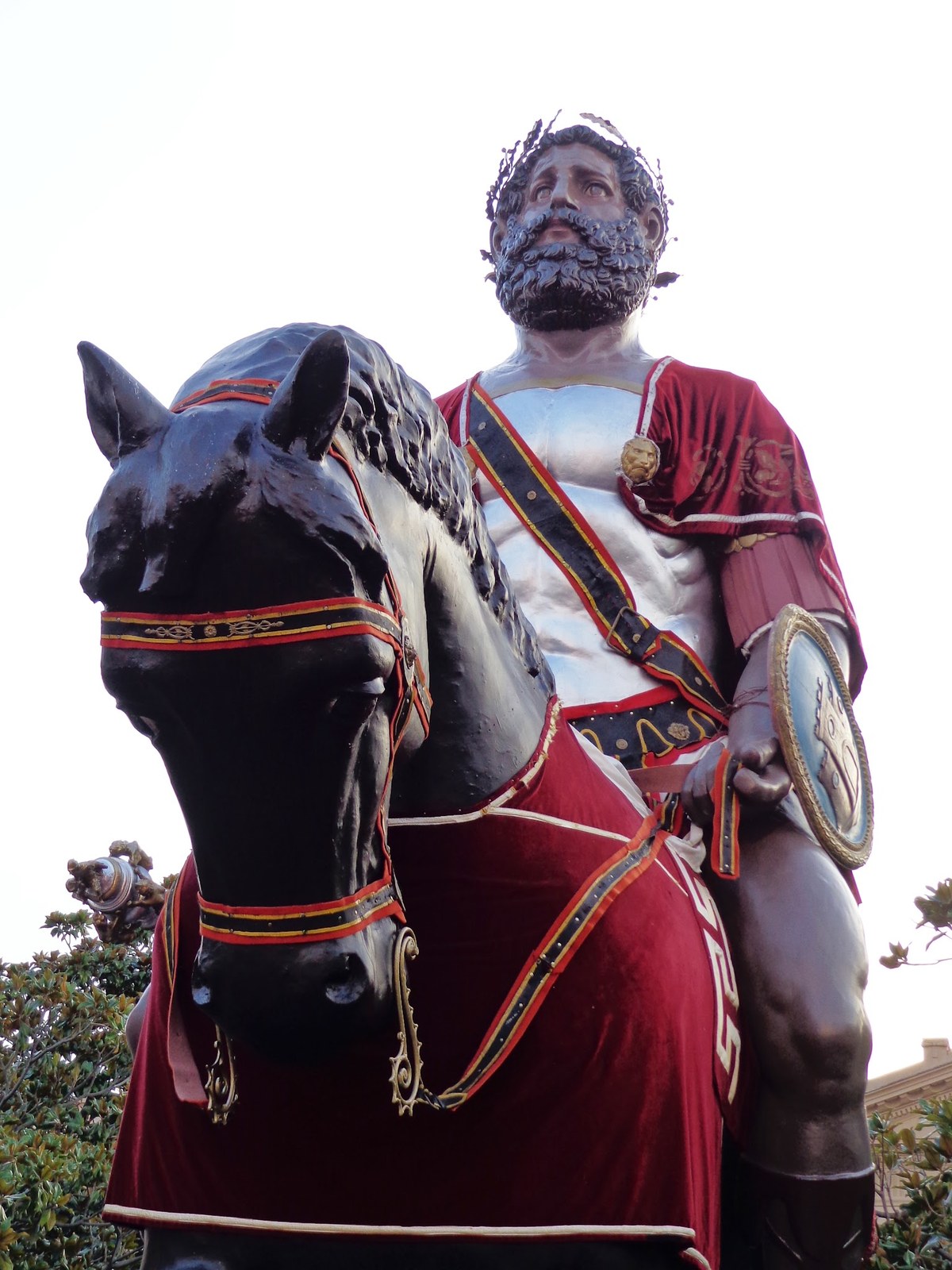
Sicily in August 2026 is the island at full summer pitch: coastal day temperatures of 28-34°C, sea at 26-28°C, almost no rain (5-10 mm across the month), and a packed cultural calendar — the Madonna della Catena fishermen feast in Aci Trezza on 12-14 August, the Palio dei Normanni medieval pageant in Piazza Armerina 12-14 August, Ferragosto on 15 August, La Vara 14-metre votive float through Messina 13-15 August, San Bartolomeo on Lipari 24 August, and the Pirandello Festival staged among the Greek temples of Agrigento. Crowds and prices peak (50-100% above shoulder months), but Mount Etna stays cool at altitude and the Aeolian Islands open their full ferry schedule. From our base in Catania this guide covers weather by region, festival dates exact for 2026, where to swim, how to escape the heat at altitude, and what a Catania-anchored August trip actually costs.
What is the weather like in Sicily in August?
Coastal Sicily averages 28-34°C by day and 21-26°C at night in August, with sea temperature around 27°C all month, only 5-10 mm of rainfall over 1-2 wet days, and 11-12 hours of sunshine per day. Inland and southern areas are hotter (33-37°C in Agrigento, Caltanissetta, Enna). The summit of Mount Etna at 3.357 m and the Madonie Mountains at 700-1.000 m altitude run 6-12°C cooler than the coast. Sirocco winds occasionally push afternoons above 36°C, with peaks above 40°C in inland southern Sicily.
August is the driest and sunniest month of the Sicilian year — only about 4% chance of rain on any given day, with the few showers concentrated in brief afternoon storms over the inland mountains. The east coast (Catania, Taormina, Syracuse) runs slightly cooler at peak hours than the south coast (Agrigento, Sciacca) thanks to morning sea breezes from the Ionian, but humidity is consistently 60-70% across the whole island and the difference is small. The real temperature gap is altitude: every 1.000 metres up the mercury drops by roughly 6°C.
| Region | Day °C avg | Night °C avg | Sea °C avg | Wet days |
|---|---|---|---|---|
| Palermo (NW coast) | 30 | 23 | 27 | 1 |
| Catania (E coast) | 32 | 23 | 27 | 1 |
| Taormina (NE coast, 200 m) | 30 | 22 | 27 | 1 |
| Aeolian Islands | 28 | 23 | 27 | 1 |
| Agrigento (S coast) | 34 | 24 | 27 | 1 |
| Madonie (700-1000 m) | 26 | 17 | — | 2 |
Daylight shortens through the month: Catania sees 14 hours of daylight on 1 August and 12 hours 50 minutes by 31 August — a loss of about 70 minutes across the four weeks. Sunrise drifts from around 06:00 to 06:30, sunset from 20:15 down to 19:30, but the heat lingers well after dark and most southern Sicilians do not start dinner until 21:00.
On Mount Etna the air at 2.000 m sits at a comfortable 15-22°C during the day and 8-12°C overnight — the most pleasant working temperature on the volcano all year. The summit (3.357 m / 11.013 ft) is in its best window: 5-15°C in the day, low wind probability, and roughly 95% sunshine. The cable car, jeep, and authorised guide services run on full schedule through the month.
How hot will Sicily be in August?
August is the hottest month of the year in Sicily. Coastal cities average 30-32°C by day and 22-24°C at night; the south coast and inland southern areas (Agrigento, Caltanissetta, Enna) regularly reach 33-37°C. Sirocco wind events from North Africa push peaks to 40-42°C for one or two days at a time, typically in mid- to late August. Sea temperature stabilises around 26-28°C all month — the warmest of the year. Direct sun is intense: UV index 9-10, a full burn in 15-20 minutes for unprotected pale skin. The relief comes at altitude: Etna at 2.000 m sits at 15-22°C during the day, the Madonie Mountains at 24-26°C, and the summit of Etna at 5-15°C.
What is the weather like in Palermo and Taormina in August?
Palermo averages 29-32°C by day in August with night temperatures of 22-24°C and sea at 27°C off Mondello beach. Taormina, perched at 200 m above the Ionian, is slightly cooler: 28-31°C by day and 21-23°C at night, with the same 27°C sea at Isola Bella and Mazzarò. Both cities see only 1-2 wet days across the month. Taormina’s hilltop position picks up more breeze and is the easier mid-summer base if you struggle with heat at sea level; Palermo’s inland old town traps warm air through the night.
Is August a good time to visit Sicily?
August is the most polarising month to visit Sicily. The case for: peak sea temperatures, a packed festival calendar including Ferragosto, full Aeolian ferry schedule, the best Etna summit window, and a Mediterranean summer at full intensity. The case against: heat (28-34°C coast, 33-37°C inland), crowds (Italians and Northern Europeans on holiday simultaneously), and prices (50-100% above shoulder months). Honest answer: yes, if you go in with a heat-aware plan. No, if you expect quiet uncrowded archaeological sites and shoulder-season prices.
Why August works
- Festival concentration. Madonna della Catena Aci Trezza 12-14 August, Palio dei Normanni Piazza Armerina 12-14 August, La Vara di Messina 13-15 August, Ferragosto 15 August, Festa di San Bartolomeo Lipari 24 August, Pirandello Festival in Agrigento late July to early August, Notte di San Lorenzo (Perseids meteor shower) 10-13 August. No other month in Sicily concentrates this much religious-folk-cultural intensity.
- Sea at peak. Sea temperature 26-28°C all month, the warmest of the year. Beach lidos and free beaches operate at full schedule; ferry services to all the Aeolian islands run hourly out of Milazzo.
- Etna at altitude. The summit window opens fully — snow zero, summit air 5-15°C, very low wind, the most pleasant trekking conditions of the year on the high cones.
- Long evenings. Sunset past 20:00 the first half of the month, dinner outdoors at 21:00, life on the streets until well after midnight in coastal towns.
- Aeolian access. Liberty Lines hydrofoils run Milazzo-Lipari every 30-60 minutes, with full service to Stromboli, Filicudi, and Alicudi — services that thin out by late September.
Where August struggles
- Heat at midday. Coastal cities at 30-32°C are tolerable in shade and breeze, but archaeological sites at 33-36°C without shade are punishing. The Valley of the Temples, Selinunte, Segesta, Villa Romana del Casale all reward a 7am opening visit or a 6pm sunset visit, not the middle of the day.
- Peak prices. Apartment rates in central Catania, Taormina, Palermo run 50-100% above shoulder months; Aeolian island accommodation triples; Taormina sea-view hotels reach their annual peak. Flights from Northern Europe up 60% on average.
- Crowds and booking pressure. Italian school holidays (Aug 1 – Sept 10) overlap Northern European August leave. Aeolian ferries sell out 2-3 weeks ahead from August 10. Restaurants in Taormina, Cefalù, Aeolian, San Vito Lo Capo require reservations 1-2 weeks ahead.
- Pescheria and small business closures. Catania’s historic Pescheria fish market typically closes 13-19 August (the Ferragosto week); small family-run trattorie, pasticcerie, and shops in Catania, Palermo, and Syracuse close entirely for 1-2 weeks. Plan dining around the lidos and seafront restaurants, which stay open.
- Sirocco events. One or two days a month the Saharan wind lifts coastal highs above 38°C with high humidity. These days are best spent in air-conditioned museums (Cappella Palatina Palermo, Museo Salinas, Museo Mandralisca Cefalù) or at altitude on Etna.
For a cooler-month alternative see our Sicily in September guide (sea still 25°C, schools back, prices drop 25%) or the Sicily in May guide for the spring shoulder window.
Ferragosto in Sicily: what August 15 actually looks like
Ferragosto on 15 August is the deepest national holiday of the Italian calendar after Christmas — its origin is Roman (the Feriae Augusti proclaimed by Emperor Augustus in 18 BC, later overlaid with the Catholic Assumption of Mary). In Sicily it is the single biggest beach day of the year: families on the lidos by 8am, family bonfires on the sand after dinner, fireworks at midnight on every coastal town, fishing boats and motorboats packed gunwale-to-gunwale on the bays. Most museums close. Most public transport runs reduced. Restaurants away from the coast empty out. Coastal restaurants triple-book and ask 50% deposit two weeks ahead.
Effems · CC0
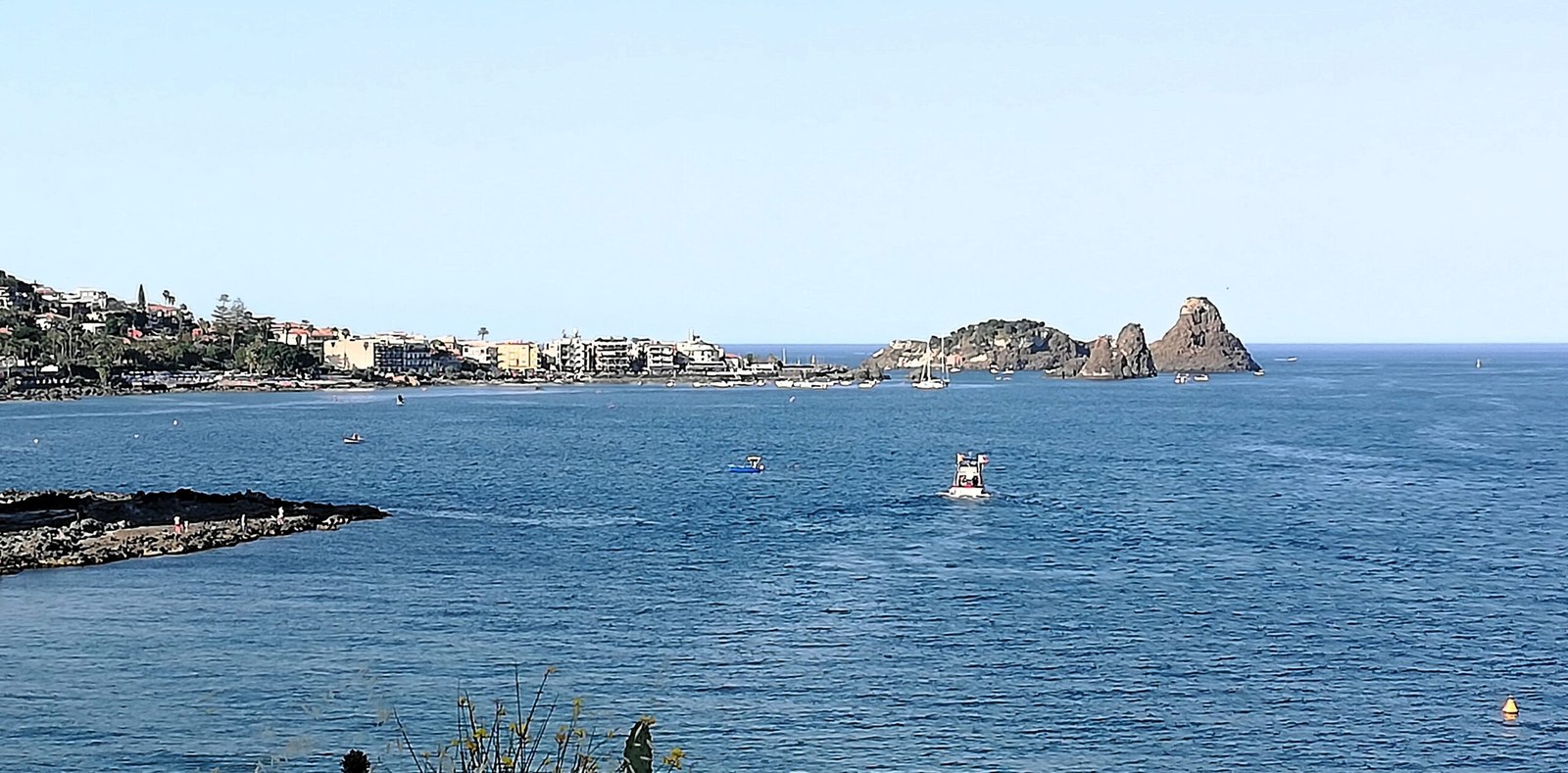
From our base in Catania, Ferragosto is best understood as a four-day arc with Aci Trezza as its strongest single anchor. The fishing village 12 km north of Catania — the village Verga immortalised in I Malavoglia (1881) — runs the Festa della Madonna della Catena from 12 to 14 August: a religious procession through the village on the evenings of 12 and 13 August, then the centrepiece on the evening of the 14th, when the statue of the Virgin is taken on a boat procession around the Faraglioni at sunset. The basalt sea-stacks are lit from below; the fishing boats illuminate their bows and form a slow circle around them; a brass band plays from the harbour wall; and fireworks finish the night over the Cyclops bay. From Catania the village is a 20-minute drive on the SS114 or a half-hour bus ride.
Madonna della Catena Aci Trezza
- Location
- Cyclopean Isles Maps
- Essential fact
- Fishermen’s feast since 18th century · statue of the Virgin on a boat circling the Faraglioni · stacks illuminated from below · brass band + fireworks · sagra del pesce azzurro on the seafront
- Price
- Free
On Ferragosto itself (15 August), the wave moves to the bigger beaches. La Plaja in Catania — the 4-kilometre black-sand stretch south of the city — fills from 8am with Catanese families in tents, the lidos run their largest annual gigs, and the night closes with fireworks at midnight from three or four lido stages. Mondello (Palermo’s beach), Cefalù, San Vito Lo Capo, Letojanni (below Taormina), Marina di Ragusa, and the Aeolian beaches all run the same pattern: family beach day all day, fireworks at midnight, music and street food into the small hours. If you are based in Catania and want a less local-only experience, drive 25 km north to Aci Castello or Acireale’s Santa Tecla bay, where the rituals are similar but the crowds smaller.
Inland the picture inverts: Enna, Caltagirone, Piazza Armerina, the Madonie villages all empty out from the morning of the 14th to the morning of the 16th, with most restaurants and shops closed. The exception is Piazza Armerina, where the Palio dei Normanni runs simultaneously and pulls thousands of visitors from across central Sicily.
Practical tip: in Catania, the Pescheria fish market typically closes 13-19 August (Ferragosto week) and several historic trattorie close for 7-14 days from August 10. Coastal lidos and the seafront restaurants on the Plaja, Aci Trezza, Aci Castello, and Acireale stay open and operate at full capacity — that is where you eat that week. Confirm hours with the operator before you go: closure dates shift year to year.
Major August festivals 2026: Vara, Palio, San Bartolomeo, Pirandello
Beyond Ferragosto, August carries five major Sicilian festivals worth planning a trip around: La Vara di Messina (giant 14-metre votive float, 13-15 August), Palio dei Normanni in Piazza Armerina (medieval pageant, 12-14 August), Festa di San Bartolomeo on Lipari (Aeolian patron, 24 August), the Pirandello Festival staged among the Greek temples of Agrigento (late July to early August), and the Notte di San Lorenzo (10 August, the year’s prime meteor-shower night).
La Vara di Messina 2026
- Location
- Piazza Duomo, Messina Maps
- Essential fact
- 14-metre votive float depicting the Assumption · 8 tons · 48 polychrome figures on 12 levels · pulled by ~1.700 white-robed devotees on 4 ropes · preceded by the Giants Mata e Grifone (8-metre wooden statues) on 13-14 August + Camel of Saint Anthony
- Price
- Free
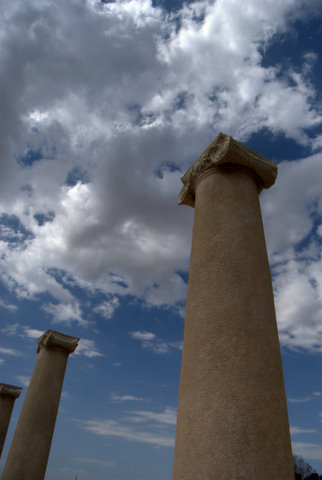
La Vara is the heaviest religious-mechanical procession in Italy. The float was first built in 1535 by Father Cesare Rao on a votive promise after the city was spared an outbreak of plague; it has been rebuilt several times after fires and the 1908 earthquake but kept its essential design — a tall conical cage with the Assumption at the top, surrounded by ranks of cherubs, prophets, and apostles in carved polychrome wood. On the afternoon of 15 August the entire structure is hauled by ~1.700 white-clothed mantellati gripping four 70-metre ropes, with the procession taking 4-5 hours to cover the route through the central avenues from Piazza Castronovo to Piazza Duomo. The whole movement ends with fireworks over the Strait of Messina at midnight. Combined with the parade of the wooden Giganti on 13-14 August, it is the most photographed religious event in Sicily after Sant’Agata in Catania.
Salvo Spagnuolo · CC BY-SA 2.0
Palio dei Normanni 2026
- Location
- Via Monsignore Sturzo 7, Piazza Armerina Maps
- Essential fact
- Medieval pageant in three days · day 1 (Aug 12): Royal Cortege of 600+ costumed actors entering the city · day 2 (Aug 13): Quintana joust between the four city quarters (Monte, Casalotto, Castellina, Canali) · day 3 (Aug 14): final tournament + trial of Roger · commemorates the Norman victory of Roger of Hauteville over the Saracens in 1063
- Price
- €15–30 (joust tickets · cortege and tournament free)
Festa di San Bartolomeo Lipari
- Location
- Via Castello 3, Lipari Maps
- Essential fact
- Procession with the silver simulacrum of Saint Bartholomew (16th century) through Lipari’s old town · sea procession of fishing boats out of Marina Lunga · fireworks launched from the cliffs of the Castle (80 m above the sea) · brass band
- Price
- Free
Pirandello Festival Agrigento
Moleskine · CC BY-SA 4.0
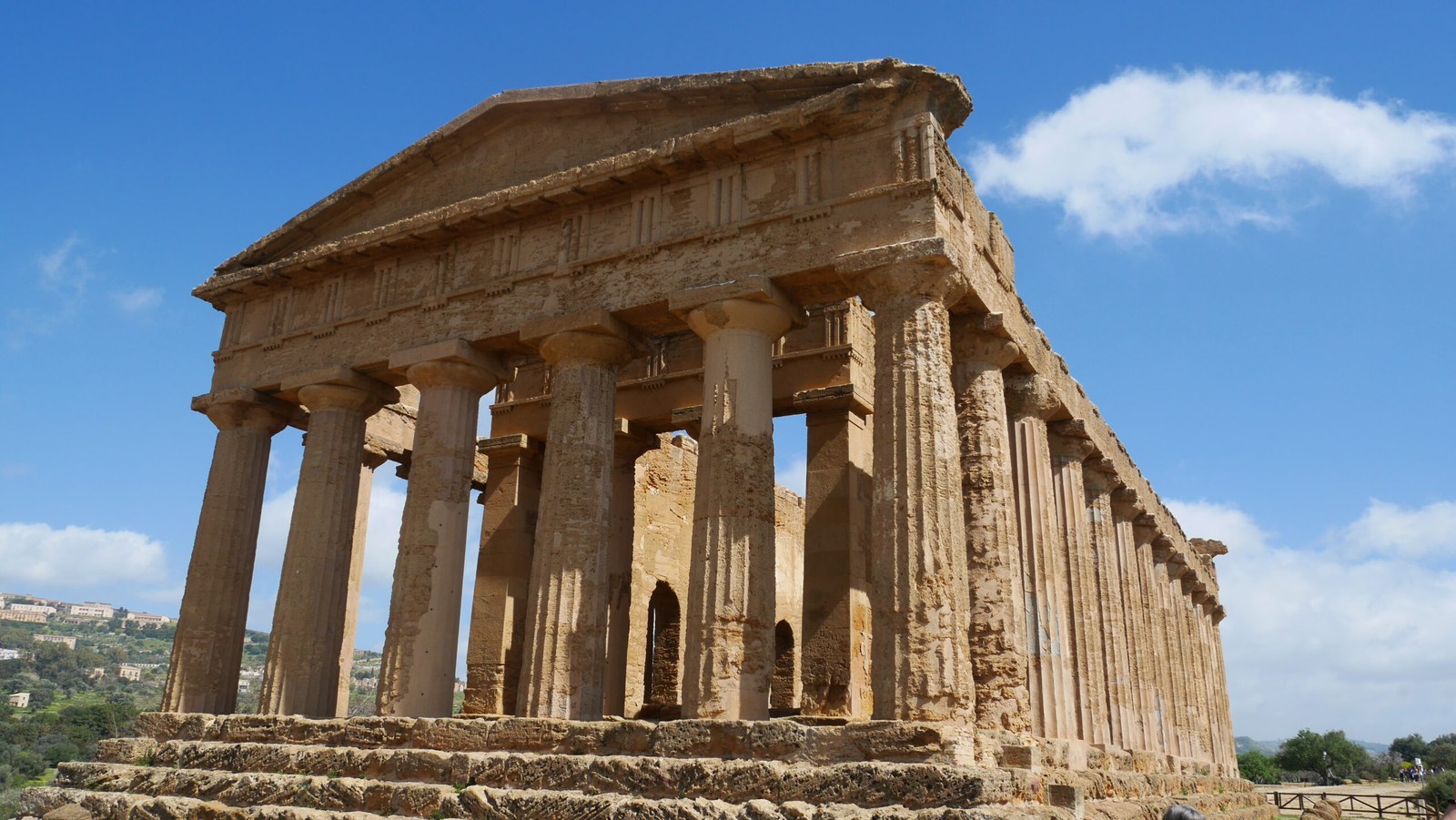
The Pirandello Festival is dedicated to the Sicilian Nobel laureate Luigi Pirandello (1867-1936), born in the Caos contrada of Agrigento. The 2026 programme typically runs late July to early August (confirm dates with Casa-Museo di Pirandello), with stagings of his major plays — Sei personaggi in cerca d’autore, Enrico IV, Così è (se vi pare) — at sunset in the area around the Temple of Juno in the Valley of the Temples. Tickets €15-35 per night. The pairing of fifth-century-BC Greek architecture with twentieth-century Italian theatre is one of the more unusual cultural propositions on the Sicilian summer calendar.
Notte di San Lorenzo (Perseids)
The night of 10 August is the Italian San Lorenzo night — a folk tradition of wishing on shooting stars that maps onto the peak of the Perseids meteor shower (roughly 10-13 August). The shower produces around 60 meteors per hour at peak under dark skies. The best Sicilian viewpoints: Etna Piano Provenzana at 1.810 m (low light pollution + altitude), Stromboli summit area if you book a guided dusk hike (combined with the active eruption visibility), Madonie villages like Petralia Sottana or Polizzi Generosa (low coastal light spillover). From Catania, a Provenzana run is a 1 h 15 drive — head up after dinner, watch from 22:30 onward, return by midnight.
Other August events
- Taormina Arte Festival (June-September): the international concert and opera season at the 2.300-year-old Greek Theatre of Taormina runs through August. Programmes published April-May, tickets €40-200 depending on artist. The August headliners typically include world-class jazz, opera, and Italian-pop names.
- Cous Cous Fest preview San Vito Lo Capo: the official festival is in mid-September, but San Vito’s nightlife from mid-August onwards already runs the cooking demonstrations and street-food stages that anticipate it.
- Festa di Sant’Anna Floresta (late July) and various small-village patron-saint feasts across the Madonie and Iblei in early-to-mid August: not internationally famous, but worth catching if you base in a small inland town.
- Sicily Summer Pass museums. Many state museums (Palermo Archaeological, Catania Bellini, Syracuse Paolo Orsi) run extended summer evening hours through August, with the last entry at 22:00 several nights a week.
Mount Etna in August: the summit window
August is the optimal high-altitude trekking month on Etna. Snow is zero on every route, the summit (3.357 m) sees 5-15°C in the day with very low wind probability and ~95% sunshine, and the cable car (Funivia Etna €50 round-trip), jeep tour (€25), and authorised summit guide (€20-30) all run on full schedule. Critically, at the summit you escape the coastal 32°C heat — worth a half-day even for non-hikers, simply to spend midday in cooler air.
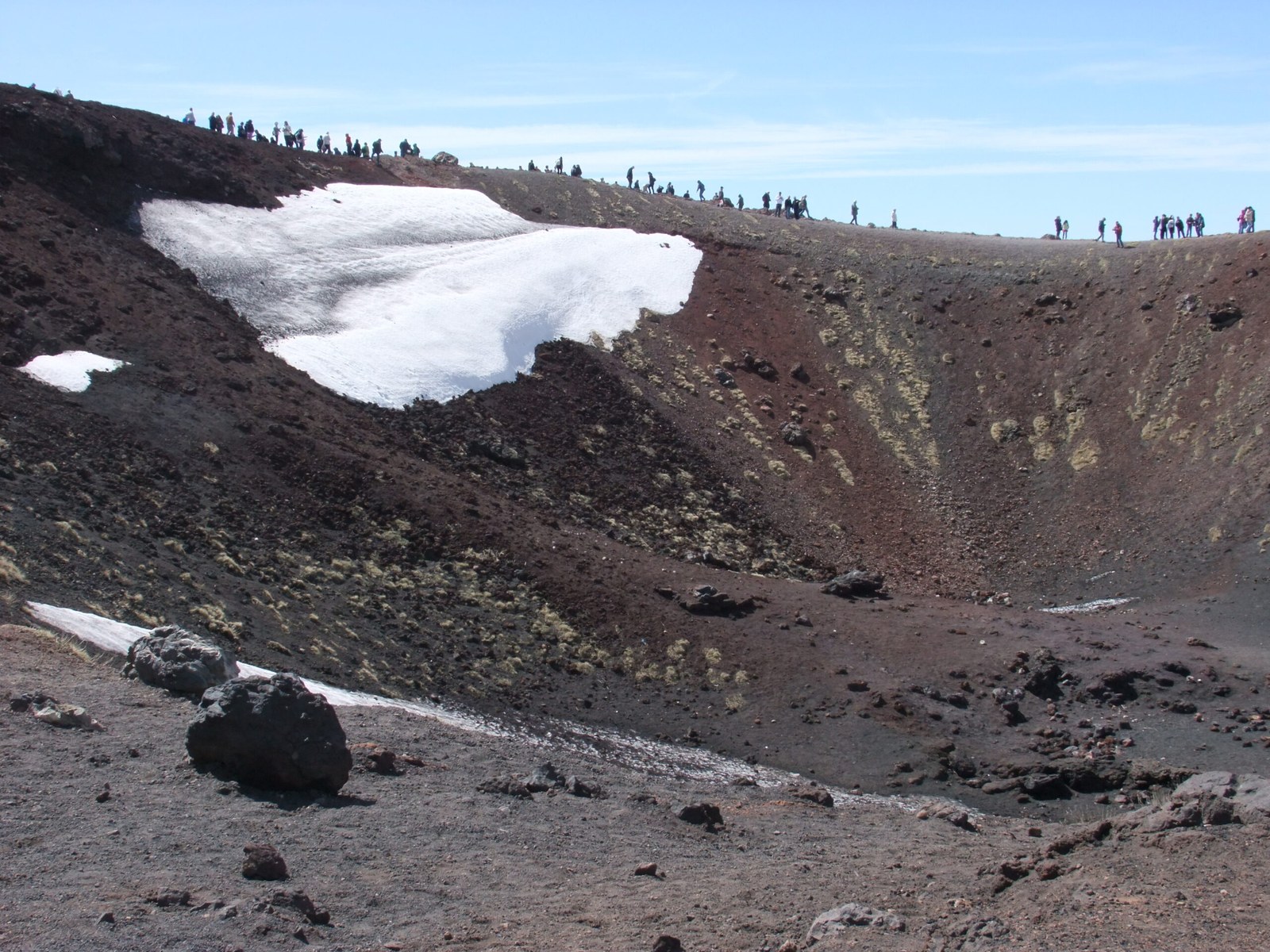
Dror Feitelson · CC BY-SA 4.0
Two access routes serve different objectives. Etna Sud (south flank, Nicolosi access road) climbs to Rifugio Sapienza at 1.910 m, where the cable car operates 09:00-16:30 daily through August to take walkers to 2.500 m. From the upper station, 4×4 jeep tours continue to 2.900 m, and authorised mountain guides take small groups to within sight of the active summit craters when conditions allow. Etna Nord (north flank, Linguaglossa access) climbs to Piano Provenzana at 1.810 m, less developed for tourists but the better route for serious hikers and the closer access to the Etna DOC vineyards on the way back down.
Funivia dell’Etna and summit access
- Location
- Stazione Partenza Piazzale Funivia Etna Sud, Nicolosi Maps
- Site
- funiviaetna.com
- Essential fact
- Cable car 1.910 m → 2.500 m in 12 minutes · jeep 2.500 m → 2.900 m · authorised guide required above 2.900 m
- Price
- €50 (cable car round trip · jeep €25 · summit guide €20–30 · prices indicative, confirm with operator)
In August the Silvestri Craters (1.980 m, on the SP92 just below Sapienza) are a 30-minute crater-rim walk on extinct cones from the 1892 eruption — comfortable in the morning but exposed at midday. Schiena dell’Asino (a 4-hour ridge hike from Sapienza) reaches a panoramic point above the Valle del Bove with the active craters visible in the distance — start at 06:00 to be back down by midday. Pista Altomontana (Etna Nord) is a 40-km mountain-bike-friendly track around the 1.700 m contour through pine and birch woods; ideal in summer because it stays in shade most of the day. For practical detail and route maps see our Mount Etna hiking and skiing guide.
The Aeolian Islands in August: ferries, Stromboli, where to base
August is the Aeolian peak season. Liberty Lines hydrofoils run Milazzo to Lipari every 30-60 minutes (1 h crossing, €23 single); Siremar ferries run 6-8 times a day (2 h, €15, car-carry). From Catania, a seasonal direct hydrofoil runs Catania → Lipari in summer (2 h, €40 single) — the easiest approach if you are Catania-based. Booking is essential: hydrofoils sell out 2-3 weeks ahead from 10 August onwards, and accommodation across the islands triples its shoulder-season rates.
Wolfgang Beyer · CC BY-SA 3.0
Milazzo ferry hub
- Location
- Via Ammiraglio Luigi Rizzo 41, Milazzo Maps
- Site
- libertylines.it
- Essential fact
- Hourly hydrofoils Milazzo → Lipari (1 h, €23) · 6-8 daily ferries Milazzo → Lipari (2 h, €15, cars €60–80) · onwards connections to Vulcano, Salina, Stromboli, Filicudi, Alicudi, Panarea
- Price
- €23 (hydrofoil Milazzo-Lipari single · ferry €15 single · Catania-Lipari direct seasonal hydrofoil €40 single · prices indicative)
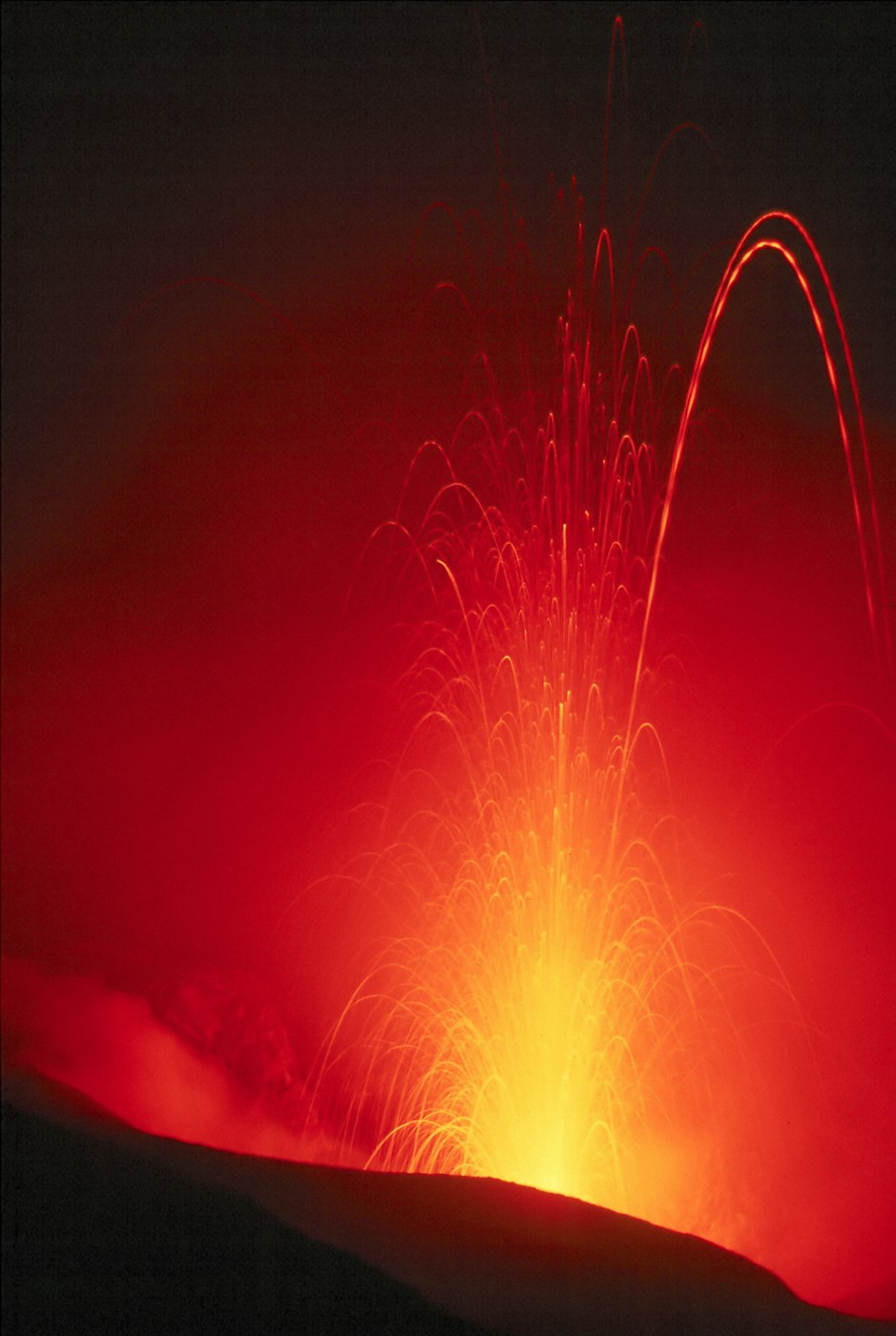
Stromboli is the Aeolian draw most particular to August. The volcano (924 m) erupts continuously at low intensity — the Strombolian eruption type is named after it — and from late July through September, evening lava bursts are visible from the sea every 10-20 minutes after sunset. The classic August move is a sunset boat tour out of Lipari, Salina, or Stromboli marina (€30-50 per person, 4-5 hours, returning to port around midnight): the boats sail along the Sciara del Fuoco — the volcano’s north-west flank where lava flows reach the sea — for the full show. Summit hikes have been capped at 400 m altitude since the 2019 enforcement (was 924 m before, suspended after fatal eruption events); guided dusk hikes to the 400 m platform run €25-30, weather-permitting.
Where to base: Lipari is the largest island and the easiest to reach as a day-trip from the mainland (or from Catania via the seasonal direct hydrofoil); it has the most accommodation and the historic centre with the Castle and the Aeolian Archaeological Museum. Salina is greener and quieter, a 15-minute hop from Lipari, with Malvasia DOC vineyards and the Mediterranean tradition of capers — the setting of Il Postino (1994). Vulcano is the closest island to Milazzo (45 minutes by hydrofoil) and the easiest day-trip, with mud baths, sulfur fumaroles, and the Gran Cratere hike at 391 m. Panarea is the most exclusive and expensive — luxury rentals, no cars, the dammusi white-cube architecture; book 2-3 months ahead. Stromboli island itself, for those who want to wake up under the volcano: small village, black-sand beach, dinner at sunset facing the Sciara del Fuoco. Filicudi and Alicudi are the outer two islands, hardest to reach but quietest — good for a 2-3-day disconnect.
Beating the heat: Madonie, inland and altitude
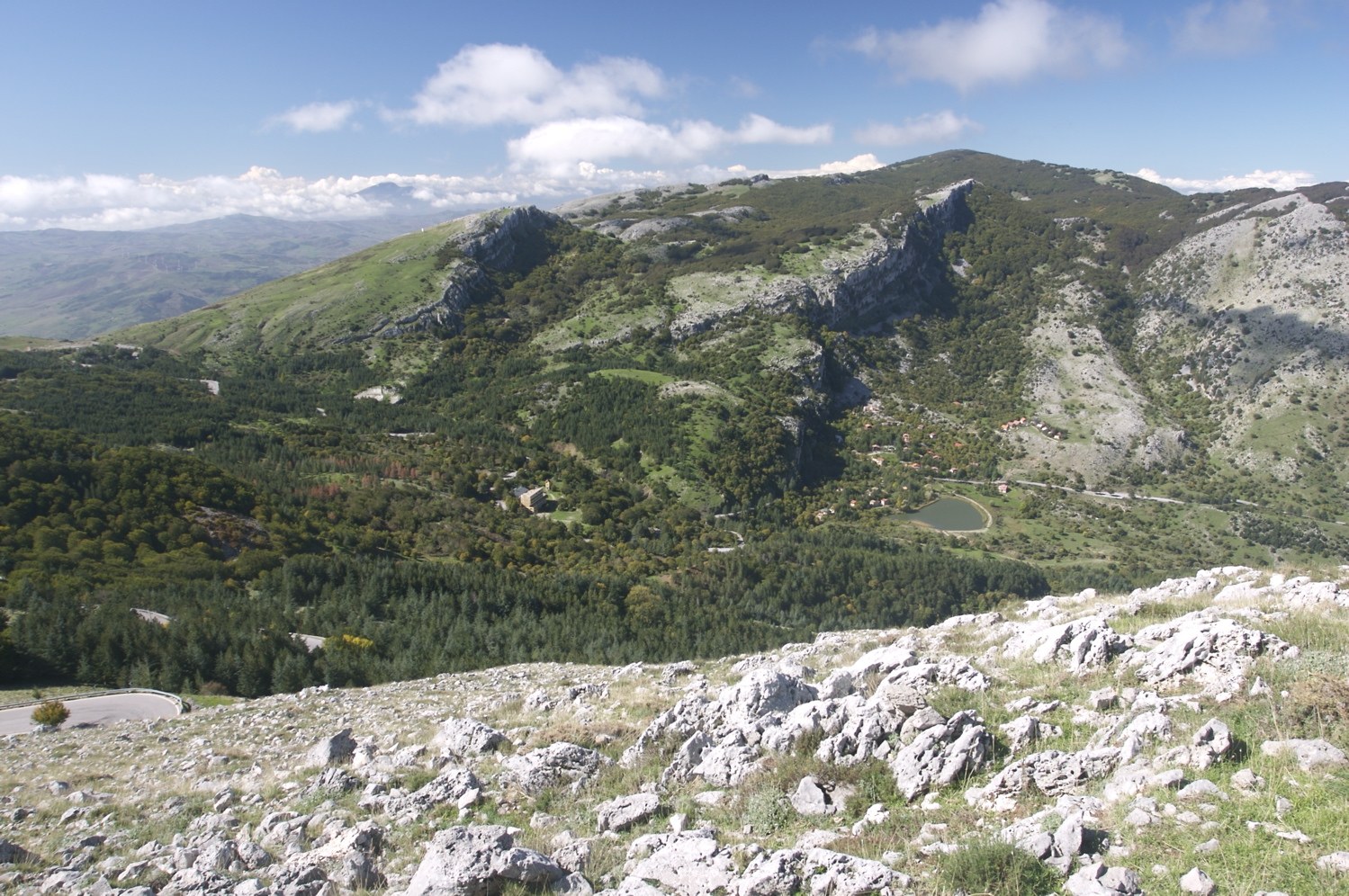
When the coastal cities sit at 32°C and the southern interior reaches 36°C, the reliable summer escape is altitude. The Madonie Mountains (700-1.000 m towns, 6-8°C cooler than the coast), the Nebrodi range (similar altitude further east), Etna’s mid-altitude (Linguaglossa 535 m, Nicolosi 700 m, Sapienza 1.910 m), and the inland baroque towns at higher elevation all offer measurable temperature relief.
MoritzP · CC BY-SA 2.0
The Madonie are the strongest single inland option. The UNESCO Geopark covers ~40.000 hectares of mountain terrain north of Palermo, with hilltop villages — Petralia Sottana (1.000 m), Petralia Soprana (1.147 m), Polizzi Generosa (917 m), Castelbuono (423 m), Geraci Siculo (1.077 m), Gangi (1.011 m) — that maintain 24-28°C through August days and drop to 16-19°C overnight. Pizzo Carbonara, the highest summit at 1.979 m, has well-marked summer hiking trails through beech-and-fir forest. The villages still serve full restaurant service through Ferragosto (small towns close in coastal Sicily, but they re-open as residents move from Palermo and Cefalù to their inland summer houses). A two-night base in Castelbuono with day-trips to Cefalù coast and to the higher Petralie pairs unusually well in August.
The Nebrodi Mountains further east cover the territory between Capo d’Orlando and Etna’s north flank, with similar altitude and cooler temperatures. Towns like San Marco d’Alunzio, Mistretta, Cesarò, and the Nebrodi National Park are quieter than the Madonie and largely undiscovered by international visitors. The Iblei plateau south-east of Catania (700-900 m around Buccheri, Vizzini, Palazzolo Acreide) is similarly cooler than the Val di Noto coast and serves as an inland base for a slow trip combining Ragusa, Modica, Noto, and Syracuse without sleeping at sea level.
For Catania-based travellers the easiest single-day altitude move is Etna: drive up to Rifugio Sapienza (1.910 m) for lunch in the morning, walk the Silvestri craters in the afternoon, and be back in Catania for sunset. The Sapienza area runs 18-22°C in the day in August — a 12°C drop from Catania’s 32°C.
Beaches and sea: where Sicilians swim in August
Sea temperature 26-28°C across the whole island in August — peak warmth of the year, sustained for the full month. The most photographed beaches (San Vito Lo Capo, Cefalù, Mondello, Isola Bella Taormina, Aci Trezza) are packed but worth the experience; the long urban stretches (La Plaja Catania, Marina di Ragusa, Pozzallo, Eraclea Minoa) absorb the crowds; the Aeolian beaches (Spiaggia Bianca on Lipari, Pollara on Salina) are the most cinematic. Cold-water relief at Aci Trezza and Capo Schisò: cooler currents from the Ionian, water 24-25°C in the few rocky-coast inlets.

Lost passenger · CC BY-SA 4.0
The picks by region:
- East coast (from Catania). La Plaja Catania (4 km black-sand, urban lidos), Aci Trezza (rocky basalt + Faraglioni), Aci Castello cove, Santa Tecla rocks (Acireale), Capo Mulini, Letojanni below Taormina, Isola Bella Taormina (rocky peninsular, swimmable, ticketed nature reserve), Fontane Bianche south of Syracuse (white sand, shallow), Marina di Avola. Full access guide: best beaches near Catania.
- South coast. Eraclea Minoa (long sand backed by pine forest), Marina di Ragusa, Punta Secca (the Inspector Montalbano TV beach), Sampieri, Pozzallo. Long sand, fewer rocks, sea slightly warmer than the east coast.
- North coast. Cefalù old-town beach (iconic, packed), Mondello (Palermo’s beach, family-heavy), Capo Zafferano, Castel di Tusa, Capo d’Orlando.
- West coast. San Vito Lo Capo (3 km Caribbean-blue crescent), Riserva dello Zingaro (a 7-km coastal nature reserve with small cove beaches accessible only on foot), Scopello (rocky-coast tonnara hamlet), Cala Mosche near Erice, Lo Stagnone Marsala (windsurfing flat lagoon).
- Aeolian beaches. Spiaggia Bianca on Lipari (white pumice from old quarries), Pollara on Salina (the Il Postino bay), Cala Junco on Panarea, Sabbie Nere on Vulcano (black volcanic sand).
The lidos (paid beach clubs with sun-loungers, umbrellas, bar, restaurant) operate at full daily capacity through August. Rates: typically €15-25 per day for two loungers + umbrella on standard lidos, €40-80 on premium ones (Mondello, Taormina). Free beach (spiaggia libera) sections exist on every main beach by law — usually at the ends, smaller, but free access. Bring your own umbrella and arrive by 9am to find space.
Best places to visit in Sicily in August
A Catania-anchored August trip can reach Aci Trezza for the Madonna della Catena, Etna for the summit window, the Aeolian Islands via the seasonal direct hydrofoil, Taormina for the Greek Theatre concerts, Syracuse-Ortigia for evening culture, Noto and the Val di Noto baroque circuit at sunset, and Piazza Armerina for the Palio — all within a 2-hour radius from a single base. Below, the shortlist of August’s strongest destinations.
- Catania. East coast base, August avg day 32°C / sea 27°C. Pescheria fish market closed 13-19 August (Ferragosto week); the seafront in San Giovanni Li Cuti, Ognina, and Aci Trezza stays alive through Ferragosto. La Plaja beach 4 km of black sand, packed weekends.
- Aci Trezza. Fishing village 12 km north, anchor of Madonna della Catena 12-14 August, basalt Faraglioni dei Ciclopi, Verga’s I Malavoglia village, fish trattorie on the seafront.
- Mount Etna. Active volcano 3.357 m, optimal August summit window — snow zero, summit air 5-15°C, low wind, cable car + jeep + summit guide all on full schedule.
- Aeolian Islands. Lipari (largest, San Bartolomeo 24 August), Vulcano (mud baths, fumaroles), Stromboli (active volcano evening eruption), Salina (Malvasia, Il Postino), Panarea (luxury). August peak: book hydrofoil + accommodation 2-3 weeks ahead.
- Madonie Mountains. Inland UNESCO Geopark north of Palermo, towns Petralia Sottana / Polizzi Generosa / Castelbuono at 700-1.000 m, 6-8°C cooler than the coast.
- Taormina. Greek Theatre + Etna view from Piazza IX Aprile, Taormina Arte Festival concerts, Corso Umberto pedestrian, Isola Bella beach swimmable. Very crowded August 10-25, book 4-6 weeks ahead.
- Palermo. Cathedral, Cappella Palatina, Ballarò + Vucciria + Capo markets, August avg day 30°C, Mondello beach 12 km. Slightly less crowded than east-coast resorts.
- Syracuse / Ortigia. Greek archaeological park, Ortigia 1.2 × 0.7 km island, Apollo Temple + Duomo + Fonte Aretusa, evening concerts and night-time strolls on the seafront.
- San Vito Lo Capo + Riserva Zingaro. West-coast Caribbean-blue beach + nature reserve hiking, August packed but big enough.
- Cefalù. Norman Cathedral UNESCO mosaics, La Rocca summit hike (cooler if early-morning), beach in front of old town.
- Piazza Armerina. Central Sicily town, Palio dei Normanni 12-14 August medieval pageant, gateway to Villa Romana del Casale UNESCO Roman mosaics.
- Messina. La Vara 13-15 August + Giants 13-14 August + Astronomical Clock noon at Duomo, ferry hub to Italian mainland Reggio Calabria.
- Agrigento + Valley of the Temples. UNESCO 8 Greek temples, August day-temps 33-36°C — visit at 7am opening or 7pm sunset session, Pirandello Festival concurrent.
Things to do in Sicily in August
Anchor your week on one or two of the festival weekends (12-14 August Aci Trezza + Palio + Vara, or 24 August San Bartolomeo Lipari), and build the rest around heat-aware activities: Etna at altitude, Aeolian boat days, sunset beach evenings, museums in air-conditioning during the midday peak.
- Festival weekend. Pin one of the August anchors (Madonna della Catena Aci Trezza 12-14 · Palio Piazza Armerina 12-14 · Vara di Messina 13-15 · Ferragosto 15 · San Bartolomeo Lipari 24) and shape the week around it.
- Etna at altitude. Half-day at Sapienza or Provenzana, walking the Silvestri craters at sunrise, cable car to 2.500 m for non-hikers — a useful 2-3 hour midday escape from coastal heat.
- Aeolian day-trip or short stay. Catania → Milazzo → Lipari (or seasonal direct Catania-Lipari hydrofoil), one full day on Lipari with optional Vulcano stop, or a 2-3 night stay across Lipari + Salina + Stromboli.
- Stromboli sunset boat. 4-5-hour evening sail along the Sciara del Fuoco, lava bursts visible every 10-20 minutes after sunset, returning by midnight.
- Sunset Greek temple visit. Valley of the Temples Agrigento — 7-9pm sunset ticket, visit cools below 30°C, the late light on the sandstone is the best of the year.
- Pescheria + cooking class Catania (early August). If your dates fall before the 13 August closure, the historic fish market is at peak summer abundance — swordfish, sardines, alalunga tuna, prawns. Cooking classes around arancini, pasta alla Norma, granita work especially well in August. See our things to do in Catania guide.
- Madonie or Iblei mountain weekend. Two nights in Castelbuono or Buccheri, hiking trails in the morning, lunches in the cool of the inland villages, dinner outdoors.
- Taormina Arte concert. Late-afternoon train to Taormina, Greek Theatre concert at sunset, dinner on Corso Umberto, return next morning. Book the headline acts 2-3 months ahead.
- Self-drive coastal stretch. SS114 Catania → Aci Trezza → Acireale → Taormina with stops at La Plaja, Capo Mulini, Riposto. August light particularly intense for photographs of the basalt coast at golden hour.
- Aci Trezza fish dinner + Faraglioni evening. Sunset on the Lungomare, dinner at one of the fishermen-family trattorie, swim from the rocks at dusk when the temperature finally drops.
For a longer trip framework, our 7-day Sicily itinerary works in August with the Aeolian or Etna day folded in. For the broader summer picture our Sicily in September guide covers the cooler shoulder window and our Sicily travel guide sits one level above as the orientation hub.
What to wear and pack for Sicily in August
Light, breathable cotton or linen — t-shirts, light long-sleeve for sun cover, a fleece reserved for Etna altitude only, plus comfortable walking shoes for cobblestones, full sun protection, and beach kit. Hat and refillable water bottle non-negotiable.
Coastal day temperatures of 30-32°C feel manageable in shade and sea breeze and intolerable in direct sun for more than 30-40 minutes. Inland and southern Sicily at 33-36°C is genuinely hot. The pragmatic kit:
- Light breathable layers. Cotton or linen t-shirts and trousers, light long-sleeve shirts to protect from sun (especially on archaeological sites without shade). Avoid synthetic fabrics that trap heat.
- Comfortable walking shoes. Cobblestones in Noto, Modica, Ragusa Ibla, Ortigia, Lipari old town, Cefalù old town. Sandals with grip work well in summer; trainers fine for hiking.
- Sun protection — non-negotiable. Sunscreen SPF 30-50, wide-brimmed hat or cap, sunglasses with UV protection. UV index 9-10 in August.
- Refillable water bottle. Public fountains in Catania (Piazza Università, Villa Bellini), Syracuse (Ortigia squares), Palermo (Quattro Canti), and any Sicilian piazza will fill it. Aim for 2-3 litres a day.
- Beach kit. Swimwear, quick-dry towel (microfibre packs small), beach umbrella if you plan free beach access, beach shoes for rocky entries (Aci Trezza, Lipari Spiaggia Bianca, Cala Mosche).
- Light fleece + windproof shell — Etna only. Take only if you plan an Etna day. Summit at 3.357 m can hit 5°C even in August; the cable car upper station at 2.500 m is windy.
- Light cardigan or shawl for evenings. Coastal evenings stay warm at 23-26°C, but air-conditioned restaurants run cold and a light layer is useful.
Skip: heavy clothing, full rain jacket (rain probability is essentially zero), umbrellas, ski gear, jeans (uncomfortable in 32°C heat).
How much does a Sicily August trip cost?
August sits at the absolute peak of the Sicilian price calendar: 50-100% above shoulder months on accommodation, ~60% above on flights, ~80% above on car rental. A 7-night trip from Northern Europe with mid-range comfort runs roughly €1.300-1.900 per person, ex-flights — about double the same trip in May or October.
| Item | August peak | May / October shoulder | Surge |
|---|---|---|---|
| Return flight UK/IE → Catania | €220-380 | €110-180 | ~60% |
| Apartment central Catania (per night) | €180-300 | €70-110 | ~80% |
| Hotel Taormina sea view (per night) | €280-450 | €140-220 | ~60% |
| Aeolian island accommodation (Lipari, per night) | €180-350 | €60-110 | ~150% |
| Car rental compact (per day) | €55-85 | €30-40 | ~80% |
| Mid-range dinner per person | €30-45 | €25-35 | ~20% |
| Funivia Etna cable car round trip | €50 | €50 | — |
| Hydrofoil Milazzo-Lipari single | €23 | €23 | — |
Prices indicative — flight and accommodation rates fluctuate week-to-week and peak around 10-25 August. The cheapest weeks within August are the first week (1-7, before the Italian holiday wave) and the last week (25-31, after Ferragosto). The most expensive single week is 10-17 August (Ferragosto + Vara + Aci Trezza + Palio overlapping).
Where to stay in Sicily in August
Catania makes the strongest single base for a Catania-and-east-coast August trip — Madonna della Catena Aci Trezza 20 minutes north, Etna summit 1 hour west, Aeolian seasonal direct hydrofoil from the port, Taormina 50 minutes north for the Greek Theatre concerts, Syracuse-Ortigia 1 hour south for evening culture, Noto and the Val di Noto 1 h 30 south. For a more island-wide week, split a stay between Catania (3-4 nights) and Lipari (3-4 nights) on the Aeolian.
From a single Catania apartment you can pin Aci Trezza on the evening of 14 August with a 20-minute drive, day-trip Etna in the morning of any day, take a 2-day Aeolian short stay mid-week via the seasonal direct hydrofoil, and weekend out to Taormina or Noto. Catania-Fontanarossa airport is 7 km from the centre and serves direct UK summer flights from London (LGW, STN, LTN), Manchester, Edinburgh, Bristol, Birmingham, plus Dublin, Frankfurt, Munich, Vienna, Zurich, Amsterdam.
For three central units in the heart of Catania’s historic district, see our apartments in Catania.
August is also a strong month for a Sicily family holiday — sea at peak warmth, school holidays aligned, fewer site-visit demands. See our Sicily family holiday guide for areas, day trips, and family-friendly logistics. For couples, the Sicily honeymoon guide covers the August window with the Aeolian and Etna pairings.
For the months immediately before the August peak see our Sicily in June guide (early-summer shoulder, Taormina Film Festival, swimming season opening) and our Sicily in July guide (Festino di Santa Rosalia 14-15 July, Etna optimum summit, sea 24-26°C — less heat and fewer crowds than August).
Frequently asked questions
How hot is Sicily in August?
August is the hottest month of the year in Sicily. Coastal cities (Catania, Palermo, Taormina, Syracuse) average 28-32°C by day and 21-24°C at night; the south coast and inland southern areas (Agrigento, Caltanissetta, Enna) reach 33-37°C. Sirocco winds from North Africa push peaks to 40-42°C for one or two days at a time, typically in mid- to late August. Sea temperature stabilises around 26-28°C all month — the warmest of the year. UV index reaches 9-10. Altitude relief: Etna summit at 5-15°C, Madonie villages 24-26°C, Etna’s Sapienza station at 1.910 m around 18-22°C.
Is Sicily too hot in August?
Honest answer: it depends on how you plan. The coast at 30-32°C is comfortable in shade and sea breeze, fine for beach days and evenings. Archaeological sites at 33-36°C without shade (Valley of the Temples, Selinunte, Segesta, Villa Romana del Casale) are punishing in the middle of the day but rewarding at the 7am opening or the 6pm sunset visit. Inland southern Sicily and the Val di Noto interior at 35-37°C is genuinely hot. The reliable strategy: base on the east coast or in a hilltop Madonie or Iblei village, do altitude visits at midday, do beach and seafront in the late afternoon, and dine outdoors after 21:00 when the heat finally drops.
Is August or September better for Sicily?
September is the better month for most travellers — same sea temperature (still 25-26°C), 4-5°C cooler air (26-29°C coast vs 30-34°C in August), school crowds gone after the first week of September, accommodation prices 25-40% lower, full festival calendar continuing (Cous Cous Fest in San Vito Lo Capo, Etna DOC harvest, Festa di Sant’Elia). August wins only if you specifically want Ferragosto, the Vara di Messina, the Palio dei Normanni, or the Madonna della Catena in Aci Trezza — five festival anchors that don’t exist in September. See our Sicily in September guide for the full cooler-month case.
What should you avoid in Sicily in August?
Avoid open-air archaeological sites in the middle of the day (12-16:00) — the Valley of the Temples, Segesta, Selinunte, Villa Romana del Casale all reward an early-opening or late-afternoon visit. Avoid driving long distances in the midday heat: rental cars without good A/C struggle, autostrade get stuffy. Avoid expecting Pescheria Catania or small family trattorie to be open during the Ferragosto week (typically 13-19 August): plan for lidos, seafront restaurants, and bigger establishments. Avoid Aeolian travel without booking ferries and accommodation 2-3 weeks ahead. Avoid the lidos at midday on Ferragosto without a pre-paid sun-lounger reservation. And avoid sirocco days without a backup plan: those one or two days a month above 38°C are best spent in air-conditioned museums, not on the road.
Is Sicily expensive in August?
Yes — August is the peak of the Sicilian price calendar. Apartment rates in central Catania, Taormina, Palermo run 50-100% above shoulder months. Aeolian island accommodation triples its September rates. Flights from Northern Europe to Catania or Palermo run ~60% above October prices. Car rentals up ~80%. Restaurants raise prices by 15-25% on coastal towns and in Taormina specifically. The price structure rewards anyone who can shift even a week earlier (end of July, still less crowded) or two weeks later (mid-September, prices fall by a third). A 7-night Catania-based August trip with mid-range comfort runs roughly €1.300-1.900 per person ex-flights, about double the May or October equivalent.
What to wear in Sicily in August?
Light breathable cotton or linen — t-shirts and short-sleeve shirts, light trousers or dresses, comfortable walking shoes (sandals with grip for the daytime, trainers for hiking), and full sun protection (SPF 30-50, wide-brimmed hat, sunglasses). Beach kit (swimwear, quick-dry towel, beach shoes for rocky entries). A refillable water bottle — public fountains throughout the cities. Light cardigan for air-conditioned restaurants and Etna altitude. If you plan an Etna summit visit, add a fleece and windproof shell — summit at 3.357 m can hit 5°C even on hot days. Skip jeans (uncomfortable at 32°C), heavy clothing, full rain gear (rain probability essentially zero), umbrellas, ski gear.
Where is the nicest part of Sicily to stay in August?
The east coast around Catania is the most balanced base: mild sea breeze in the city, fast access to Etna for altitude relief, the Aeolian seasonal direct hydrofoil from the port, the Madonna della Catena Aci Trezza on the doorstep, and Taormina-Syracuse-Noto all within 1-1.5 hours. For a more luxurious August, Taormina’s hilltop position picks up more breeze than the coastal cities and pairs with the Greek Theatre concerts. For a complete escape from urban heat, base in a Madonie village (Castelbuono or Petralia Sottana) or on Salina in the Aeolian Islands. The Aeolian and Taormina options come at a 100-150% accommodation premium versus Catania.
Can you swim in Sicily in August?
Yes — sea temperature reaches 26-28°C all month across the whole island, the warmest water of the year. The east coast (La Plaja Catania, Aci Trezza, Fontane Bianche, Isola Bella Taormina), south coast (Eraclea Minoa, Marina di Ragusa, Punta Secca), north coast (Cefalù, Mondello), and west coast (San Vito Lo Capo, Riserva Zingaro) all run beach lidos at full daily capacity. Aeolian beaches (Spiaggia Bianca on Lipari, Pollara on Salina) are at peak. Free beach (spiaggia libera) sections exist on every beach by law — usually at the ends, smaller, but free.
The information in this guide was correct at the time of writing. Data can change from season to season without notice: before you travel, always check the official channels and websites for updates. We review this guide periodically, but the official channels are always the authoritative source. We also cannot guarantee that the suggested routes or the attractions described are always reachable or accessible: roads, trails and sites may be closed, damaged, altered or unsafe. Assessing the practicability and safety of itineraries and attractions always remains your own responsibility.