
Planning a Catania holiday? Sicily’s second city sits on the east coast at the foot of Mount Etna, Europe’s largest active volcano, with a baroque old town rebuilt in black lava stone after the 1693 earthquake. It’s a UK-friendly holiday base thanks to direct flights into Catania-Fontanarossa airport (CTA, 7 km south of the centre), a walkable UNESCO-listed old town, and day-trip reach of Taormina, Syracuse and Etna’s craters. This guide, written by La Redazione — our Catania-based editorial team — covers highlights, practical tips and where to stay for a confident first trip.
Why Catania makes a brilliant holiday destination
lewispb · CC0 (Public Domain)
A Catania holiday packs more than most Sicilian city breaks: a UNESCO-listed baroque centre, Europe’s most active volcano a 40-minute drive away, a working fish market at 7 am, sandy beaches inside the city limits, and the kind of neighbourhood trattorie where a Sicilian wine list costs less than a London pint. It’s less polished than Taormina and less sprawling than Palermo, which is exactly the appeal.
Four reasons this works as a UK holiday base. First, Catania is an Etna day-trip hub: the Rifugio Sapienza cable-car station is 45 km from Piazza Duomo. Second, the old town is compact and walkable; you won’t need a car for the first three days. Third, the food is Sicily’s most authentic — arancini, pasta alla Norma and granita are Catania inventions. Fourth, UK direct flights from Jet2, easyJet, Ryanair, TUI and BA run year-round, with fares often under £120 return in shoulder season.
Is Catania a good holiday destination?
Yes, Catania is an excellent holiday destination for culture-first travellers, foodies, Etna enthusiasts and independent city-breakers. It’s not a traditional beach-resort town, and that’s exactly why it rewards visitors who want an authentic Sicilian city alongside day trips to Taormina, Syracuse and Etna’s craters. Expect baroque streets in black lava stone, a Unesco-listed historic centre, and a working fish market that sets the pace of daily life.
It’s the right pick if you want: a cultural city break with volcano views, a walkable old town, great food at honest prices, and reliable UK direct flights. It’s the wrong pick if you want: an all-inclusive beachfront resort, manicured tourist polish, or a place where English is the default language. Catania is loud, lived-in and proud of it. If that sounds like your kind of trip, you’ll love it.
Common first-time concerns — chaotic traffic, graffiti in parts of the centre, a reputation for pickpockets at the fish market — are all real but manageable with a little awareness. Most visitors come back saying it’s more rewarding than Palermo and more genuine than Taormina. Still on the fence? Our honest take on whether Catania is worth visiting weighs the pros and cons in detail. For a deeper dive on what to see, our things to do in Catania guide runs through the 10 classic highlights.
Why is Catania called the black city?
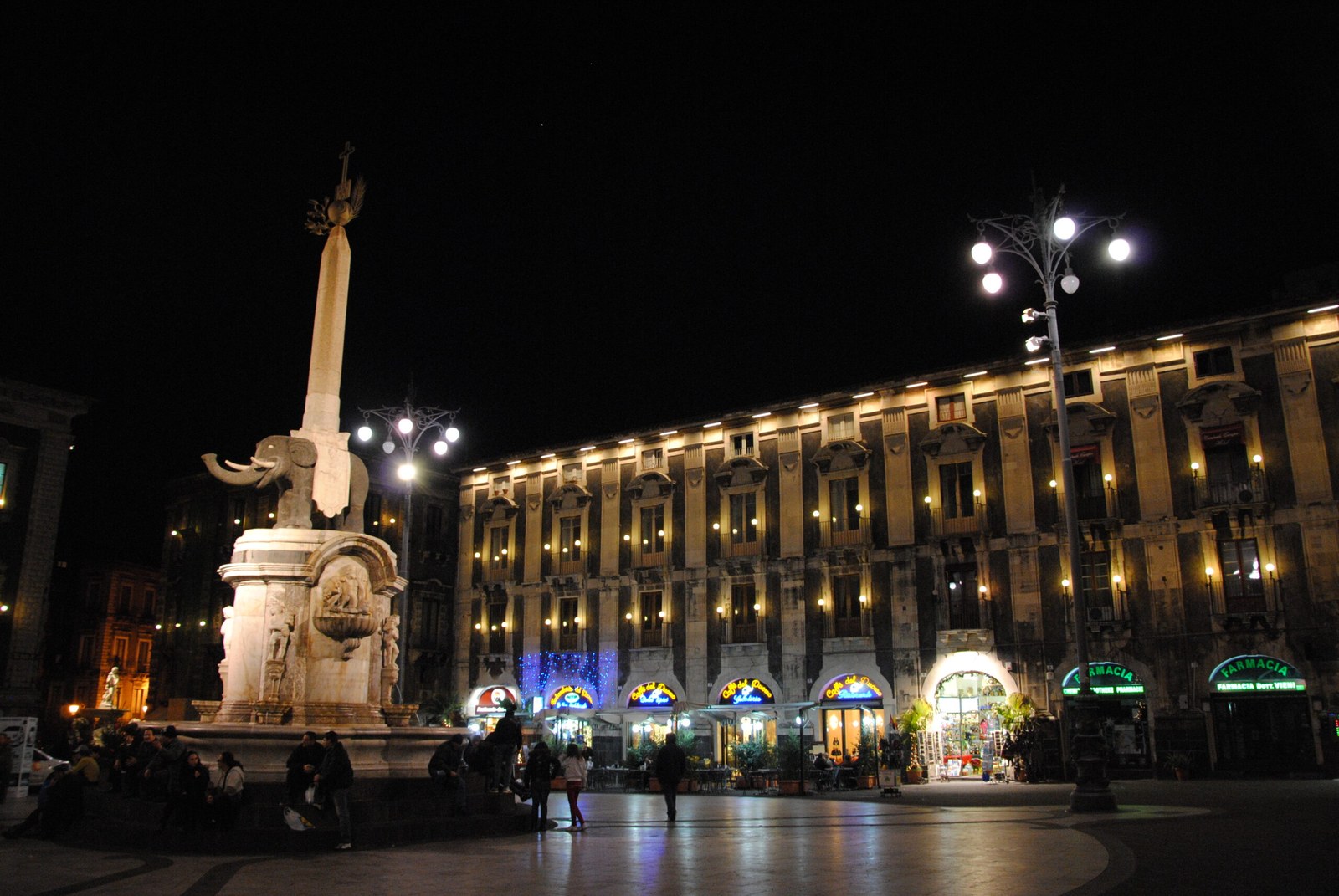
Catania is called the black city because it’s literally built from black volcanic rock. After Mount Etna’s catastrophic 1669 eruption buried parts of the city in lava, and the 1693 Val di Noto earthquake levelled what was left, Catania was rebuilt using pietra lavica — the hard, dark basalt that flows from the volcano. Today that stone paves the streets, frames palace doorways, supports Baroque cathedrals and sculpts the Liotru elephant fountain in Piazza Duomo.
The 1669 eruption was the longest in recorded history: lava flowed for 122 days and reached the sea near the castle, extending the coastline by 800 metres. Twenty-four years later, the 11 January 1693 earthquake destroyed Catania and forty-four other Sicilian towns, killing an estimated 60,000 people. The rebuild — led by architect Giovanni Battista Vaccarini — mixed white limestone with local black basalt for contrast, and the result is the Baroque signature you see today on Catania Cathedral, Via Crociferi and Via Etnea.
Look for the basalt cues as you walk. The cobblestones of Piazza Duomo, the stepped plinth of the Liotru (a Roman-era basalt elephant topped with an Egyptian obelisk), the soot-dark columns of Castello Ursino, and the staircase of the Monastero dei Benedettini are all carved from Etna’s lava. It’s the reason UNESCO inscribed Catania’s historic centre as part of the Val di Noto Late Baroque Towns list in 2002 — the city is a monument to its own destruction and rebirth.
Leandro Neumann Ciuffo · CC BY 2.0
Key highlights & activities
Etna is the headline day-trip on most Catania holidays, and the same is true for cruise calls — see our Catania cruise port guide for shore excursion options. Our Mount Etna hike guide walks through the AST bus from Catania, the Funivia dell’Etna cable car, the difference between the south (Rifugio Sapienza) and the north (Piano Provenzana), and when a guided summit tour is genuinely worth the extra cost.
Catania’s highlights cluster inside a 20-minute walk of Piazza Duomo, with Mount Etna and the coast within an easy half-day trip. Ten experiences below cover the essentials for a first Catania holiday — from the baroque old town walk to the volcano’s south crater, the fish market at dawn, and the sandy beach on the city’s south edge. Each carries a realistic time estimate and a UK-pitched practical note. For a fuller action-led overview, see our guide on what to do in Catania.
Catania old town walking tour
- Location
- Piazza del Duomo, Catania Maps
- Essential fact
- Catania’s main square with the Liotru basalt elephant and Egyptian obelisk, the city’s symbol, fronting the Cattedrale di Sant’Agata.
- Price
- Free
Start at Piazza Duomo, cross the Amenano fountain into the Pescheria fish market, walk Via Etnea north to Villa Bellini park, then loop back via Via Crociferi’s monasteries. Allow 3 hours without stops, 5 with coffee and a granita break. Most sights are free to enter. Our detailed Catania old town walking guide maps a 10-stop route with timings.
Mount Etna day trip
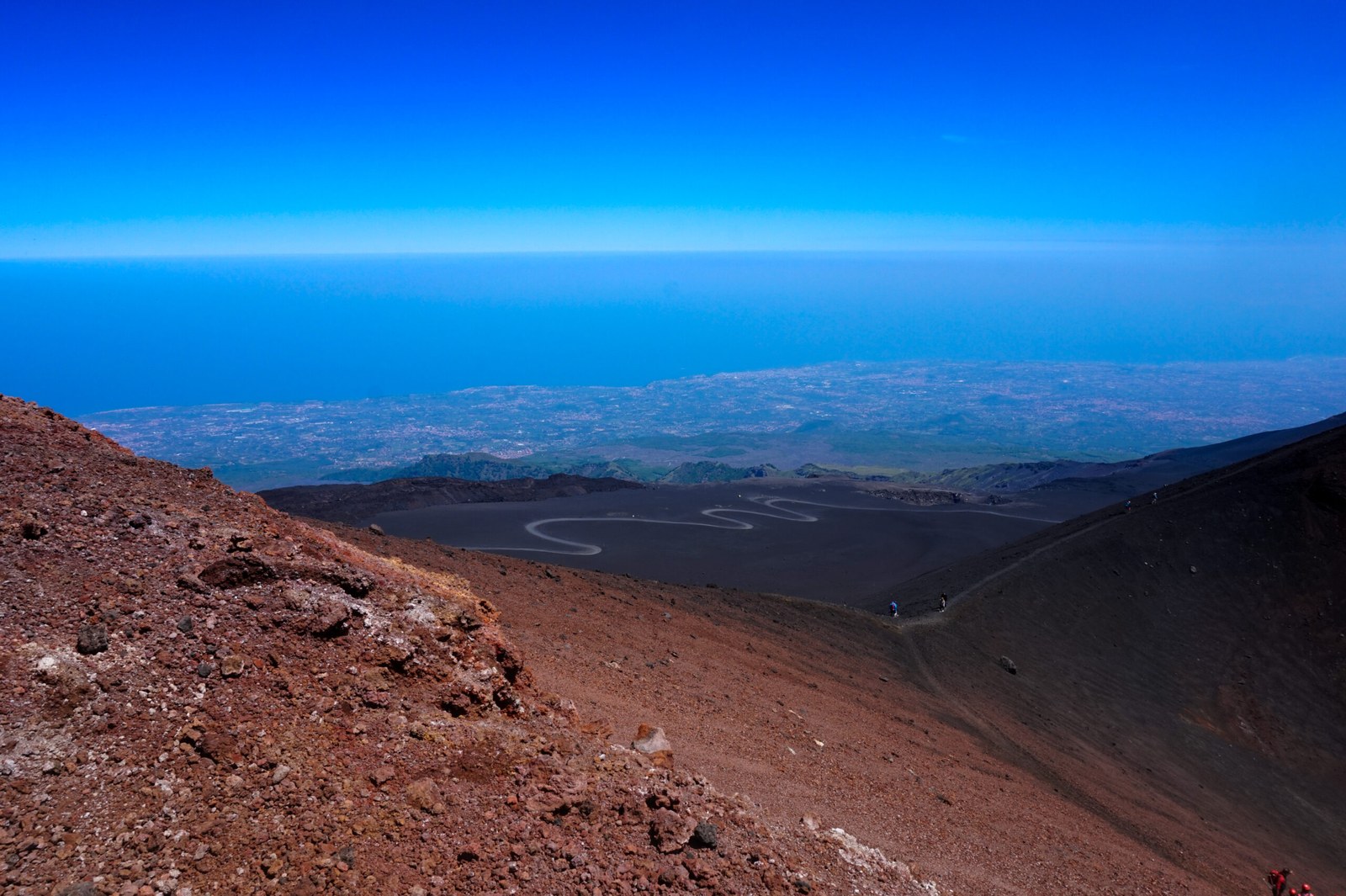
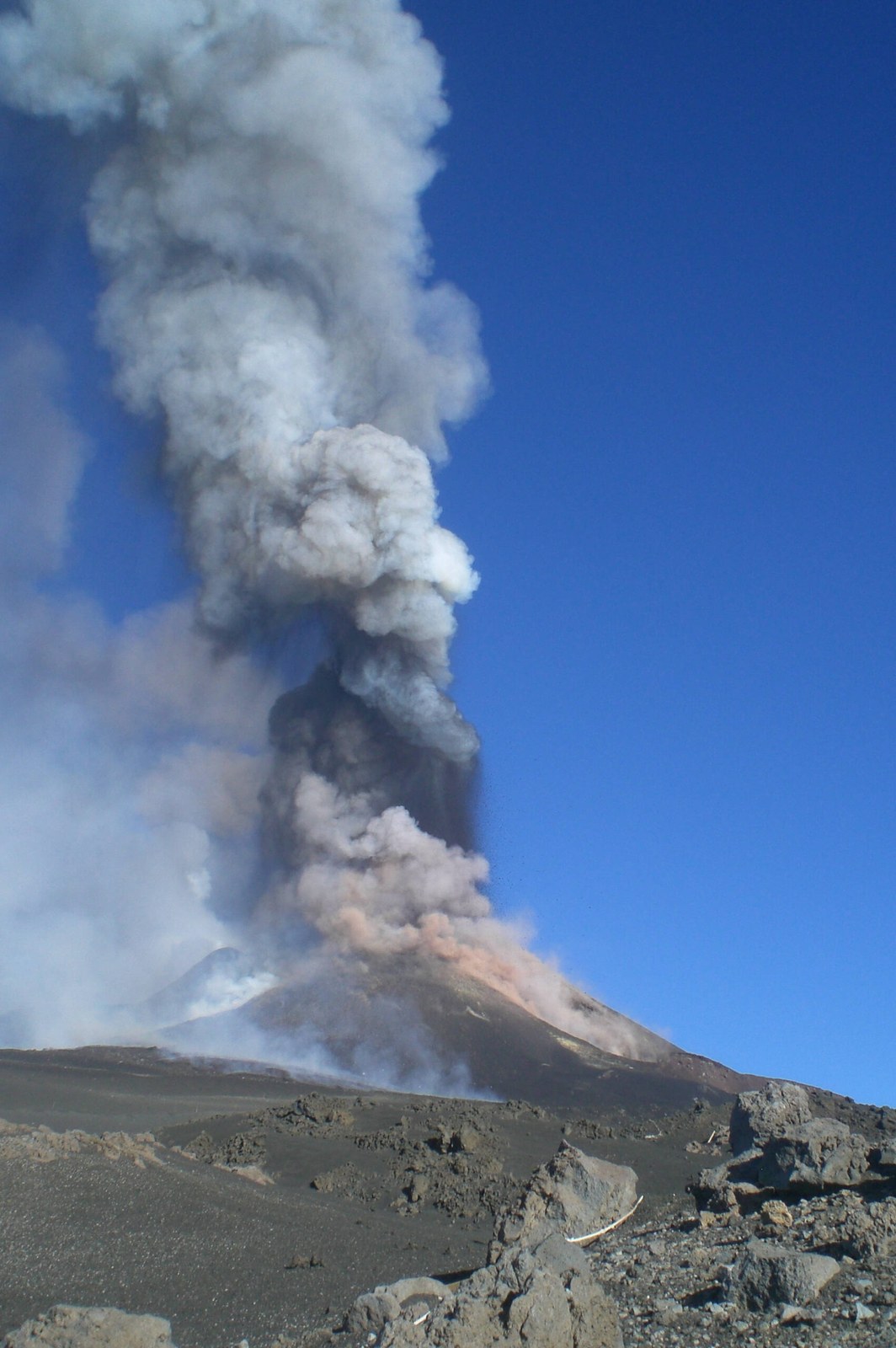
Europe’s largest active volcano (~3,357 m, and growing) is a 45-km drive from Catania. The standard visit goes to Rifugio Sapienza on the south side: cable-car up to 2,500 m (€50 return), then optional 4×4 minibus + guided walk to 2,920 m (€25-35 extra). Spring snow lingers into May. For wine tasting on the slopes see our Sicily wine tours guide.
gnuckx · CC BY 2.0
Pescheria fish market
- Location
- Piazza Alonzo di Benedetto, Catania Maps
- Essential fact
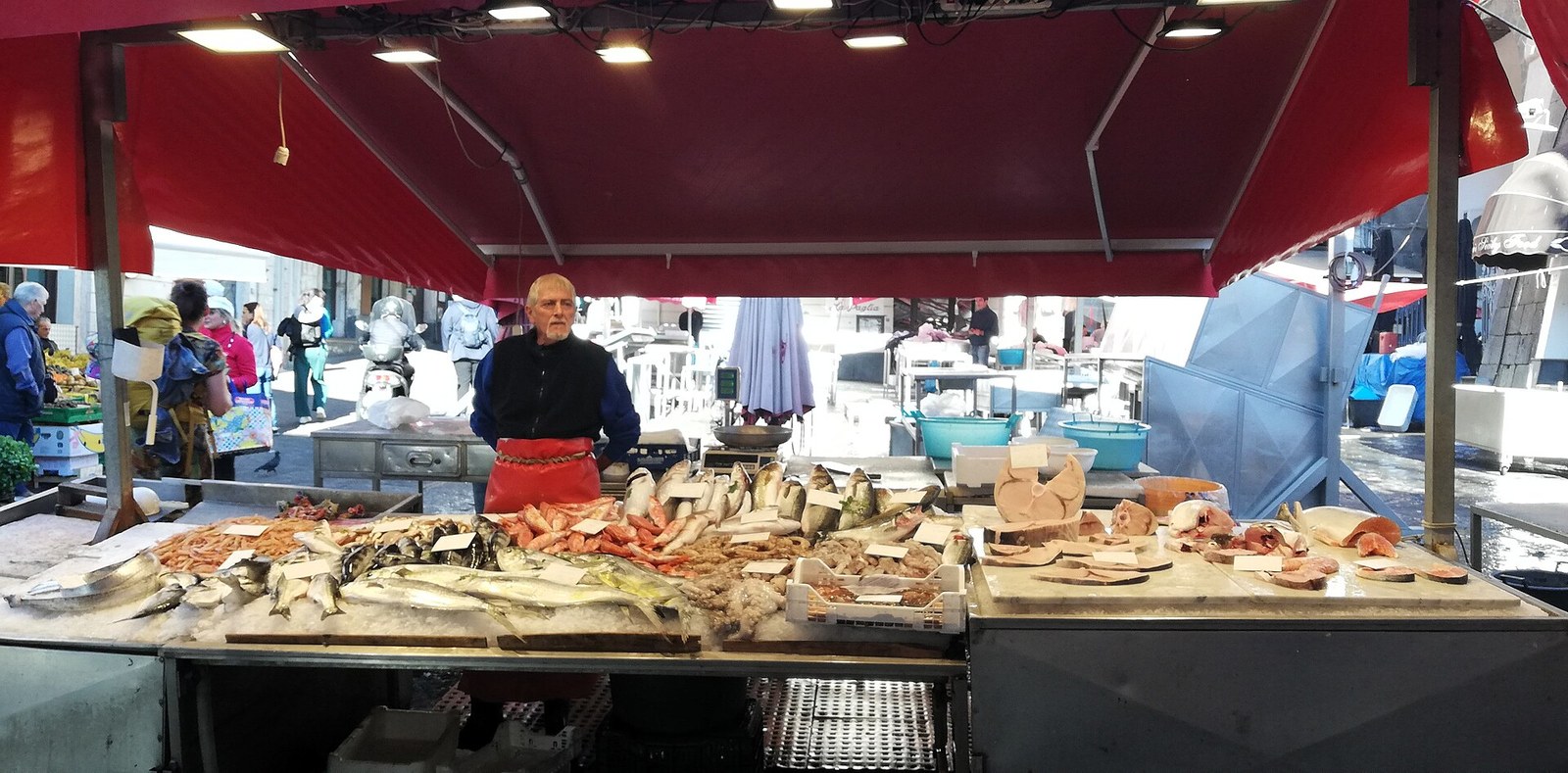
- Catania’s morning fish market under red-and-white awnings in Via Pardo, operating on this spot since the 1800s.
- Price
- Free | €18–28 pp
Catania’s daily fish market runs from just after dawn to early afternoon under red-and-white canvas awnings in Via Pardo, a stone’s throw from Piazza Duomo. It’s a 10-minute sensory overload: shouting vendors, swordfish on ice, octopus still twitching. Arrive by 9 am for peak atmosphere; browsing is free, lunch at a Pescheria trattoria runs £18–28 per head with wine.
Effems · CC0
Catania Cathedral & Via Crociferi
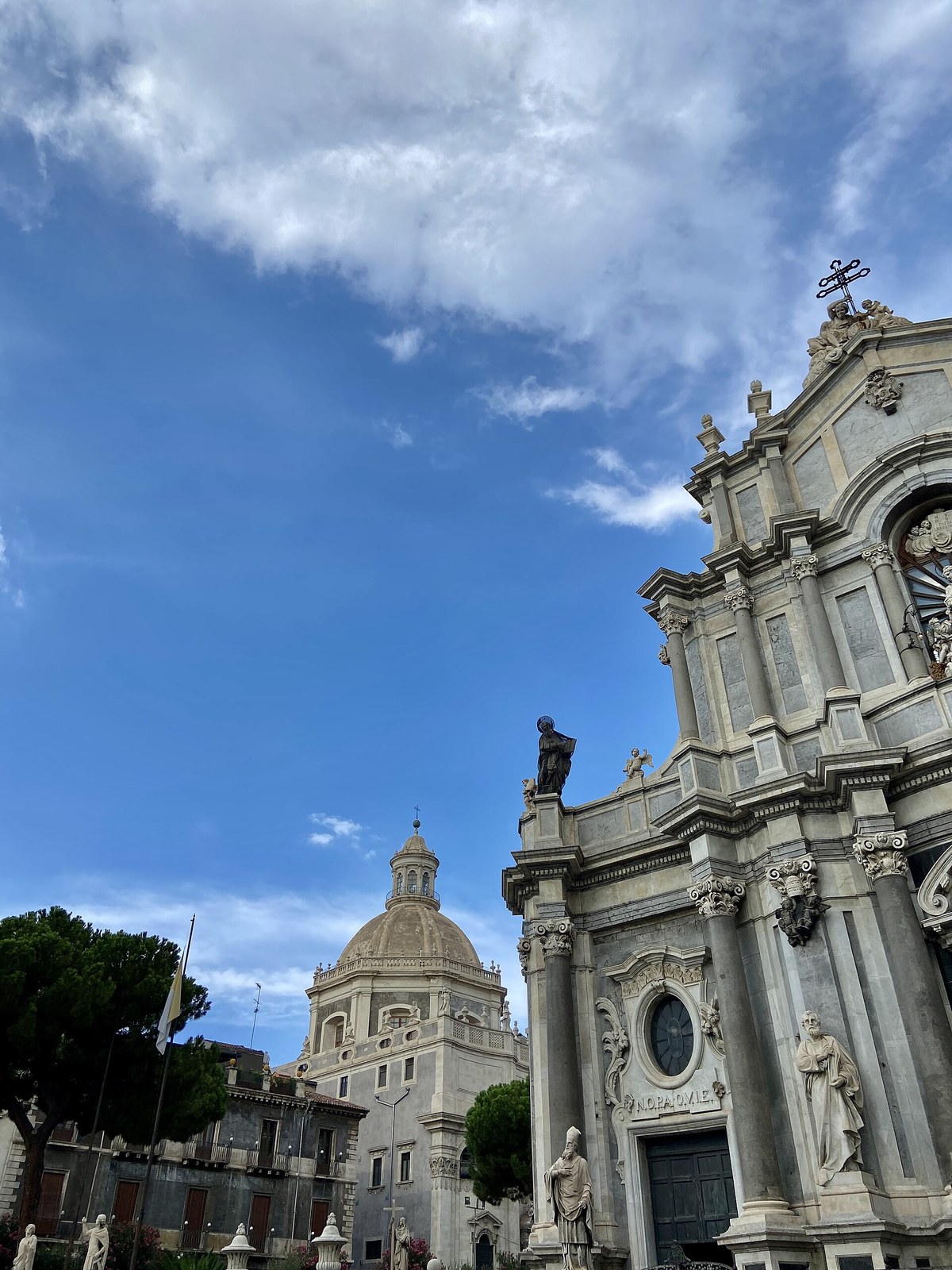
The Cattedrale di Sant’Agata dominates Piazza Duomo with a pale-blue Baroque facade by Vaccarini (1711). Inside, composer Vincenzo Bellini’s tomb sits near the relics of Sant’Agata, Catania’s patron saint. Five minutes north, Via Crociferi is a 200-metre street of four Baroque churches and two convents, all in black-and-white lava-stone contrast. Free entry; donations welcome.
AlMo18 · CC BY-SA 4.0
Castello Ursino & Museo Civico
This 13th-century Hohenstaufen fortress housed Frederick II’s Sicilian court, then survived the 1669 lava flow that moved the coastline 800 m away (you can see where the old water gate is now landlocked). Today it’s the Museo Civico, with a solid collection of ancient Greek vases and Sicilian paintings. Entry €10, 90 minutes. For a detail walk of the nearby churches see our Castello Ursino area churches guide.
La Plaja beach & Aci Trezza day trip
- Location
- Spiaggia della Plaia, Catania, Metropolitan city of Catania Maps
- Essential fact
- 18 km of fine black volcanic sand south of the port, shallow entry and family-friendly; AMT bus 534 from Stazione Centrale.
- Price
- Free (lidos €15–25 per day)
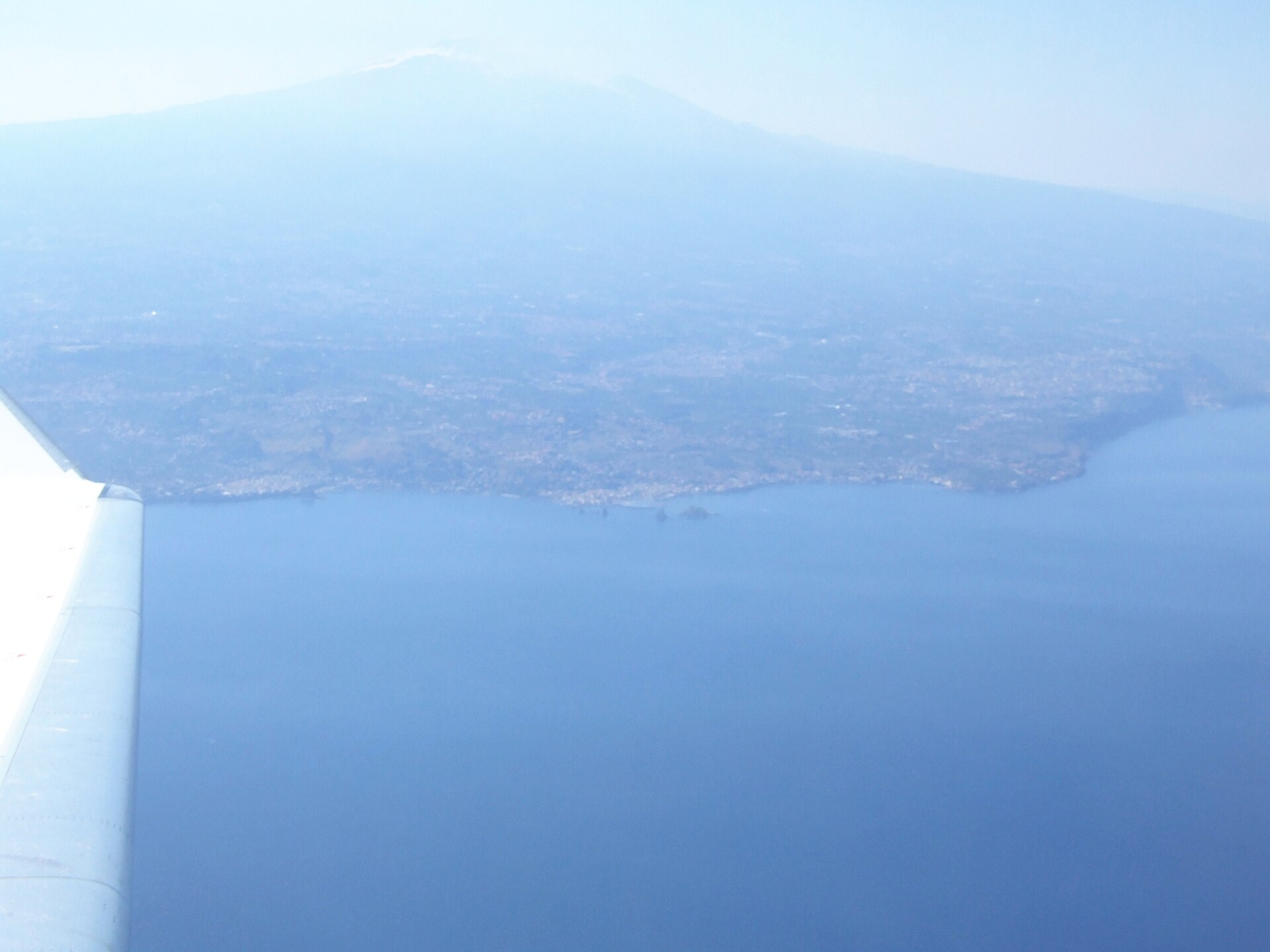
Catania’s own beach, La Plaja, runs 18 km south from the port: fine black sand, shallow water, free public stretches plus paid lidos (€15–25 per day for two loungers + umbrella). AMT bus 534 from Stazione Centrale, 20 minutes. For rocky swimming and fishing-village atmosphere, Aci Trezza’s faraglioni islets are a 20-minute drive north — see our beach holiday in Sicily guide.
Castielli (panoramio) · CC BY 3.0
Taormina day trip
Taormina is the postcard Sicilian town: a clifftop setting, a 3rd-century BC Greek theatre with Etna framing the stage, and a main street (Corso Umberto) lined with boutiques. It’s a 55-minute drive or a 1h15 direct train from Catania Centrale (€7.30 one-way). Our things to do in Taormina and Catania airport to Taormina guides cover the logistics.
Catania food & street-food circuit
A self-guided Catania street-food walk hits five must-try snacks in a morning: arancino (fried rice ball, meat or spinach), cipollina (onion-puff pastry), cartocciata (ham and mozzarella parcel), sfincione (Palermo-style pizza) and a granita con brioche breakfast. Budget £12–18 per head for everything. Most bars open from 7 am — treat this as breakfast, not lunch.
Etna wineries on the volcano slopes
Etna wine country sits 35–45 km north of Catania on the volcano’s fertile slopes, where Nerello Mascalese grapes produce Etna Rosso DOC, one of Italy’s most collectable wine styles. Tastings run €35–80 per person including 4–6 wines and snacks; book 2–3 days ahead. For a complete walkthrough of 10 wineries, see our Sicily wine tours & Etna wineries guide.
Hidden gems beyond the centre
Once you’ve done the headline sights, Catania rewards slow exploration: the Terme Achilliane Roman baths beneath Piazza Duomo, the disused Roman amphitheatre sunk below Piazza Stesicoro, the Casa Museo Verga, and the cliffside Madonna delle Scale viewpoint at Santa Maria di Gesu. Our hidden gems of Catania guide lists 15 spots with opening hours.
Catania city break: weekend break, short stay or long weekend?
Catania works as a city break precisely because everything tourists actually want to see — the baroque centre, La Pescheria, Via Etnea and the airport — sits inside a 2 km walkable bubble. Catania-Fontanarossa is roughly 15 minutes from Piazza del Duomo by Alibus or taxi, so you cash in two long days even from a Friday-evening flight. That is why Catania has quietly become one of the most underrated weekend break destinations on the Mediterranean: shorter than a Rome trip, sunnier than London in October, and noticeably cheaper than Taormina or Palermo for the same star rating.
How long you stay should follow what you want to do. A pure Catania weekend break of two nights is enough to walk the UNESCO baroque core, eat one proper seafood lunch, and see Etna from a rooftop bar — but you will not climb the volcano. A long weekend of three or four nights opens the door to one full Etna excursion, a half-day at Aci Trezza or Aci Castello, and a slower second morning at La Pescheria. Anything from five nights upwards stops being a city break and starts being a Sicily-wide holiday with Catania as base — at which point the 5-day itinerary, day trips and accommodation sections below apply.
| Stay length | What fits | Best for |
|---|---|---|
| 2 nights — weekend break | Centro storico walk, seafood lunch, sunset rooftop | First-timers, Friday–Sunday flights |
| 3 nights — long weekend | + 1 Etna excursion or food tour | Couples, foodies |
| 4 nights — short break | + Aci Trezza or Syracuse day trip | Slow travellers, repeat visitors |
| 5+ nights — full holiday | Sicily-wide itinerary from Catania base | Hub-and-spoke trips (see 5-day itinerary below) |
Is 3 days in Catania enough?
Yes, three days in Catania is enough for the city itself plus one day trip — typically either Mount Etna or Taormina. You’ll comfortably cover the UNESCO old town, the Pescheria market, Castello Ursino, an evening at La Plaja or the port, and a full day on Etna or in Taormina. If you want both Etna and Taormina, stretch to five days. Seven days lets you add Syracuse’s Ortigia island and the baroque towns of Noto and Ragusa.
The table below sets realistic expectations by length of stay. For a 7-day Sicily itinerary with a Catania base, our Sicily itinerary 7 days guide runs day-by-day.
| Days | What fits | Verdict |
|---|---|---|
| 2 days | Old town + Pescheria + one quick day trip (half-day Etna via tour) | Tight. City only or Etna only. |
| 3 days | Old town + markets + Etna or Taormina + one evening at the beach | Sweet spot for first trip. |
| 5 days | City + Etna + Taormina + one baroque town (Syracuse or Noto) + beach | Balanced pace. |
| 7 days | All of the above + Ortigia + Noto + Ragusa Ibla + wine tasting | Sicily east coast in full. |
| 10 days | + west-coast extension (Palermo, Cefalù) or boat day | Complete island. |
Practical information
Catania is one of Sicily’s easiest cities for UK holidaymakers: short flight, Euro currency, walkable centre, and English spoken in most tourist-facing venues. The essentials below cover weather, airport logistics, getting around, language, money, safety and plugs — everything you need for a smooth first trip in 2026.
When to visit Catania
Catania enjoys a dry Mediterranean climate with 2,500+ hours of sunshine a year. Peak summer (July–August) hits 32–35°C with heatwaves above 40°C; the old town is hot and many locals retreat to the beach or Etna. Shoulder seasons (May, June, September, October) are the sweet spot: 22–28°C, sea still warm, fewer crowds. Winter is mild but rain-prone. Our dedicated Sicily in October guide covers the shoulder month in detail.
| Month | Avg high °C | Rain days | Sea temp °C | Verdict |
|---|---|---|---|---|
| January | 14 | 11 | 15 | Mild, rainy, quiet |
| February | 15 | 9 | 14 | Almond blossom, Sant’Agata feast |
| March | 17 | 8 | 14 | Shoulder, good value |
| April | 20 | 7 | 15 | Spring wildflowers, ideal walking |
| May | 24 | 5 | 18 | Sweet spot |
| June | 28 | 3 | 21 | Warm, beach opens |
| July | 32 | 1 | 25 | Hot, crowded, peak |
| August | 33 | 2 | 26 | Very hot, avoid midday |
| September | 28 | 5 | 25 | Sweet spot, fewer crowds |
| October | 24 | 8 | 22 | Warm, harvest season |
| November | 19 | 11 | 20 | Quieter, rain likely |
| December | 16 | 10 | 17 | Mild, Christmas markets |
Getting to Catania from the UK
Catania-Fontanarossa airport (IATA code CTA) is 7 km south of the city centre. Year-round direct flights from the UK are operated by Jet2, easyJet, Ryanair, TUI, BA and Wizz Air from London (Gatwick, Stansted, Luton), Manchester, Edinburgh, Birmingham and Bristol. Average flight time 3h 10m; typical return fare £90–220 depending on season. Our section Getting to Catania from the UK below has the route-by-route detail.
Airport to city transfer
The AMT Alibus connects the airport to Stazione Centrale every 20 minutes, 5 am–midnight, for €4 one-way (buy on board or AMT app). Taxis are a fixed €25 to the old town (€30 night surcharge). Private transfer booked online runs €30–45 for up to four passengers. Rental-car desks are onsite for Europcar, Hertz, Sixt, Avis. Don’t rent a car unless you’re planning Etna or multi-city — see our where to park in Catania guide for parking realities.
Getting around Catania
The old town is flat and 1.5 km end-to-end — walking covers 90% of a holiday. Catania Metro’s single line (M1) links Stazione Centrale to Borgo-Nesima for €1 a ride. AMT buses fill the gaps; Google Maps shows live times. Uber operates but is limited; the official RadioTaxi app is more reliable. Cycling is possible but traffic is aggressive — we don’t recommend it for first-timers.
Language
Italian is the official language. In tourist-facing venues (hotels, central restaurants, the airport) English is widely understood. In local trattorie, markets and outlying neighbourhoods, some Italian helps. Useful phrases: buongiorno (good morning), grazie (thank you), il conto (the bill), ho una prenotazione (I have a booking). Sicilian dialect is heard on the streets but Italian is universally understood.
Currency & costs
Italy uses the euro (€). Cards are accepted in most venues and ATMs are plentiful; keep €30–50 cash for markets, small bars and tips. Indicative 2026 prices: espresso €1.20, cappuccino €1.60, arancino €2.50–3.50, trattoria dinner with wine €25–35 per head, taxi short ride €8–12, museum entry €6–12. Sterling-to-euro is roughly £1 = €1.17 at the time of writing (April 2026).
Safety & health
Catania is generally safe for tourists. Petty theft (pickpocketing, bag-snatching) happens at the Pescheria market, on crowded buses and around Stazione Centrale — keep valuables split, use a front-facing bag in crowds. Tap water is drinkable. For health matters, UK visitors should carry a GHIC (replacement for EHIC) for reduced-cost treatment, plus travel insurance. Check the latest FCDO advice before you travel at gov.uk/foreign-travel-advice/italy. Emergency number: 112.
Plugs & connectivity
Italian sockets are type F and type L — bring a UK-to-Europe adapter (Type C/F works for most modern devices). Mobile data: post-Brexit UK roaming may cost extra; an eSIM from providers like Airalo or Holafly (€10–20 for 5–10 GB) is often cheaper. Free Wi-Fi is widespread in cafes and apartments.
Accommodation & packages
Catania accommodation splits into four categories: holiday apartments in the old town, boutique hotels in restored palazzi, modern chain hotels near the airport and station, and seaside resorts to the north and south. Bed and breakfasts are a fifth common option — family-run rooms in centro storico palazzi with breakfast included, sitting price-wise between hotel and apartment; for areas, prices and what to expect see our Catania B&B guide. For a city holiday focused on the centre and day trips, an apartment gives you the flexibility to cook, stay out late and come back without reception hours. For hands-off all-inclusive, a package holiday through Jet2 or TUI is straightforward but usually places you in an out-of-centre hotel.
Best areas to stay
Four neighbourhoods suit different holiday styles. Old town around Piazza Duomo & Via Etnea — best for sights, nightlife, restaurants; book early, noisier weekends. Borgo-Sanzio (university district, 10-min walk north) — quieter, student-friendly, better value. Ognina & Picanello (coast, 15-min drive north) — sea views, parking easier, fewer restaurants at walking distance. Near Playa (south coast) — beach-focused, further from sights. Our where to stay in Catania guide breaks each down with pros and cons.
Apartments vs hotels vs packages
Three ways to book a Catania holiday. Independent flight + apartment: most flexible, usually cheapest total, best for couples or families who want a kitchen and independent rhythm; downside is logistics (airport transfer, no reception). Independent flight + boutique hotel: same flexibility with reception support, slightly pricier per night. Package holiday (TUI/Jet2/easyJet): single payment, ATOL protected, usually 3-star+ hotels often outside the old town, with transfer included; downside is location and a narrower pool of properties.
| Type | £/night (couple) | Kitchen | Location flexibility | Typical stay length |
|---|---|---|---|---|
| Holiday apartment (old town) | £70–140 | Yes | High | 3–10 nights |
| Boutique hotel (old town) | £110–200 | No | Medium | 2–5 nights |
| Package resort (out-of-centre) | £90–160 incl. flight | No | Low | 7–14 nights |
| Coastal B&B (Ognina/Playa) | £60–110 | Sometimes | Medium | 3–7 nights |
Booking window & deals
UK demand peaks July–August, when flights double and apartments book out 2–3 months ahead. Shoulder season (May, June, September, October) gives you 25–35% off peak rates for the same quality; 4–6 weeks lead time is usually enough. Winter city breaks (November–March, excluding Christmas/New Year) can be booked a week out with good value. For package holidays, watch for January sale periods (TUI/Jet2 often release summer 2026 deals with £100–300 off).
Food you shouldn’t miss on your Catania holiday
Catania food is Sicily’s most distinctive: fried, intense, unapologetic. Street food dominates breakfast and lunch; evenings move to trattorie for fresh seafood from the morning market. Six must-eats below give you a complete Catania food education inside a three-day trip. Our long-form pick of best restaurants in Catania sorts fourteen options by occasion and budget — from Michelin-starred Sapio to family trattorias near La Pescheria.
Street food: arancino, cipollina, sfincione
The arancino is Catania’s flag dish — a fried ball of saffron rice stuffed with meat ragù or spinach and mozzarella, golden on the outside and molten within. Pair with a cipollina (onion-mozzarella puff) and a sfincione (thick Palermo-style focaccia pizza) for £6–9 total. Best bakeries are Savia (Via Etnea) and Prestipino (Piazza Duomo).
Pasta alla Norma
Catania’s signature pasta: rigatoni (sometimes penne) with tomato sauce, fried aubergine, basil and salted ricotta salata. It’s named after Vincenzo Bellini’s opera Norma — legend has it a critic declared the dish “worthy of Norma”. Expect to pay €10–14 in a proper trattoria; avoid the tourist versions at Piazza Duomo for better quality 5 minutes away.
Granita and brioche (breakfast)
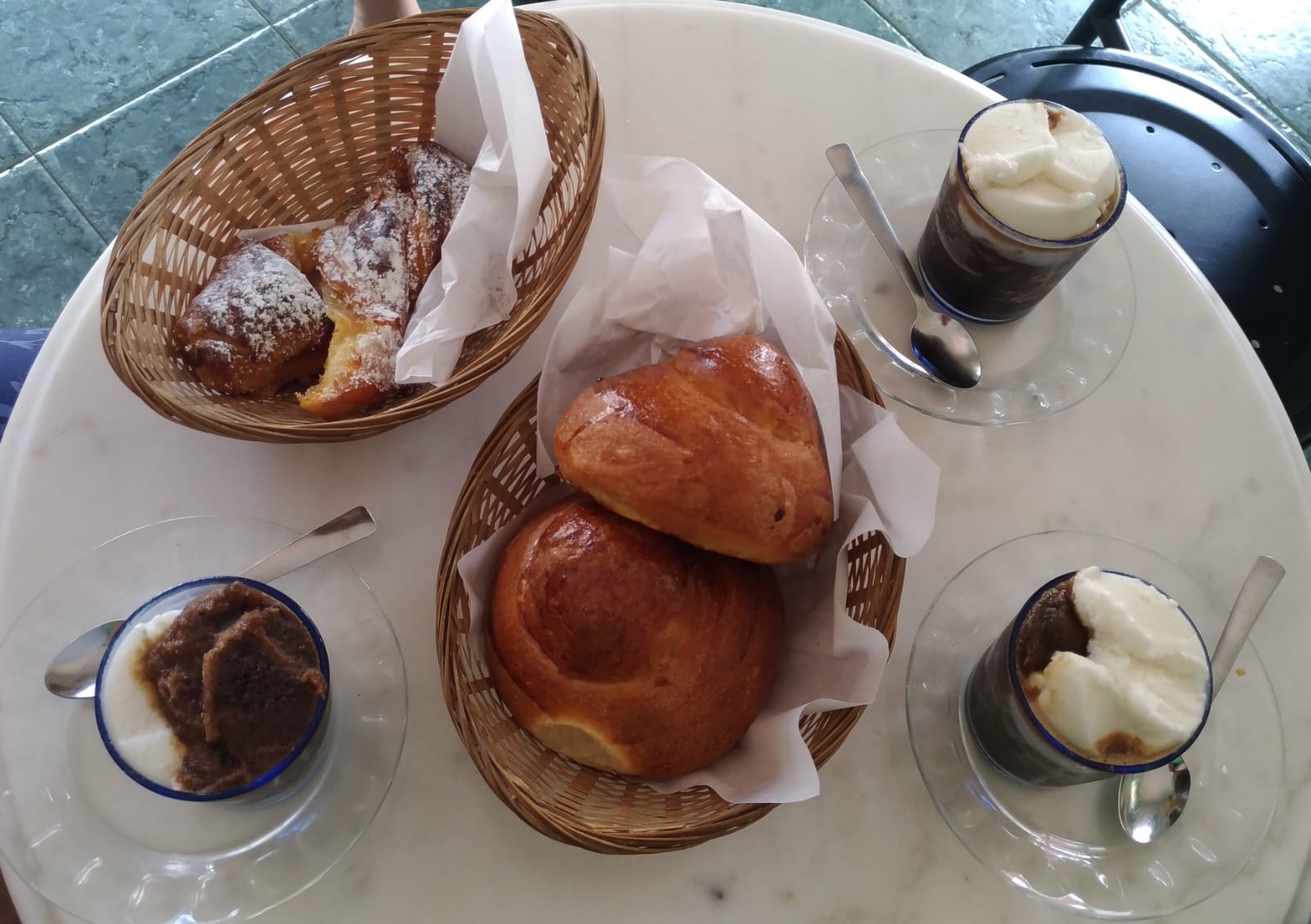
A Sicilian summer breakfast is granita (soft-frozen fruit sorbet) with a warm brioche for dipping. Classic flavours: almond, coffee, pistachio, lemon, strawberry. A combined granita + brioche costs €3.50–5. Best spots in Catania: Savia (Via Etnea), Pasticceria Spinella, or anywhere with a queue of locals before 9 am.
Cannoli and cassata
The cannolo is a crunchy tube of fried pastry filled with sweet sheep-ricotta — and critically filled on order, never in advance. The cassata is a green-marzipan-and-candied-fruit sponge cake. Both are €3–4 a piece; skip anything pre-filled sitting in a display case.
Etna wines at dinner
Ask for Etna Rosso or Etna Bianco on any wine list. Nerello Mascalese (red) and Carricante (white) are the two native grape varieties grown on Etna’s slopes. A glass costs €5–8, a mid-range bottle €25–40. For a deep dive, our wine tours of Sicily guide covers ten Etna wineries.
Fresh fish from the Pescheria
The trattorie circling the Pescheria market serve the morning catch at lunch: grilled swordfish, spaghetti ai ricci (sea urchin), fried anchovies, cuttlefish stew. Expect £25–40 per head with a carafe of house wine. Go before 1 pm to get the freshest picks; after 2:30 pm most kitchens close until dinner.
Eli6179 · CC BY-SA 4.0
A sample 5-day Catania holiday itinerary
Five days gives you the city, Etna, Taormina, a baroque town and a beach afternoon — Sicily’s east coast in ideal proportion. The plan below assumes arrival into Catania-Fontanarossa (CTA) in the late morning and departure late afternoon on day 5. For a 7-day version extending to Syracuse, Noto and Ragusa, use our Sicily itinerary 7 days guide.
Carmelovunque · CC0
Day 1 — Arrival & Catania old town
Land at CTA (arrivals 11–13:00), Alibus to the centre (€4, 20 min), check in. Afternoon walk: Piazza Duomo, Pescheria (quickly — it’ll be closing), Via Etnea, Villa Bellini. Dinner: pasta alla Norma at a neighbourhood trattoria. Early night — you need it for day 2.
Day 2 — Mount Etna
Full-day Etna. Options: rental car (€45/day + €10 parking at Rifugio Sapienza) or guided tour (€65–95 per person, pickup at your apartment). Cable car to 2,500 m, optional 4×4 + guide to 2,920 m. Back in Catania by 18:00. Evening: aperitivo in Piazza Università (€8–10), light dinner of street food.
Day 3 — Taormina day trip
Train from Catania Centrale to Taormina-Giardini (1h15, €7.30). Funivia up to the town. Greek theatre (€14), Corso Umberto stroll, lunch with a view, Isola Bella beach afternoon. Evening train back. Optionally: hire a car and drop into Aci Trezza on the return for a sunset aperitivo by the faraglioni.
Day 4 — Syracuse & Noto
Train or car to Syracuse (1h). Spend the morning on Ortigia, the UNESCO island: Duomo built on an ancient Greek temple, Aretusa fountain, fish market, cathedral. Lunch on Ortigia. Afternoon drive 30 min to Noto, baroque capital of the Val di Noto, climbing Corso Vittorio Emanuele for golden-stone cathedrals. Back to Catania for dinner.
Day 5 — Beach morning & departure
Last granita + brioche breakfast. AMT 534 to La Plaja for a morning swim; alternatively, hire a scooter to Aci Castello for rocky swimming and a lunch of fried calamari. Back to the apartment, check out by noon. Alibus to CTA for late-afternoon flights home.
Getting to Catania from the UK
Catania is one of the easier Sicilian cities for UK holidaymakers: year-round direct flights from at least nine UK airports, with average flight time 3h 10m. Five carriers cover the route: Jet2 and easyJet on the most routes, Ryanair on the cheapest fares, TUI on package holidays, British Airways seasonal from Heathrow. Typical off-peak return fare: £90–140; peak summer £180–250; Christmas weeks spike above £300.
On arrival at Catania-Fontanarossa (CTA), the fastest way to the centre is the AMT Alibus direct to Stazione Centrale (€4, every 20 min, 20-min ride). Taxis run a fixed €25 to the old town. Pre-book a private transfer for €30–45 if you land after midnight. For onward travel to Taormina use our Catania airport to Taormina transfer guide; for the city itself, our where is Catania briefer covers geography and regional connections.
Catania vs Palermo vs Taormina: which for your holiday?
For a fuller side-by-side comparison of just the two Sicilian capitals, our Catania vs Palermo comparison guide breaks down vibe, food, beaches, day trips and where to stay across both cities, with an honest verdict on which suits which traveler type.
Many UK holidaymakers weigh Catania against Sicily’s other headline destinations before booking. The short version: Catania is the best base for Mount Etna and east-coast day trips, with authentic food at lower prices than Taormina. Taormina is the postcard resort — prettier, smaller, more expensive, and better if you want a holiday-centric town with clifftop views. Palermo is Sicily’s raw, gritty capital — richer in monuments, more sprawling, louder, and better for culture-first visitors who don’t need Etna on the doorstep.
| Criterion | Catania | Taormina | Palermo |
|---|---|---|---|
| Best for | Etna base, food, value | Beach + town views | Monuments, culture |
| Old town size | Medium, walkable | Compact, 1 main street | Large, sprawling |
| Nearest airport | CTA (7 km) | CTA (55 km) | PMO (30 km) |
| Flight from UK | Year-round direct | Via Catania or Palermo | Year-round direct |
| Apartment £/night | £70–140 | £120–260 | £80–160 |
| Dinner out couple | £45–70 | £70–120 | £50–80 |
| Beach | La Plaja (city) | Isola Bella (stunning) | Mondello (12 km out) |
| Etna proximity | 45 km, easy | 55 km, doable | 200 km, full day |
| UNESCO sites nearby | Old town, Val di Noto | Greek theatre area | Arab-Norman Palermo |
| Vibe | Lived-in, energetic | Resort polish | Raw, chaotic, epic |
If you only have 5 days on Sicily and want a mix of culture, food and volcano views without hopping hotels, Catania wins. Choose Taormina if you’re set on a resort holiday with walks to cliffside gardens and dinner at a Greek-theatre view. Choose Palermo if monuments like the Norman cathedral of Monreale, the mosaic-laden Cappella Palatina and the Arab-Norman palaces rank higher than Mount Etna. Many visitors combine two bases on a 7+ day trip — our best area to stay in Sicily guide runs through the multi-base options.
Which is nicer, Palermo or Catania?
For most UK holidaymakers, Catania is the more manageable and practical choice: compact old town, direct UK flights into Catania-Fontanarossa (CTA), lower prices and easy access to Mount Etna and the Val di Noto. Palermo is larger, louder and richer in monumental architecture — the Cappella Palatina mosaics, the Arab-Norman cathedral of Monreale and the Ballarò street market are genuinely unmissable — but it takes 3–4 days to do it justice and the city is harder to navigate. If this is your first time in Sicily and you have 3–5 days, Catania is the easier introduction; Palermo rewards a longer second trip. Our Catania vs Palermo comparison guide breaks down the decision in full.
Which is nicer, Taormina or Catania?
Taormina is prettier; Catania is more interesting. Taormina is a clifftop resort town — one main pedestrian street, a Greek theatre with Etna views, the photogenic Isola Bella beach below, and a well-oiled tourist infrastructure. It’s small enough to cover in a day, which is why most visitors base in Catania and do Taormina as a day trip. Catania has the Baroque old town, the Pescheria fish market, a real local food scene, and the closest access to Mount Etna. Accommodation in Catania runs roughly 30–40% cheaper than Taormina. If you want resort polish and clifftop scenery, choose Taormina. If you want a lived-in Sicilian city with culture, food and volcano access, choose Catania.
Is Catania a good base for Sicily?
Yes — for most first-time visitors, Catania is the smartest base in eastern Sicily. It combines the only major UK-served airport on the island with a walkable old town, the lowest accommodation costs of any Sicilian capital, and direct rail/road links to Etna, Taormina, Syracuse and the Val di Noto.
- Airport access — Catania-Fontanarossa (CTA) is the busiest airport in southern Italy with direct UK flights from London, Manchester, Edinburgh and Bristol. The Alibus reaches Piazza Stesicoro in 20–30 minutes for €4.
- Day-trip transport — Trenitalia covers Taormina (50 min, €4–7), Syracuse (1 h 15, €9), Messina (1 h 30) and Palermo (3 h, €13–30). Etna’s Rifugio Sapienza is a 50-minute drive or AST bus ride.
- Accommodation cost — nightly rates run roughly 30–40% lower than Taormina and 20–30% lower than Palermo. A central two-bedroom apartment is typically €80–150/night against €180–300 in Taormina.
- Evenings and food — the highest restaurant density on the island, granita-and-brioche breakfasts, the Pescheria fish market at dawn, and a year-round nightlife scene around Teatro Massimo and Via Plebiscito that Taormina simply does not have.
Where to stay in Catania
A Catania holiday works best from the old town: it’s where the Baroque streets, markets, trattorie and evening passeggiata happen, and it’s the most convenient base for Etna and Taormina day trips by train or guided tour. A well-placed apartment gives you a kitchen for market finds, a balcony for morning espresso, and the autonomy to come in late after a long day on the volcano without checking in through reception. That’s the kind of rhythm we’ve built our places around.
If you like the idea of a family-run apartment in the old town — walking distance to Piazza Duomo, the Pescheria and Via Etnea — explore our apartments in Catania. Three units, same building, all with working kitchens, high ceilings and strong Wi-Fi.
Evenings and nightlife in Catania
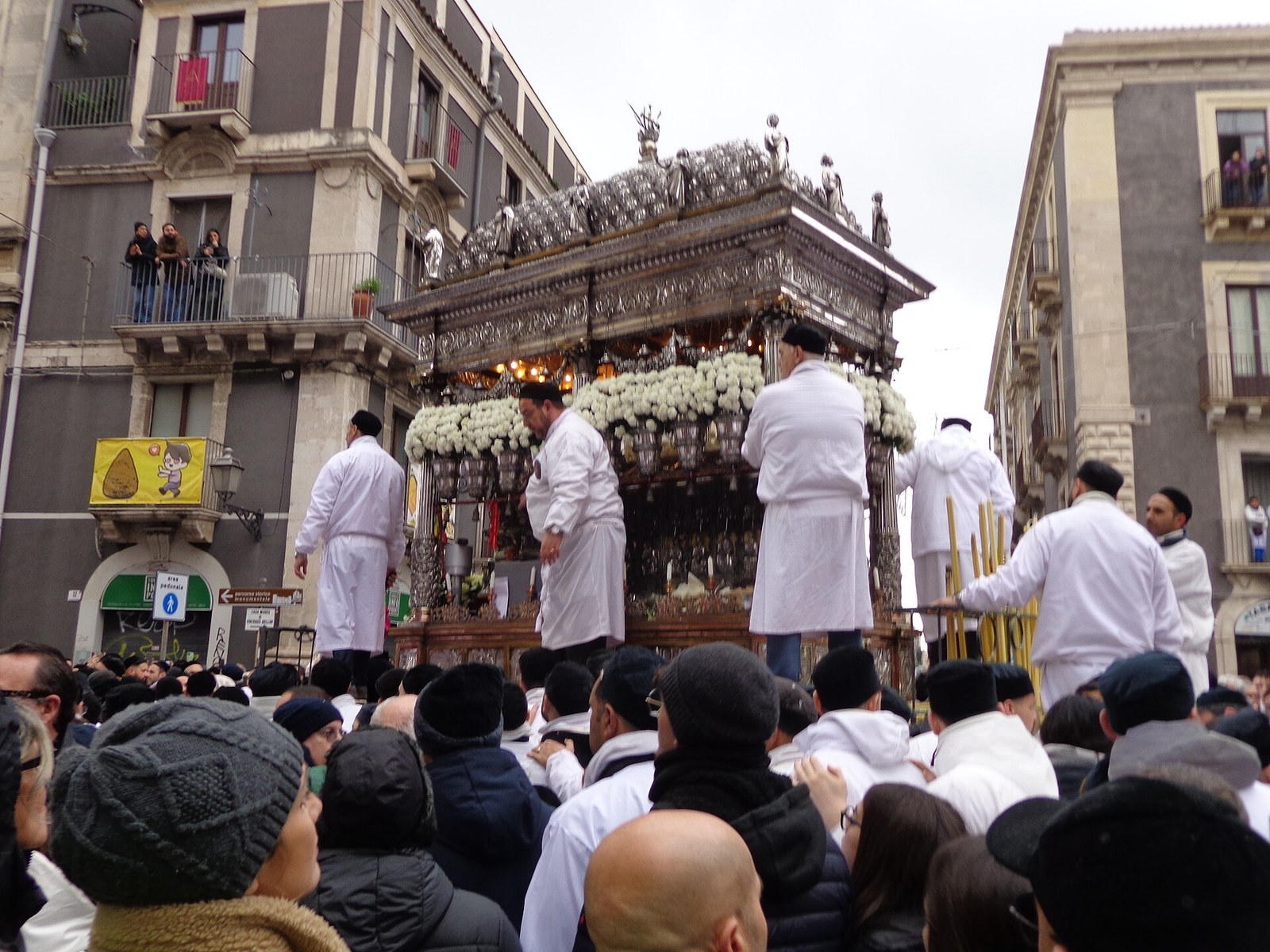
Once the sun goes down, Catania’s old town shifts register: aperitivo on Piazza Università around 19:00, dinner in a trattoria near the Pescheria around 21:00, then the cocktail precinct on Piazza Teatro Massimo or the underground rooms of Piazza Bellini and the San Berillo district. For the full evening plan — bars, clubs, summer beach clubs and how to get home safely — see our dedicated Catania nightlife guide.
Effems · CC BY-SA 4.0
Day-trip planning: for the full breakdown of the ten best excursions from the city, see our dedicated guide on the 10 best day trips from Catania (full guide) — transport options, costs, durations, and which destinations need a car.
The information in this guide was correct at the time of writing. Data can change from season to season without notice: before you travel, always check the official channels and websites for updates. We review this guide periodically, but the official channels are always the authoritative source. We also cannot guarantee that the suggested routes or the attractions described are always reachable or accessible: roads, trails and sites may be closed, damaged, altered or unsafe. Assessing the practicability and safety of itineraries and attractions always remains your own responsibility.