
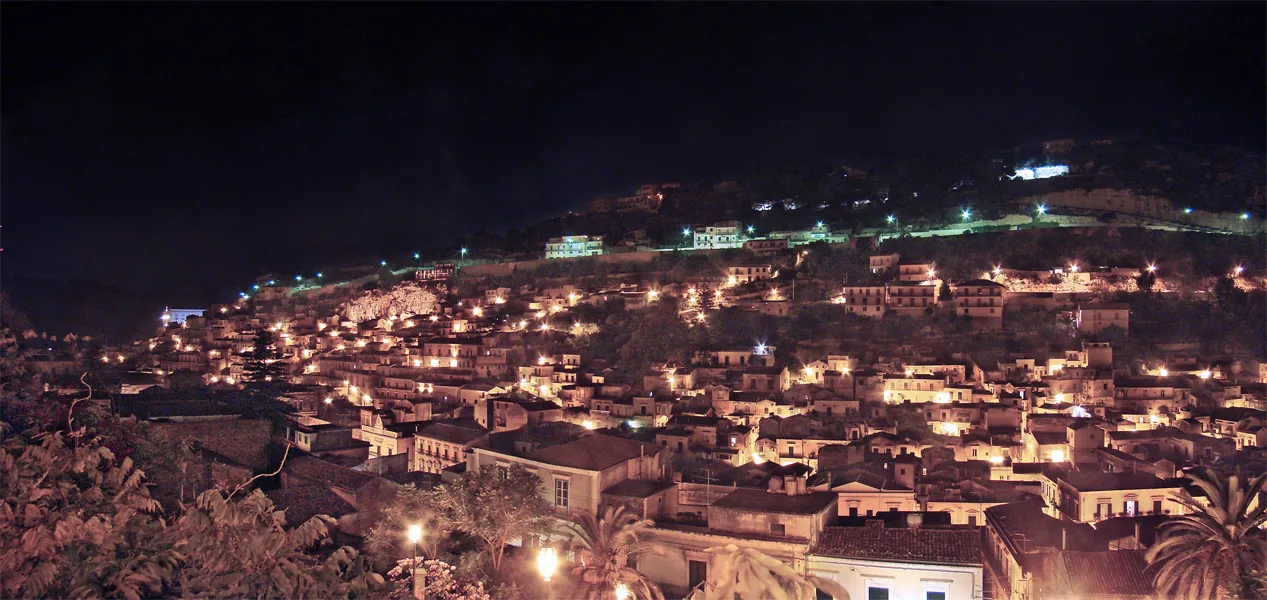
Modica is a city of two halves — and one unforgettable flavour. Perched on the slopes of the Iblei Mountains in south-eastern Sicily, this UNESCO-listed Baroque gem is known worldwide for its ancient Aztec-style chocolate, made using a recipe that has barely changed in 500 years. This guide covers everything you need to know to visit Modica: the chocolate, the landmarks, the food, and how to get there from Catania.
What Is Modica Chocolate?
Modica chocolate is a unique Sicilian specialty made using an ancient Aztec cold-processing technique — entirely unlike the smooth, conched chocolate you’re used to. It’s grainy, crumbly, and intensely aromatic, with a texture that surprises first-timers. Protected by PGI (Protected Geographical Indication) status since 2018, authentic Modica chocolate can only be produced in the comune of Modica, in south-eastern Sicily.
Modica chocolate is the closest thing to how the Aztecs and Spanish conquistadors consumed cacao 500 years ago — cold-ground on a stone metate, never heated above 45°C, with sugar crystals left intact. The result is a rustic, crunchy bar that tastes of pure cocoa with aromatic infusions like cinnamon, vanilla, chilli, and citrus. You eat it as-is or dissolved in hot water as a drink — never baked or melted.
The Aztec Origins
The story begins with Hernán Cortés and the Spanish conquest of Mexico. When the Spanish arrived in the Aztec capital Tenochtitlán in 1519, they encountered xocoàtl — a bitter, spiced cacao drink consumed by Aztec nobility. The recipe travelled back to Spain and, during the Spanish domination of Sicily (1516–1713), reached the city of Modica.
Unlike the rest of Europe — where industrial chocolate-makers added cocoa butter, milk, and lecithin, then ran the mixture through a conching machine for hours — Modica’s artisans simply carried on doing what the Aztecs had taught the Spanish: toast the beans, grind them cold on a stone, mix in sugar. No conching. No added fats. That tradition survived six centuries in Modica, essentially unchanged.
How Modica Chocolate Is Made
The process is deceptively simple but requires precision:
1. Roasting. Single-origin cocoa beans (often from Ecuador, Peru, or Madagascar) are roasted at low temperature to develop flavour without burning.
2. Cold grinding. The roasted beans are crushed on a traditional stone metate or in a modern granite mill. The key: the temperature never exceeds 45°C. This keeps the cocoa butter from fully liquefying.
3. Sugar addition. Caster sugar is stirred into the ground cocoa mass. Because the temperature stays below 45°C — the melting point of sugar — the crystals don’t dissolve. They remain suspended whole, giving the chocolate its signature crunch.
4. Moulding. The thick paste is pressed into rectangular moulds and left to set. No tempering, no conching, no added cocoa butter.
Industrial chocolate is conched — mechanically stirred at high temperatures for up to 72 hours to create a perfectly smooth emulsion. Modica chocolate skips this step entirely. The result is a bar that feels closer to spiced, sweetened cocoa mass than to a Dairy Milk bar.
Why Is Modica Chocolate Grainy?
The graininess is the whole point. Because the caster sugar never melts during production, every bite contains tiny, crunchy sugar crystals suspended in cocoa mass. This isn’t a defect — it’s the hallmark of authenticity. If your Modica chocolate is perfectly smooth, it’s not real Modica chocolate.
You might notice a whitish bloom on the surface. Don’t worry: this is natural cocoa butter that has risen to the surface — not mould, not sugar bloom. It’s actually a sign the chocolate contains pure cocoa butter rather than vegetable fat substitutes.
What Does Modica Chocolate Taste Like?

Mussklprozz · CC BY-SA 3.0
The first thing you’ll notice is the texture: crunchy, rustic, almost sandy. Then the flavour hits — intense, pure cocoa, less sweet than Belgian or Swiss chocolate. Traditional flavours include:
- Cinnamon — the classic, most widespread variant
- Vanilla — warm and aromatic
- Chilli pepper — an Aztec original, spicy finish
- Citrus — orange or lemon zest, bright and zesty
- Carob — earthy Sicilian twist
- Sea salt — modern addition, balances bitterness
- Pistachio — Bronte pistachios, the ultimate Sicilian pairing
Modican chocolate is not for melting into brownies. Enjoy it on its own — a square at a time, paired with a passito di Pantelleria or a strong espresso.
Best Modica Chocolate Shops & Producers
Modica has dozens of dolcerie producing chocolate. These are the three you absolutely shouldn’t miss, plus a few more worth knowing about.
Antica Dolceria Bonajuto (since 1880)
- Location
- Corso Umberto I 159, Modica Maps
- Site
- bonajuto.it
- Hours
- Mon–Sun 9:00–20:30
- Essential fact
- Sicily’s oldest chocolate factory, crafting Modica chocolate since 1880 on Corso Umberto I. Six generations of artisan confectioners.
- Signature dish
- Mpanatigghi (chocolate & meat pastries)
- Price
- Free
Bonajuto is the granddaddy of Modica chocolate. Six generations of the same family have been making chocolate at Corso Umberto I, 159 since 1880 — that’s over 140 years. Their tiny shop feels like a time capsule, and the chocolate is made exactly as it was in the 19th century. Don’t miss their mpanatigghi — crescent-shaped pastries filled with minced meat, almonds, and chocolate. Yes, meat and chocolate. It works.
Sabadì (Award-Winning)
- Location
- Corso S. Giorgio 105, Modica Maps
- Site
- sabadi.it
- Hours
- Mon–Sun 9:30–20:00
- Essential fact
- Award-winning organic Modica chocolate maker with a unique chocolate cellar where bars are aged with botanicals and spices. Winner of the Tavoletta d’Oro for 13 consecutive years.
- Signature dish
- Chilli pepper & saffron chocolate bars
- Price
- Free
If Bonajuto is tradition, Sabadì is innovation. Founded in 2012, Sabadì has won the Tavoletta d’Oro (Gold Bar award) as Italy’s best Modica chocolate for 13 consecutive years. Their secret? A chocolate cellar where bars are aged with botanicals and spices — like fine wine. Sabadì is certified organic, single-origin, and their packaging is as beautiful as the chocolate. Try the peperoncino (chilli) or zafferano (saffron) bars.
Il Modicano (Organic & Vegan)
- Location
- Str. Mercè 69, Modica Maps
- Site
- ilmodicano.it
- Hours
- Mon–Sun 8:00–16:00
- Essential fact
- Organic and vegan chocolate factory specialising in single-origin Modica chocolate. No animal products, no lecithin — pure cocoa mass, cane sugar, and natural aromas.
- Signature dish
- Matcha green tea & bergamot chocolate bars
- Price
- Free
Il Modicano is the go-to for organic, vegan, and ethically-sourced Modica chocolate. All their bars are made with single-origin cocoa, cane sugar, and natural aromas — no lecithin, no animal products whatsoever. Their matcha green tea and bergamot bars are particularly worth seeking out.
Other Chocolate Shops
Dolceria Rizza is a smaller, family-run operation on Corso Umberto I — less famous than Bonajuto but locals swear by their chilli chocolate. Donna Elvira produces elegant gift boxes with assorted flavours, perfect for taking home. The Museo del Cioccolato di Modica (Chocolate Museum), near the Duomo di San Giorgio, tells the full story with vintage equipment and free tastings.
Modica Chocolate Producers: At a Glance
| Producer | Since | Speciality | Price Guide | Location |
|---|---|---|---|---|
| Antica Dolceria Bonajuto | 1880 | Mpanatigghi pastries, classic bars | €4–8/bar | Corso Umberto I, 159 |
| Sabadì | 2012 | Aged chocolate, organic single-origin | €5–10/bar | Corso S. Giorgio |
| Il Modicano | — | Organic & vegan, unusual flavours | €4–8/bar | Via Marchesa Tedeschi |
| Dolceria Rizza | — | Family-run, chilli chocolate | €3–7/bar | Corso Umberto I |
| Donna Elvira | — | Gift boxes, assorted flavours | €8–20/box | Via S. Benedetto da Norcia |
| Museo del Cioccolato | — | History exhibits, free tastings | Free entry | Near Duomo San Giorgio |
Things to Do in Modica
Modica is a two-level Baroque city — the lower Modica Bassa sprawls along a valley floor, while Modica Alta clings to the cliffs above. You’ll spend most of your time climbing staircases between the two, ducking into churches, and stopping for chocolate. A full day is ideal; half a day works if you skip the museum and Cava d’Ispica.
Duomo di San Giorgio

Mboesch · CC BY-SA 3.0
- Location
- Corso S. Giorgio, Modica Maps
- Hours
- Mon–Sun 9:00–13:30, 14:30–19:30
- Essential fact
- Modica’s most iconic Baroque church, designed by Rosario Gagliardi with a dramatic 250-step staircase and one of Sicily’s finest facades.
- Price
- Free
San Giorgio is Modica’s postcard image: a soaring Baroque facade perched at the top of a 250-step staircase, designed by Rosario Gagliardi (the same architect behind Noto’s cathedral). The interior is bright white stucco with five aisles, a sunburst organ loft, and a polyptych by Girolamo Alibrandi. Go at sunset for the golden light hitting the limestone facade — it’s one of Sicily’s great photo spots.
Duomo di San Pietro
- Location
- Corso Umberto I, 159A, Modica Maps
- Hours
- Mon–Sun 9:00–19:00
- Essential fact
- Modica’s second Baroque cathedral in Modica Bassa, with a striking facade lined by statues of the twelve apostles and a gilded wooden ceiling.
- Price
- Free
Modica’s second cathedral sits lower down in Modica Bassa, but don’t let that fool you — its facade, lined with statues of the twelve apostles, rivals San Giorgio. Inside, the highlight is the marble Madonna di Trapani statue and a chapel with a gilded wooden ceiling. The church is often overlooked by tourists, so you’re likely to have it largely to yourself.
Castello dei Conti
Mboesch · CC BY-SA 3.0
- Location
- Corso Francesco Crispi, Modica Maps
- Hours
- Mon–Sun 9:00–13:00, 15:00–18:00
- Essential fact
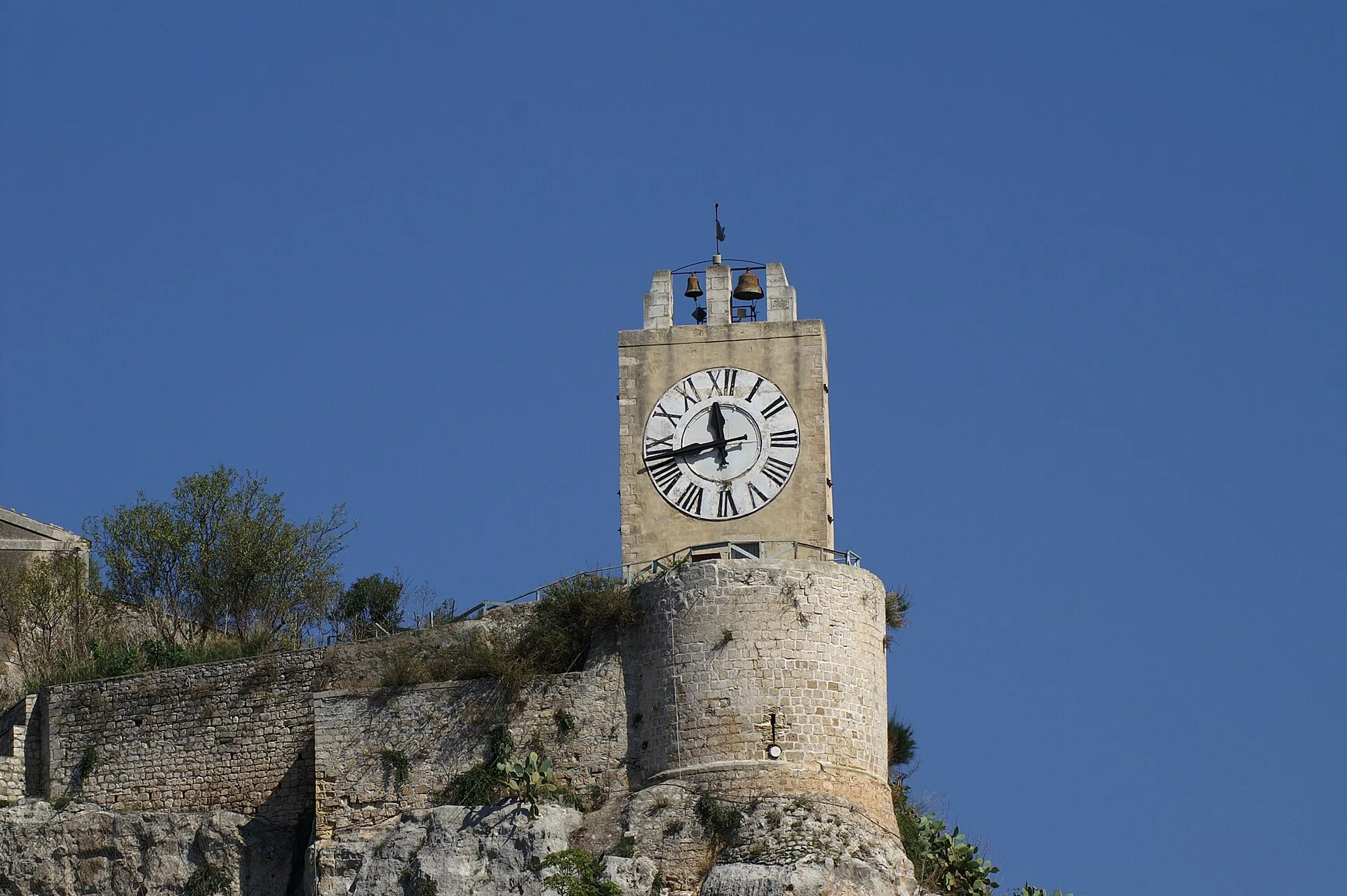
- Medieval castle perched on a rocky spur in Modica Alta, with panoramic views over the city and a historic clock tower.
- Price
- Free
The castle sits atop the rocky spur that separates Modica Alta from Modica Bassa. It’s more of a fortified rock than a fairy-tale castle, but the 360-degree views are spectacular — you can see both halves of the city, the surrounding Iblei Mountains, and on clear days, the sea at Marina di Modica. The clock tower and a small museum are inside, but the real draw is the panorama.
Casa Natale di Salvatore Quasimodo
- Location
- Via Posterla 84, Modica Maps
- Site
- casaquasimodo.it
- Hours
- Mon–Sun 10:00–13:00, 15:30–18:30
- Essential fact
- Birthplace of Nobel Prize-winning poet Salvatore Quasimodo (1901), now a small museum with manuscripts, photos, and personal belongings.
- Price
- Free
Salvatore Quasimodo, winner of the 1959 Nobel Prize in Literature, was born in this modest house on Via Posterla in 1901. It’s now a small, intimate museum housing his manuscripts, photographs, and the original telegram announcing his Nobel win. Even if you’re not into poetry, it’s a moving slice of Sicilian cultural history — and entry is free.
Corso Umberto I & Teatro Garibaldi
Corso Umberto I is Modica’s main drag — a long, straight avenue lined with Baroque palazzi, cafes, and chocolate shops. Start at the Teatro Garibaldi, a small but elegant 19th-century opera house, and walk east past Palazzo De Leva, Palazzo Napolino-Tommasi Rosso, and the Museo Civico (civic museum with archaeological finds from the area). Stop at Caffè Adamo for a granita halfway through.
Chiesa di San Giovanni Evangelista & San Nicolò Inferiore
Tucked into the rock face at the base of Modica Alta, the church of San Nicolò Inferiore is one of Sicily’s oldest Christian sites — a 12th-century cave church with faded Byzantine frescoes, discovered only in 1987. Above it, San Giovanni Evangelista is a Baroque church with an unusual elliptical interior. It’s a quick stop, but the contrast between the Byzantine cave and the Baroque church above is striking.
Cava d’Ispica
- Location
- Crocevia Cava Ispica, Modica Maps
- Site
- parchiarcheologici.regione.sicilia.it/kamarina-cava-ispica
- Hours
- Mon–Sun 9:00–19:00
- Essential fact
- A dramatic 13-km limestone gorge with prehistoric cave dwellings, rock-cut churches, and Byzantine frescoes — one of Sicily’s most important archaeological sites.
- Price
- €6
Cava d’Ispica is a short drive outside Modica (about 15 minutes), but it’s worth the detour. This 13-kilometre limestone gorge has been inhabited since the Bronze Age, and you can walk through prehistoric cave dwellings, rock-cut churches, and a Byzantine necropolis. The site is split into two sections — the northern entrance near Modica has the most impressive catacombs and the Grotte Cadute (Fallen Caves). Plan about 2 hours for a decent exploration.
Modica Alta vs Modica Bassa
Modica is effectively two cities stacked on top of each other. Modica Bassa (Lower Modica) is the commercial heart — Corso Umberto I, the chocolate shops, cafes, and most restaurants. It’s flat, easy to walk, and where you’ll spend most of your time.
Modica Alta (Upper Modica) is the older, medieval part — the Castello dei Conti, the Duomo di San Giorgio, Casa Quasimodo, and a maze of steep alleyways. It’s where you go for views and atmosphere, but be prepared: the climb from Bassa to Alta involves hundreds of steps. In the summer heat (35°C+ in July-August), this is genuinely challenging. Take it slowly, bring water, and stop for granita along the way.
The historical river that separated the two halves was covered over after the devastating 1693 earthquake — the same earthquake that flattened much of south-eastern Sicily and led to the Baroque rebuilding that defines Modica, Ragusa, and Noto today. Modica was rebuilt on top of its river, creating the layered city you see now.
Where to Eat in Modica
Modica isn’t just about chocolate — the city has a serious food scene, from Michelin-starred dining to hole-in-the-wall bakeries.
Traditional Food to Try
Beyond chocolate, Modica’s culinary identity includes several unique dishes:
- Mpanatigghi — crescent pastries filled with minced veal, almonds, chocolate, and spices. Sounds odd, tastes incredible. Find the best at Bonajuto.
- ‘Nfigghiulate — flaky dough parcels stuffed with sausage, caciocavallo cheese, and tomato. The ultimate Modican street food.
- Cavatelli al sugo di maiale — hand-rolled pasta shells with slow-cooked pork ragù. The quintessential Sunday lunch in a Modican home.
- Granita di mandorla — almond granita, creamier than Sicilian granita elsewhere. Try it at Caffè Adamo on Corso Umberto I.
- Nero d’Avola and Cerasuolo di Vittoria — the local red wines, grown on the Iblei hills. Cerasuolo di Vittoria is Sicily’s only DOCG wine.
For a quick lunch, look for a tavola calda (hot table) serving scacce modicane — layers of thin dough stuffed with ricotta, tomato, or vegetables, baked until crispy. They cost about €3-5 each and are the perfect grab-and-go meal.
How to Get to Modica from Catania
Modica is about 120 km south of Catania, roughly 1 hour 40 minutes by car, 2 hours 30 minutes by train, or 2 hours 45 minutes by bus. A car is by far the best option — it gives you flexibility to explore Modica Alta and nearby Ragusa/Scicli in the same day.
By Car
Take the A18 motorway south from Catania towards Siracusa, exit at Rosolini, then follow the SS115 to Modica. The entire route is well-paved and straightforward. Total driving time: approximately 1 hour 30 minutes from Catania city centre.
Parking: Avoid driving into Modica Bassa’s narrow alleys. The best free parking is on Via Fontana, near the bottom of Modica Alta — from here you can walk down into Corso Umberto I in 5 minutes. Paid parking is available at Parcheggio Piazza Falcone Borsellino (about €0.50/hour). Watch for ZTL cameras — Modica’s zona a traffico limitato is enforced by cameras, and fines reach Italian rental car companies weeks later.
By Train
Trains run from Catania Centrale to Modica on the Siracusa–Gela–Canicattì line. You’ll typically change at Siracusa. Total journey time: 2 hours 20 minutes to 3 hours depending on connections. The station is a 10-minute walk from Corso Umberto I. A one-way ticket costs about €9-12. Check current timetables on Trenitalia — the Siracusa-Modica section has limited daily departures, especially on Sundays.
By Bus
AST and Interbus operate direct Catania–Modica buses. The journey takes 2 hours 30 minutes to 2 hours 45 minutes and costs about €10-13 one-way. Buses depart from Catania’s central bus station (next to the train station) and arrive at Modica’s bus terminal on Viale Medaglie d’Oro, a short walk from the centre. Frequency: 3-4 daily departures, fewer on Sundays.
Where to Stay in Modica
If you’re visiting Modica on a day trip from Catania, you don’t need accommodation here — the round trip is easily doable in a day. But if you’re exploring the Val di Noto over several days and want to overnight, Modica is a good base: it’s cheaper than Ragusa Ibla or Noto, less touristy, and has excellent food.
Stay in Modica Bassa if you want to be close to the restaurants and shops. Choose Modica Alta if you want views and atmosphere (but be ready for stairs). Many holiday apartments are carved directly into the rock — a unique experience unique to this part of Sicily. Booking a room with a terrace or balcony is worth the premium for the views over the tiled rooftops.
Is Modica Worth Visiting?
Yes — especially if you love food, Baroque architecture, and towns that feel lived-in rather than museum-like. Modica doesn’t have the polish of Taormina or the Instagram fame of Noto. That’s its strength. It feels like a real Sicilian city where locals still outnumber tourist buses. The chocolate alone is reason to visit, but combined with the spectacular Duomo di San Giorgio, the medieval lanes of Modica Alta, and some of Sicily’s most distinctive cuisine, Modica earns its place on any south-eastern Sicily itinerary. Plan a full day; pair it with nearby Ragusa Ibla (20 minutes away) or Scicli (15 minutes) for a perfect Val di Noto road trip.
Frequently Asked Questions
What is the famous chocolate from Sicily?
Sicily’s most famous chocolate is Modica chocolate (cioccolato di Modica), a PGI-protected specialty made using an ancient Aztec cold-processing method. It’s grainy, intensely aromatic, and comes in traditional flavours like cinnamon, vanilla, and chilli. Unlike industrial chocolate, it’s never conched — sugar crystals remain whole, creating its distinctive crunchy texture.
Why is Modica chocolate grainy?
Modica chocolate is grainy because the caster sugar added during production is never heated above 45°C — the melting point of sugar. The crystals remain whole inside the cocoa mass, creating the signature crunch. This is the defining characteristic of authentic Modica chocolate. Smooth Modica chocolate is industrially produced and not authentic.
How do I get from Catania to Modica?
The fastest way is by car: take the A18 motorway south, exit at Rosolini, then follow the SS115 to Modica (about 1h 30 min). By train: Catania Centrale to Siracusa, change, then Siracusa to Modica (2h 20 min–3h, about €10). By bus: AST or Interbus direct service (2h 30 min–2h 45 min, about €10-13). Parking in Modica is available on Via Fontana (free) or Piazza Falcone Borsellino (paid).
What is the best time to visit Modica?
April–June and September–October are ideal — warm but not scorching, perfect for climbing Modica’s staircases. July and August are hot (35°C+) and crowded. December is magical for chocolate lovers: the annual Chocomodica festival fills the streets with chocolate stalls, tastings, and workshops. The Settimana Santa (Holy Week, March/April) is also spectacular — Modica’s Easter processions are among Sicily’s most dramatic.
More Day Trips from Catania
Modica is one of many incredible places you can visit on a day trip from Catania. If you’re exploring south-eastern Sicily, don’t miss Ragusa Ibla, the Baroque jewel of the Val di Noto, just 20 minutes from Modica. For more ideas, check out our full guide to day trips from Catania — covering everything from Mount Etna to the Aeolian Islands — or browse more Sicily travel guides.
Planning your trip? Stay in Catania as your base. Our apartments in Catania city centre put you within easy reach of Modica, Ragusa, Siracusa, and Mount Etna — all within a 90-minute drive.
The information in this guide was correct at the time of writing. Data can change from season to season without notice: before you travel, always check the official channels and websites for updates. We review this guide periodically, but the official channels are always the authoritative source. We also cannot guarantee that the suggested routes or the attractions described are always reachable or accessible: roads, trails and sites may be closed, damaged, altered or unsafe. Assessing the practicability and safety of itineraries and attractions always remains your own responsibility.