
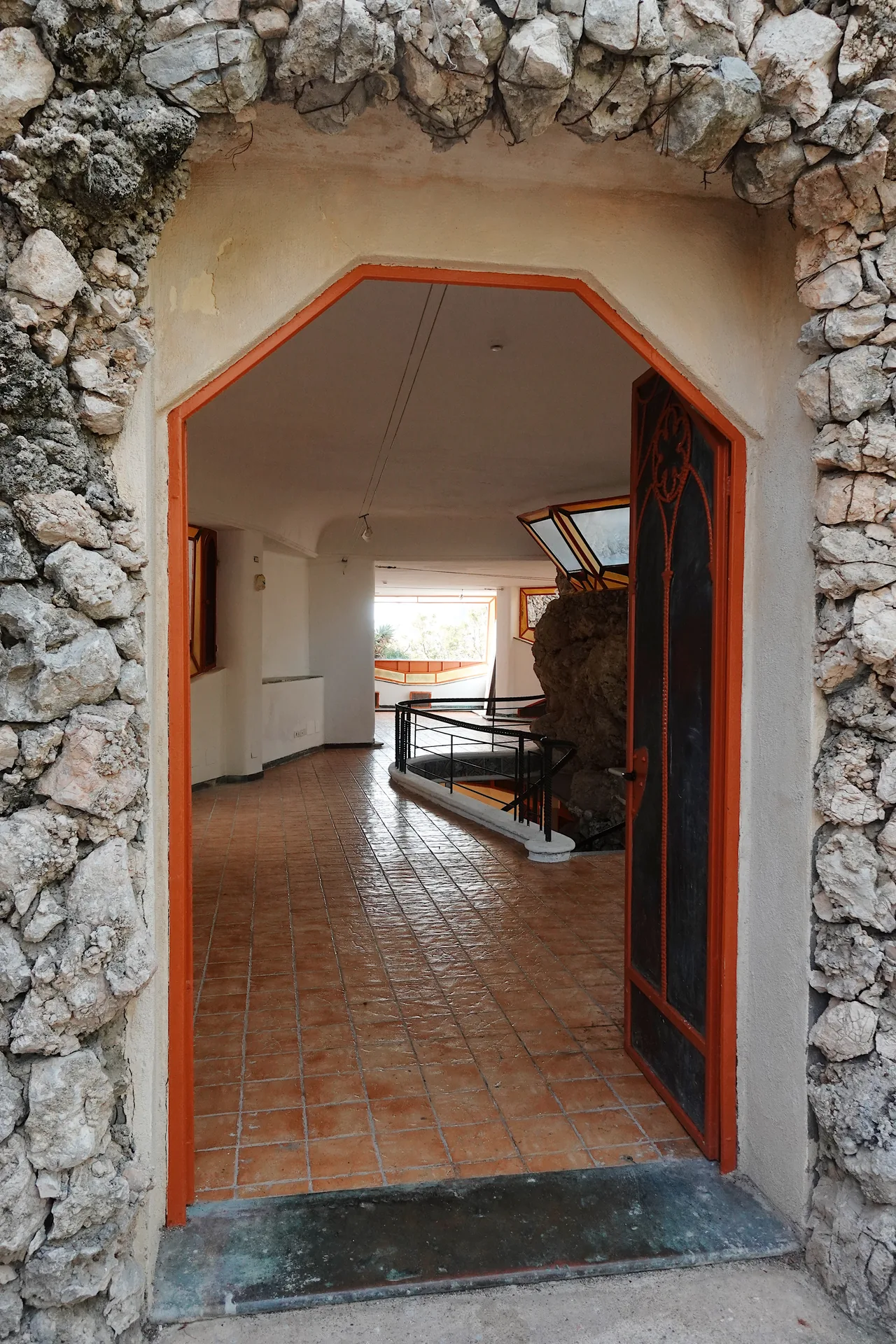
Packing for Sicily sounds simple. It’s the Mediterranean. It’s warm. You throw in some shorts and sandals and you’re done.
Except you’re not, because Sicily in March feels nothing like Sicily in August, and the cobblestones of Catania don’t care how comfortable your flip-flops are.
We live in Catania and host guests from all over the world. We’ve seen what people pack, and we’ve seen what they regret. The biggest mistake? Treating Sicily like a generic beach destination when it’s actually an island with 3,000 metres of volcano, baroque churches with strict dress codes, and rocky coves where water shoes matter more than your swimsuit brand.
This guide is season-by-season and activity-by-activity, written by people who actually live here. You’ll find monthly weather data, a breakdown of what Sicilians really wear (not what Mediterranean packing lists copy-paste), and the packing rules that actually make sense, including the 5-4-3-2-1 method you’ve been seeing everywhere. By the end, you’ll pack less, dress better, and avoid the three items everyone regrets dragging across the island.
Sicily’s Climate at a Glance: What to Expect Each Month

Wikimedia Commons · Public domain
Before you decide what goes in your suitcase, you need to understand what you’re packing for. Sicily’s climate changes dramatically by season and by altitude. Catania sits at sea level on the Ionian coast, sunny and humid. But drive 45 minutes up Mount Etna and you can find snow through April, even while people are swimming at the beach below.
The table below gives you the monthly averages for Catania and the eastern coast. Use it as your baseline, then adjust: add a warm layer for Etna excursions, subtract one for August afternoons when the sirocco blows.
| Month | Avg High | Avg Low | Rain Days | Sea Temp | What to Expect |
|---|---|---|---|---|---|
| January | 16°C / 61°F | 5°C / 41°F | 7 | 15°C / 59°F | Mild days, cold nights. Clear skies, empty sites. |
| February | 16°C / 61°F | 5°C / 41°F | 6 | 14°C / 57°F | Like January. Almond blossoms start. Etna still snowy. |
| March | 18°C / 64°F | 7°C / 45°F | 6 | 15°C / 59°F | Spring starts. Warm afternoons, chilly evenings. Unpredictable. |
| April | 21°C / 70°F | 9°C / 48°F | 5 | 16°C / 61°F | Pleasant. First beach days possible. Layers essential. |
| May | 25°C / 77°F | 13°C / 55°F | 3 | 19°C / 66°F | Warm but not scorching. Best month for hiking and cities. |
| June | 30°C / 86°F | 18°C / 64°F | 1 | 22°C / 72°F | Hot. Sea warm enough. Evenings still pleasant. |
| July | 33°C / 91°F | 21°C / 70°F | 0 | 26°C / 79°F | Peak heat. Sirocco possible. Afternoons indoors. Sea perfect. |
| August | 33°C / 91°F | 22°C / 72°F | 1 | 27°C / 81°F | Hottest month. Ferragosto (Aug 15): peak holiday, some places close. |
| September | 29°C / 84°F | 19°C / 66°F | 3 | 25°C / 77°F | Still summer. Sea warmest of the year. Best all-round month. |
| October | 25°C / 77°F | 15°C / 59°F | 6 | 22°C / 72°F | Variable. Early Oct can be beach weather; late Oct needs a jacket. |
| November | 20°C / 68°F | 10°C / 50°F | 8 | 19°C / 66°F | Autumn. Rain increases. Still mild by Northern European standards. |
| December | 17°C / 63°F | 7°C / 45°F | 8 | 17°C / 63°F | Mild days, cold nights. Christmas markets. Etna skiing possible. |
One thing that surprises visitors: the temperature swing. A 15°C / 27°F gap between day and night is normal in spring and autumn. That means you can sunbathe at 2 PM and need a jacket by 8 PM, on the same day. Pack layers, not bulk.
The Golden Rules of Packing for Sicily
Before we get to the list, five principles that shape every decision. These come from living here, not from a packing checklist template.
1. Less is more. You’ll likely have access to a washing machine, all three of our apartments in Catania include one, and most holiday rentals do. Pack for 5-7 days and wash once. Nobody in Sicily cares if you wear the same outfit twice; they care if it looks clean and intentional.
2. Natural fabrics only. Linen, cotton, light wool. Leave the polyester and viscose at home. Sicily’s humidity, especially on the coast, makes synthetic fabrics cling and smell. Locals wear almost exclusively natural fibres in summer. You’ll be more comfortable and you’ll blend in better.
3. Bella figura is real. Sicilians care about presentation. You don’t need designer labels, but you do need clothes that are clean, ironed, and coordinated. A wrinkled T-shirt and gym shorts mark you as a tourist from 50 metres away. This matters especially in the evening, when the passeggiata (the evening stroll) is a social ritual.
4. Churches mean covered shoulders and knees. This isn’t optional and it’s not just for women. The Duomo in Catania, the Benedictine monastery, Noto’s cathedral, you’ll be turned away or handed a scratchy disposable cover-up if you’re not dressed appropriately. Carry a light scarf or pashmina. It weighs nothing and solves the problem instantly.
5. One outfit, multiple contexts. The same linen shirt that works for a morning at the Greek theatre in Taormina works for dinner in Catania if you swap sandals for leather shoes and add a watch. Build a capsule wardrobe where every top goes with every bottom. You’ll pack half as much and look twice as put-together.
Clothing: What Sicilians Actually Wear
Forget the ‘Mediterranean packing list’ you found on Pinterest. Here’s what people actually wear in eastern Sicily, broken down by context.
Daywear

Wikimedia Commons · CC BY-SA 4.0
In Catania, the daytime look is smart-casual with an emphasis on smart. Men wear fitted T-shirts or linen shirts with tailored shorts or chinos, never gym shorts. Women wear sundresses, linen trousers, or neat shorts with a blouse. The key is looking intentional: ironed, colour-coordinated, nothing sagging or stained.
For sightseeing (markets, ruins, Baroque balconies) comfort matters but you can be comfortable and presentable at the same time. Loose linen trousers are perfect: they breathe, they look good, and they cover your knees for impromptu church visits. Pack 3-4 tops, 2-3 bottoms, and one light long-sleeved shirt for sun protection. All in neutral tones that mix and match.
Evening & Passeggiata
The passeggiata is the evening ritual: from about 6 PM to 8 PM, the main streets (Via Etnea in Catania, Corso Umberto in Taormina) fill with people walking, talking, seeing and being seen. This is when Sicilians dress up. Not formal wear, but what they call ‘elegante sportivo’: smart jeans or trousers, a crisp shirt or blouse, leather shoes. For women, a simple dress with flat sandals is the uniform. For men, a linen shirt with chinos and loafers or clean sneakers.
You need one evening outfit. That’s it. You’ll wear it multiple times and nobody will notice or care. If you’re dining somewhere very nice (a Michelin-starred restaurant or a rooftop terrace) add a blazer or a smarter dress. But for 90% of Sicilian evenings, smart-casual covers it.
Beach & Swimwear
Two swimsuits minimum, so one can dry while you wear the other. A cover-up is non-negotiable. Walking around town in just swimwear is not done in Sicily, even in beach towns. A linen shirt, kaftan, or sarong takes no space and keeps you from getting stared at in the wrong way when you pop into a bar for granita after the beach.
For men: board shorts are fine for the beach but change into proper shorts or trousers before sitting down anywhere. For women: a bikini is standard on Sicilian beaches, you won’t feel out of place in a two-piece. Topless sunbathing is less common than in parts of Spain or Greece but not scandalous on quieter beaches.
Church & Religious Sites
This deserves its own section because it catches people out constantly. Shoulders and knees must be covered in Sicilian churches. Not ‘preferably’. Not ‘if you feel like it’. The rule is enforced, especially in major sites like the Catania Duomo, the Monastery of San Nicolò l’Arena, and Noto’s cathedral.
The easiest solution: keep a large cotton or linen scarf in your day bag. It doubles as a shoulder wrap, a knee cover, a headscarf, a picnic blanket, and an extra layer when the evening breeze picks up. For men: long trousers are expected. If you’re wearing shorts, carry lightweight trousers to pull on at the entrance, those convertible zip-off things are functional but… maybe don’t.
Seasonal Adjustments
Spring (March-May): Layers are everything. A warm morning becomes a hot afternoon and a cool evening. Pack a light sweater or cardigan and a scarf. A light waterproof jacket is useful in March and April, rain is infrequent but can be heavy when it comes.
Summer (June-August): The lightest natural fabrics you own. Think loose, not tight. A wide-brimmed hat is worth more than an extra T-shirt. One light layer for air-conditioned restaurants and shops, where the temperature difference can be 15°C.
Autumn (September-November): September is still summer. October and November need the same layering strategy as spring, plus a proper waterproof layer. The sea stays warm through October, don’t pack the swimsuit away too early.
Winter (December-February): Sicilian winter is mild by Northern European standards but it’s not beach weather. You need a warm coat for evenings, a scarf, and closed shoes. Indoor heating can be uneven, older buildings and some holiday rentals rely on air-conditioning units rather than central heating. Pack warm pyjamas and a layer for indoors.
Footwear: Cobblestones, Volcanic Rock, and Pebble Beaches
Footwear can make or break a Sicily trip. The island’s surfaces are unforgiving: lava-stone cobblestones in Catania, steep hills in Taormina, pebble beaches along the Ionian coast, and loose volcanic scree on Etna. Here’s what you need for each scenario.
City Walking
Catania’s old town is paved in basalt cobblestones, beautiful, historic, and absolutely merciless on your feet. Leave the flip-flops for the beach. For city walking, you want shoes with a proper sole: leather sneakers (the default local choice), cushioned walking sandals with ankle support, or lightweight loafers. Catania locals, especially younger people, live in white sneakers year-round, stylish, comfortable, and they go with everything.
Beach & Rocky Coves
Luca Aless · CC BY-SA 4.0
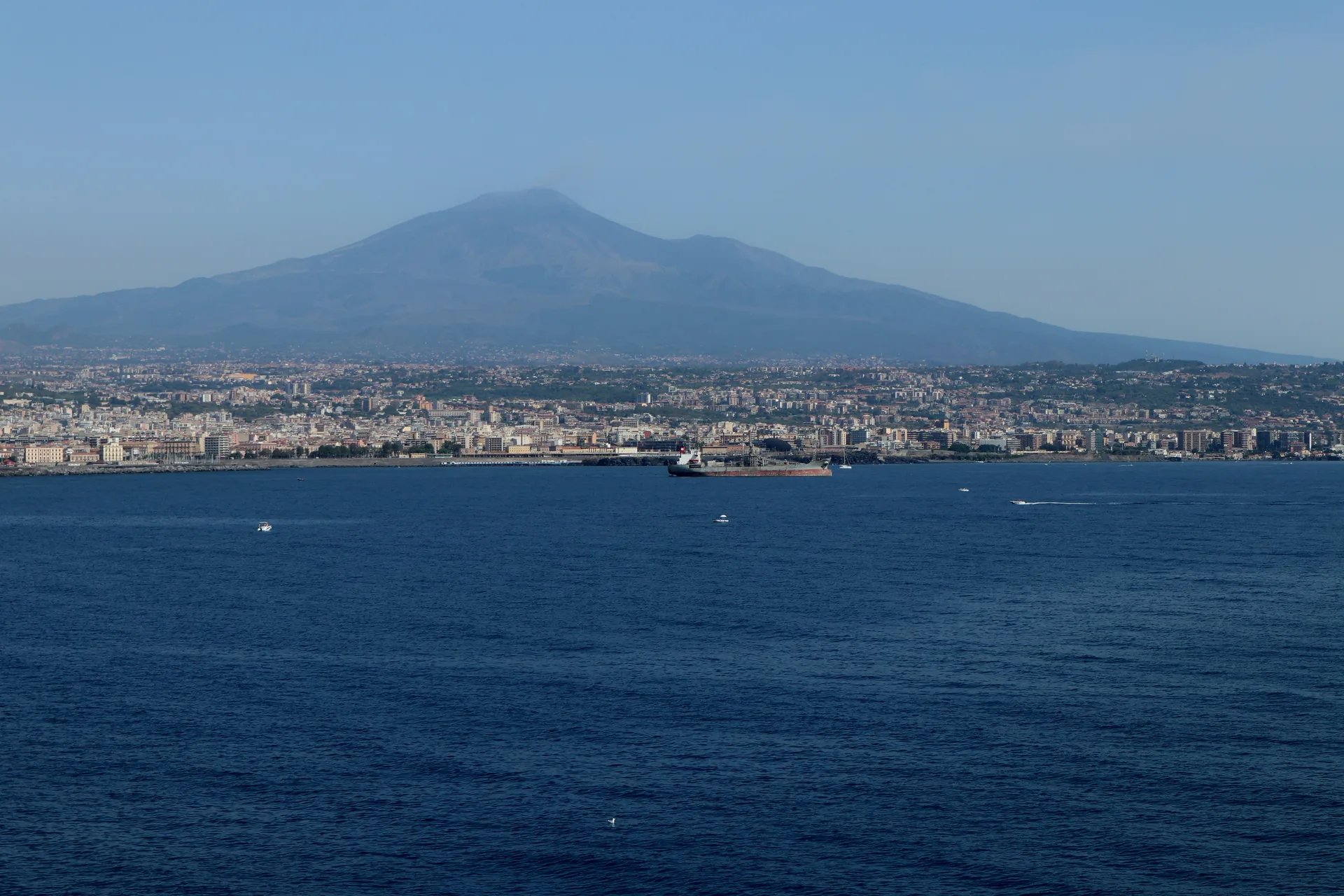
Sicily’s eastern coast is mostly rock and pebble, not the sandy expanses you might be picturing. Isola Bella in Taormina, the Timpa nature reserve in Acireale, the lava-rock platforms of Acitrezza, water shoes are essential unless you enjoy hopping on sharp stones barefoot. They cost about €10-15 locally, take up no space, and transform your beach experience. Pack a pair and your feet will thank you.
Hiking Mount Etna
You don’t need full mountaineering boots for a standard Etna excursion, the cable car and 4×4 bus take you to 2,900 metres. But you do need closed shoes with a grippy sole. Trail runners or approach shoes are ideal. The volcanic terrain is loose and abrasive; thin-soled trainers will be destroyed in one outing. If you’re doing one of the longer treks (Rifugio Sapienza to the summit craters, or the lateral craters near Piano Provenzana), proper hiking boots with ankle support are recommended. See our guide to hiking Mount Etna for more detail.
Evening
One pair of smart sandals or leather loafers covers every evening situation. Leave the stilettos at home. Between cobblestones, uneven pavements, and steep medieval streets, high heels are a liability. Women in Sicily wear flat leather sandals, espadrilles, or elegant flat shoes for evenings out. For men, suede loafers or clean leather sneakers in a dark colour work perfectly.
Beach & Swimming Essentials

Wikimedia Commons · CC BY 2.0
The Sicilian beach day is different from what you might be used to. Most beaches on the eastern coast are organised into lidi (private beach clubs with sunbeds, umbrellas, showers, and a bar), but there are also free public stretches if you know where to look. Either way, here’s what to pack.
- 2 swimsuits: one dries while you wear the other. Salt and humidity slow down drying.
- Water shoes: the single most underrated item for Sicilian beaches. Rocky coves, sea urchins, hot sand. €10-15 locally if you forget.
- Microfibre towel: compact, dries fast, weighs nothing. A standard cotton beach towel is bulky and stays damp for hours.
- Dry bag or waterproof pouch: for your phone, wallet, and keys when you swim. Theft on beaches is rare but not zero.
- Sarong or cover-up: for walking to the beach bar or grabbing lunch. See H2.3: nobody walks around town in swimwear.
- Mask and snorkel: the water is crystal-clear and the rocky seabeds are full of life. If you have space, bring your own.
On organised beaches (lidi), you pay for a sunbed and umbrella, typically €15-25 for two beds and an umbrella for the day in high season, €8-15 in the low season. You don’t need to bring your own umbrella or chairs. See our guide to the best beaches near Catania for specific spots.
Sun Protection, Health & Toiletries
The Sicilian sun is stronger than most visitors expect. Even in March, you can burn in under an hour if you’re fair-skinned. In July and August, UV levels are extreme, locals avoid the sun between 12 and 4 PM, and for good reason.
- SPF 50 sunscreen: broad spectrum, water-resistant. You can buy it here but it’s more expensive than in most countries. Bring enough for your whole trip.
- Wide-brimmed hat: a baseball cap doesn’t protect your neck or ears. A foldable wide-brimmed hat takes no space and makes a real difference at midday.
- Polarised sunglasses: the glare off the sea and white stone buildings is intense. Polarised lenses reduce eye strain noticeably.
- Insect repellent: mosquitoes are present from April to October, especially near water, in the countryside, and on terraces at dusk. A high-DEET repellent is best for evenings. The worst areas are around the salt pans near Syracuse and the wetlands near Vendicari.
- Basic first-aid kit: plasters (for blisters from all that cobblestone walking), ibuprofen or paracetamol, antihistamine cream for insect bites, motion sickness tablets if you’re doing boat trips to the Aeolian Islands.
- Any prescription medication: Italian pharmacies (farmacie) are well-stocked, but brand names differ. Bring your prescription and enough for the trip plus a few extra days.
You don’t need to pack a full toiletry kit. Italian pharmacies and supermarkets carry every brand of shampoo, toothpaste, and deodorant you’d recognise, plus excellent local alternatives. If you’re staying in an apartment, basics like soap and toilet paper are provided.
A reusable bottle is worth packing, but the practical question is where to refill it. Tap water in Sicily is generally safe in normal municipal supply areas, with local caveats for taste, old building systems and non potable signs. Read the full guide to tap water in Sicily before deciding how much bottled water to buy.
Electronics, Adapters & Travel Documents
The non-clothing part of your bag. These items are easy to forget and annoying to replace.
- Type C or Type L plug adapter: Italy uses the European two-pin (Type C) and the Italian three-pin (Type L). Most Type C plugs fit Italian sockets. If you’re coming from the UK, US, or Australia, bring at least one adapter. Universal adapters with USB ports solve multiple problems at once.
- Power bank: you’ll be out all day taking photos, using Google Maps, and looking up restaurant reviews. A 10,000 mAh power bank is light, cheap, and saves you from hunting for a café with an outlet at 5 PM.
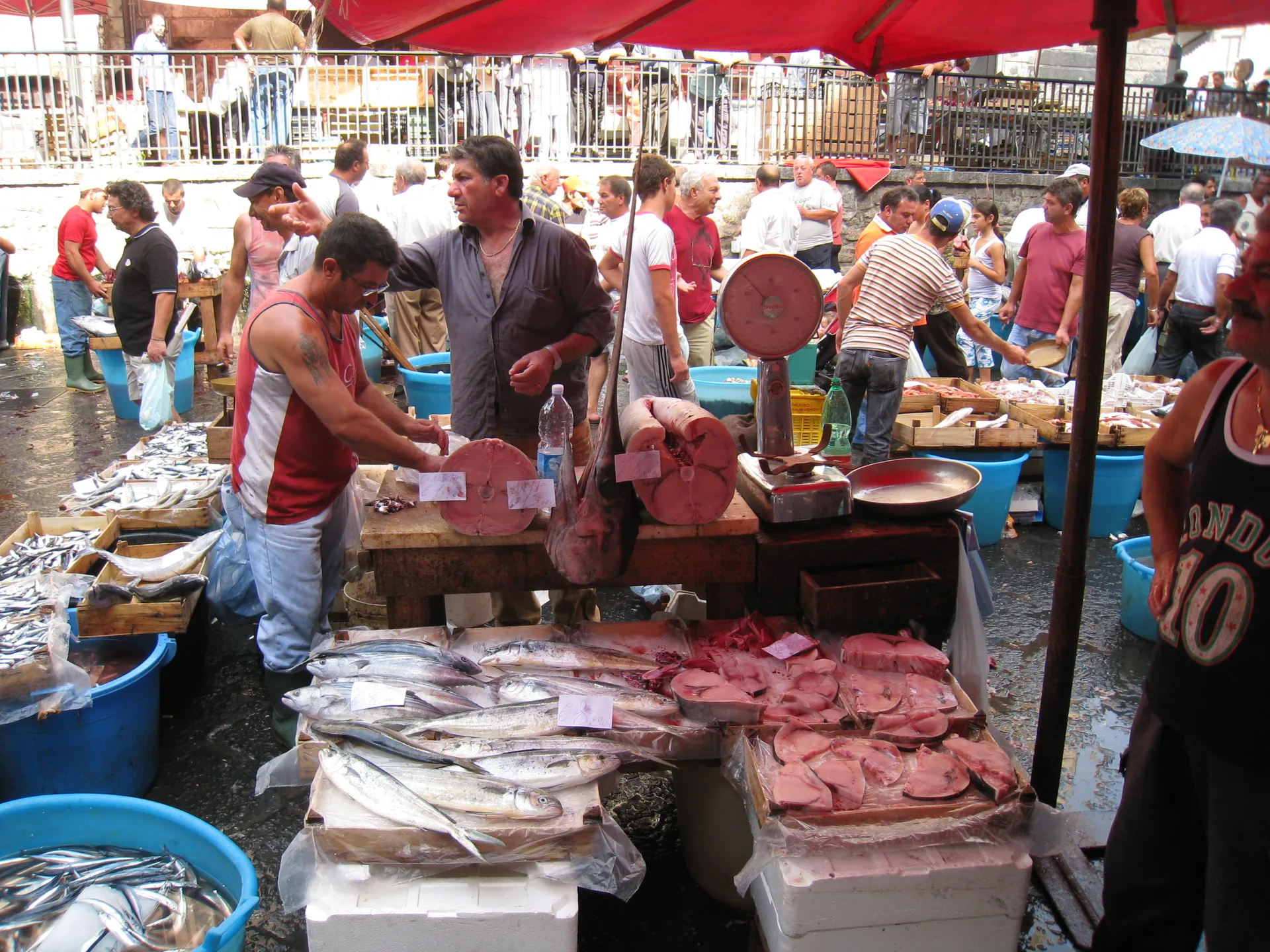
- Cross-body bag or small daypack: for daily essentials. A cross-body bag keeps your valuables in front of you in crowded markets like the one at Piazza Carlo Alberto. Pickpocketing exists in tourist-heavy areas (Catania’s markets, Taormina’s main street in high season) but it’s opportunistic, not aggressive. Don’t carry your phone in your back pocket.
- Passport and copies: colour photocopies of your passport stored separately from the original. A digital copy on your phone or cloud storage as backup.
- Cash and cards: credit and debit cards are widely accepted in cities and larger towns. But small bakeries, market stalls, and rural cafés may be cash-only. Carry €30-50 in cash. ATMs (bancomat) are everywhere in Catania; use official bank ATMs, not the standalone ones in tourist areas which charge higher fees.
What NOT to Pack for Sicily (and What to Buy There)
Wikimedia Commons · CC BY-SA 2.0
Packing light is a skill. Most people overpack by about 30%. Here’s what you can safely leave behind, and a few things worth buying once you’re here.
- High heels. Cobblestones, steep streets, uneven pavements. You’ll wear them once and hate yourself. Flat sandals or wedges at most.
- Too many evening outfits. One smart-casual outfit covers every dinner, every passeggiata, every rooftop bar. Sicily is not a multiple-costume-changes-per-day kind of place.
- Hairdryer and straighteners. Every apartment and hotel room has a hairdryer. If you must bring a straightener, check the voltage, Italy is 230V.
- Bulky beach towels. A microfibre towel is smaller, lighter, and dries in an hour. Or use the towels provided by your accommodation.
- Heavy guidebooks. Everything you need is on your phone. Download offline Google Maps of Sicily before you arrive.
- Expensive jewellery. It attracts unwanted attention in crowded markets and you’ll spend your trip worrying about it. Wear simple pieces, leave the heirlooms at home.
- Too many shoes. Four pairs maximum: walking shoes, beach/water shoes, evening sandals, hiking shoes (if you’re doing Etna properly). If a pair doesn’t serve at least two purposes, cut it.
Things worth buying in Sicily: Ceramics from Caltagirone (the town’s maiolica is world-famous, most shops can ship internationally), wine from the slopes of Etna (Nerello Mascalese and Carricante are the signature grapes), olive oil from the hills around Chiaramonte Gulfi, capers and oregano from Pantelleria or the Aeolian Islands, and pistachio products from Bronte (the green pistachio cream is addictive). All of these can go in your checked luggage or be shipped home.
Frequently Asked Questions (FAQ)
The questions that come up again and again, including those packing rules you’ve been seeing everywhere.
What is the 5-4-3-2-1 packing rule for Sicily?
The 5-4-3-2-1 method means: 5 tops, 4 bottoms, 3 pairs of shoes, 2 swimsuits, and 1 dressy outfit. For Sicily it works surprisingly well. Five tops (mix of T-shirts, linen shirts, and one long-sleeved), four bottoms (two pairs of trousers, one pair of shorts, one skirt or second pair of shorts), three pairs of shoes (walking, beach, evening), two swimsuits, and one evening outfit for the passeggiata. That’s your capsule. Everything mixes and matches. You’re covered for two weeks with a carry-on.
What is the 3-5-7 rule in packing?
The 3-5-7 rule suggests 3 tops, 5 bottoms, and 7 accessories for a trip up to two weeks. Honestly, for Sicily we’d flip it: 5 tops and 3 bottoms makes more sense. You sweat through tops faster than trousers, and you can re-wear bottoms multiple times. The accessories part is sound, a scarf, sunglasses, a hat, a watch, a belt, a day bag, and a reusable water bottle cover all your practical and style needs.
What is the 3-3-3 rule for packing?
The 3-3-3 rule says 3 tops, 3 bottoms, and 3 pairs of shoes. It’s the most minimalist of the packing formulas, designed for a week or less with access to laundry. For Sicily it’s tight but doable if you’re travelling light and staying somewhere with a washing machine. Add one extra top and a second swimsuit and you’ll be much more comfortable.
What to pack for a 10 day trip to Sicily?
For 10 days, use the 5-4-3-2-1 method as your baseline and check the season table in H2.1. If you have access to a washing machine (most holiday apartments do), pack for 5-7 days and do one load. Prioritise: comfortable walking shoes, natural-fabric clothing, a scarf for churches, water shoes, SPF 50, and insect repellent. Everything else you can buy in Catania if you forget it. The single item most people wish they’d packed: an extra pair of socks for days when you walk more than expected.
What should a woman pack for Sicily?
The essentials haven’t changed through this guide, but specifically for women: sundresses and linen trousers are your workhorses, they work for sightseeing, lunch, and passeggiata with just a shoe change. Pack a large cotton scarf (shoulder cover for churches, evening layer, beach sarong). Leave the stilettos at home, flat leather sandals and clean sneakers cover every situation. For makeup: less is more in the Sicilian heat. A tinted SPF moisturiser, mascara, and lip balm with SPF are all you’ll reach for. Anything heavier melts by 11 AM. And yes, you can buy tampons and sanitary products in any Italian supermarket or pharmacy, you don’t need to pack a full supply.
Can you wear shorts in Sicily?
Yes, but context matters. Tailored shorts are fine for daytime sightseeing; gym shorts are not. At the beach, anything goes. In churches, covered knees are required (carry that scarf). In the evening, locals generally don’t wear shorts for the passeggiata or dinner, they switch to long trousers or dresses. You won’t be stared at for wearing shorts in the evening, but you’ll stand out as a tourist. If blending in matters to you, pack one pair of light trousers for evenings.
Do I need hiking boots for Mount Etna?
For the standard cable-car-and-4×4 excursion to 2,900 metres, no, trail runners or sturdy closed shoes with a grippy sole are enough. The terrain is loose volcanic gravel, not technical rock. If you’re doing a full trek to the summit craters (only possible when volcanic activity allows) or longer hikes on the lateral craters, proper hiking boots with ankle support are recommended. In winter (December-March), you’ll need waterproof boots, there’s often snow above 1,800 metres. If you don’t want to carry boots just for one day, several tour operators in Nicolosi and Linguaglossa include boot rental in their excursion price.
Where to Stay in Catania
You’ve packed your bag. Now you need a base that makes sense for your trip, somewhere with a washing machine, walking distance to the sights, and good connections for day trips to Etna, Taormina, and the eastern coast.
We host guests in three apartments in the heart of Catania’s old town, all within walking distance of Piazza Duomo, the fish market, and Via Etnea. Each has a fully equipped kitchen, fast WiFi, air conditioning, and yes, a washing machine. It’s the kind of place where you unpack properly, wash your clothes mid-trip, and live like a local for a few days instead of living out of a suitcase.
If you’re still planning your Sicily trip, have a look at our apartments in Catania. And if you have questions about what to pack for a specific month or activity, send us a message, we answer every email personally.
The information in this guide was correct at the time of writing. Data can change from season to season without notice: before you travel, always check the official channels and websites for updates. We review this guide periodically, but the official channels are always the authoritative source. We also cannot guarantee that the suggested routes or the attractions described are always reachable or accessible: roads, trails and sites may be closed, damaged, altered or unsafe. Assessing the practicability and safety of itineraries and attractions always remains your own responsibility.